
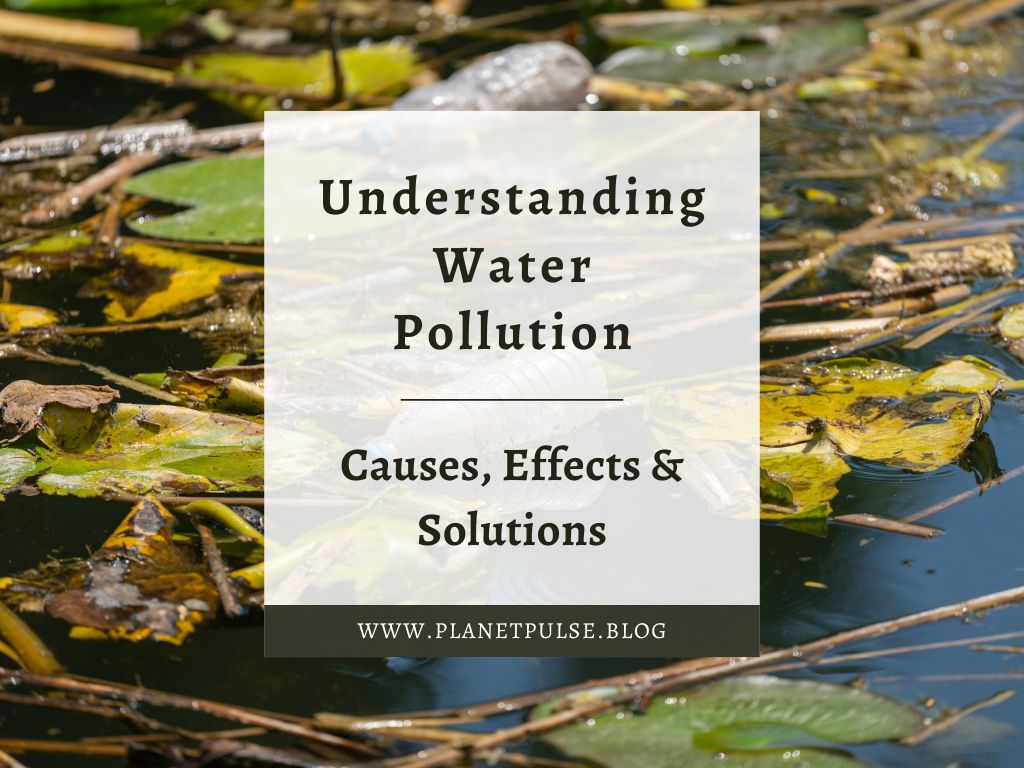
Water is one of the world’s most valuable resources as it maintains life, help crops grow, powers industries and maintain our ecosystems. However, despite its significance, water contamination remains one of the most significant environmental issues we face today. From, plastic waste in the oceans to harmful chemicals entering rivers, pollution endangers the quality and availability of water resources on which people and wildlife relies on.
Understanding water pollution is the first step toward safeguarding water resources and building a more sustainable future. This article explores what water pollution is, its causes, consequences as well as provide solutions.
In this Article
What is Water Pollution?
Water pollution happens when toxic substances contaminate water bodies, making them unsafe for humans, animals and the environment. These pollutants can enter rivers, lakes, oceans, streams and groundwater as a result of various human activities.
Pollution can occur from a single identifiable source, such as a factory discharge pipe, which is known as point source pollution. It can also come from a variety of sources, including agricultural fields and city streets, which is known as non-point source pollution.
Water pollution can alter the physical, chemical and biological aspects of the water. This means that water quality degrades as contamination accumulates, frequently having a severe impact on ecosystems and public health.
How Water Pollution Is Measured
Scientists and environmental agencies use a variety of methods to assess water quality. Common indicators include pH levels, dissolved oxygen, nutrient concentrations, bacterial counts and the presence of chemical contaminants.
Apart from this, regular monitoring also helps identify pollution sources and evaluate the effectiveness of environmental policies. Therefore, reliable data allows authorities to take action when pollution levels become dangerous.
Sources of Water Pollution
Human activities are responsible for most forms of water pollution. Several key sources contribute significantly to declining water quality worldwide. This includes:
- Industrial Waste: Industries often generate wastewater containing chemicals, heavy metals, oils and other hazardous substances. If these pollutants are not properly treated before disposal, they can contaminate nearby water bodies and cause long-term environmental damage.
- Agricultural Runoff: Modern farming uses fertilisers and pesticides to increase crop yields. However, during rainfall, excess chemicals can wash from fields into rivers and lakes causing water pollution in many regions.
- Sewage and Wastewater: Untreated or poorly treated sewage introduces harmful bacteria, viruses and nutrients into waterways. Population growth and inadequate sanitation infrastructure can worsen this problem, especially in densely populated areas.
- Plastic Pollution: Items such as bottles, bags, fishing gear and food packaging often end up in rivers and oceans. Over time, larger plastics break down into tiny particles known as microplastics, which can be harmful to aquatic life.
- Oil Spills: From ships, pipelines and offshore drilling operations can have devastating effects on marine ecosystems. Even small spills can harm wildlife and contaminate coastal habitats.
- Household Chemicals: Many products used in homes, including cleaning agents, paints, medicines and pesticides, can contribute to water pollution when disposed of incorrectly.
Types of Water Pollutants
Water pollution takes many forms and understanding different pollutant types helps explain their impacts. For instance:
Chemical Pollutants
Chemical pollutants include pesticides, fertilisers, industrial chemicals, detergents and heavy metals such as lead and mercury.
These substances can accumulate in water and harm both wildlife and humans.
Biological Pollutants
Biological contaminants include bacteria, viruses, parasites and other microorganisms that can cause diseases.
They commonly enter water through sewage and animal waste leading to water pollution.
Physical Pollutants
Physical pollutants affect the appearance and characteristics of water.
For examples sediment, litter and suspended particles that increase water turbidity and reduce light penetration.
Nutrient Pollution
Excess nutrients such as nitrogen and phosphorus can lead to a process called eutrophication.
This occurs when algae grow rapidly and eventually deplete oxygen levels in the water, harming fish and other organisms.
Environmental Impacts of Water Pollution
Water pollution can severely affect natural ecosystems and disrupt ecological balance. Aquatic organisms fish, amphibians and invertebrates may be killed directly by toxic substances or lose their habitats as water quality declines. Apart from this, pollutants can also accumulate in animals over time, affecting their reproduction and survival.
One of the most significant consequences of nutrient pollution is the formation of dead zones. These areas contain very low oxygen levels, making them unable to support most aquatic life.
Water pollution can also reduce biodiversity as sensitive species may disappear from polluted environments, leaving ecosystems less resilient and more vulnerable to future environmental changes.
Moreover, food chains are often disrupted as contaminants move from one organism to another. Also, predators can accumulate higher concentrations of pollutants by consuming contaminated prey, a process known as biomagnification.
Effects of Water Pollution on Human Health
Water pollution does not only impact the environment as human health can be directly affected by contaminated water supplies, which can lead to waterborne diseases. This is a major major concern in many parts of the world as contaminated drinking water can spread illnesses such as cholera, typhoid and dysentery.
Furthermore, exposure to toxic chemicals can cause both short-term and long-term health problems. For instance, heavy metals, industrial pollutants and agricultural chemicals may affect organs, nervous system function and overall wellbeing.
Children, older adults and people with weakened immune systems are often particularly vulnerable to the effects of polluted water. This means that ensuring access to clean water is critical public health priority.
Water Pollution Around the World
Water pollution is a global issue affecting countries at all stages of development. In developing nations, rapid urbanisation and limited wastewater treatment infrastructure can result in significant contamination of water resources. Access to safe drinking water remains a challenge for many communities.
Developed countries also face water pollution problems as industrial activity, agricultural runoff and plastic waste continue to impact rivers, lakes and coastal waters despite stricter environmental regulations. This means that managing water quality is significant as populations continue to grow and the demand for resources increases.
Solutions to Water Pollution
Reducing water pollution requires coordinated efforts from governments, industries, communities and individuals. For example, improved wastewater treatment systems can remove many contaminants before water is released back into the environment.
Moreover, industries can minimise pollution by adopting cleaner production methods and following environmental regulations. Sustainable farming practices, such as reducing fertiliser use and creating buffer zones near waterways, can also significantly decrease agricultural runoff.
Efforts to reduce plastic waste is also important such as recycling programmes, reusable products and responsible waste management, which can help prevent plastics from entering water bodies.
Environmental laws, public education campaigns and technological innovations all play important roles in improving water quality and protecting natural resources.
What Can Individuals Do
Everyone has a role to play in reducing water pollution. Simple actions such as disposing of chemicals properly, reducing single-use plastics, conserving water and participating in community clean-up initiatives can make a meaningful difference.
Consumers can also support environmentally responsible companies and advocate for stronger environmental protections.
Conclusion
Water pollution is one of the most significant environmental issues of our time as it affects ecosystems, threatens biodiversity, impacts human health and places enormous pressure on economies and communities.
By understanding the causes and consequences of water pollution, individuals and organisations can make informed decisions that help protect water resources. Through sustainable practices, stronger environmental protections and collective action, we can reduce pollution and ensure that clean, safe water remains available for future generations.


Leave a Reply