
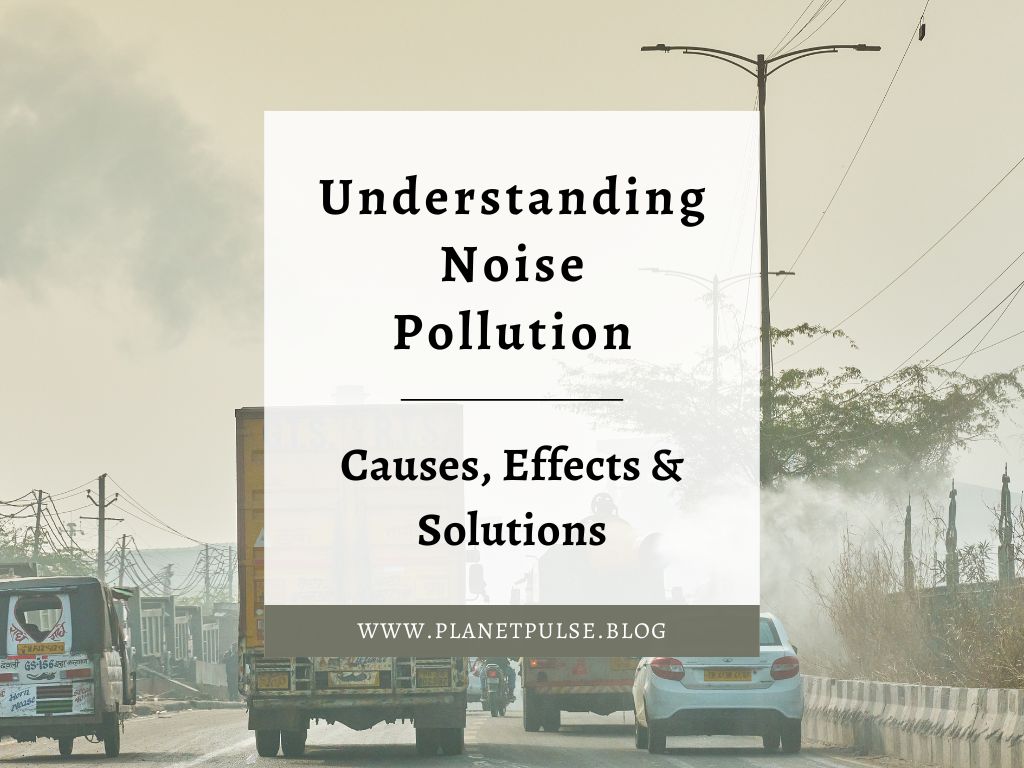
Noise pollution is one of the most overlooked environmental challenges we face today as is defined as undesired or excessive sound that disturbs regular activities and harms living beings. It has become more common as a result of rapid urbanisation, industrial growth and expanding transportation networks.
Unlike other forms of visible pollution, noise pollution is often invisible but is highly disruptive. From the constant hum of traffic to the roar of aircraft and construction machinery, excessive noise has become a daily challenge for millions of people worldwide. Beyond causing annoyance, prolonged exposure to high noise levels can have serious consequences for human health, productivity and the natural environment.
In this Article
What Is Noise Pollution?
Noise pollution refers to unwanted, excessive or disruptive sound that negatively affects human health, wildlife as well as the environment. Unlike pleasant or intentional sounds, noise pollution occurs when sound levels become high enough to interfere with daily activities such as sleeping, working, studying or communicating.
Measuring Noise Pollution
Noise is measured in decibels (dB), a unit that quantifies sound intensity. As decibel levels increase, sound becomes noticeably louder and potentially more harmful. Examples of the common Noise Level are:
- Whisper: Approximately 30 dB
- Normal Conversation: Around 60 dB
- Busy Traffic: Between 70 and 85 dB
- Rock Concert: 100 to 120 dB
- Jet Aircraft at Close Range: More than 130 dB
Modern monitoring systems use specialised sound level meters, sensors and computer software to track environmental noise levels. Many cities now deploy noise-monitoring networks to identify problem areas and support regulatory enforcement.
What Causes Noise Pollution?
Noise pollution is caused by a variety of human-made and natural sources. However, most environmental noise today is directly linked to economic development and urban lifestyles. For instance:
- Road Traffic & Transportation: Is one of the leading sources of noise pollution globally as cars, buses, motorcycles and heavy goods vehicles generate continuous noise through engines, exhaust systems and tyre-road interaction. Busy highways and city centres often experience elevated noise levels throughout the day and night.
- Air Traffic & Airports: Aircraft take-offs and landings produce intense levels of noise that affect nearby communities. Residents living near airports often experience disturbances that can interrupt sleep patterns and reduce overall quality of life.
- Industrial & Construction Activities: Factories, power plants, mining operations and manufacturing facilities generate significant amounts of noise. Apart from this, the use of heavy machinery such as bulldozers, cranes etc and jackhammers on construction sites add to this problem.
- Home Appliances: Such as vacuum cleaners, lawn mowers, air conditioning units and generators can contribute to localised noise pollution.
- Neighbourhood Noise: In densely populated neighbourhoods, loud music, parties and domestic activities can also become sources of disturbance.
- Entertainment & Urban Activities: Sporting events, concerts, bars, nightclubs and other recreational venues often generate high noise levels, especially in urban centres. While these activities play an important social role, unmanaged sound levels can negatively affect nearby residents.
Types of Noise Pollution
There are 4 main types of noise pollution:
Continuous Noise
Continuous noise is the noise that remains relatively constant over time.
For example, machinery operating in factories, air conditioning systems and highway traffic.
Because exposure is prolonged, continuous noise can lead to chronic stress and fatigue.
Intermittent or Variable Noise
Intermittent noise is noise that occurs at irregular intervals.
For example, construction work, railway crossings and aircraft operations.
These often create periods of intense noise followed by quieter intervals.
Impulsive or Impact Noise
Impulsive noise consists of sudden, short-lasting sounds.
For example, fireworks, explosions, hammering and gunshots.
These noises can be particularly startling and potentially harmful to hearing.
Low-frequency Noise
Low-frequency sounds travel long distances and can penetrate buildings more easily than higher frequencies.
For instance, industrial equipment, wind turbines and large ventilation systems may generate low-frequency noise that causes discomfort and annoyance.
Understanding these categories helps policymakers and urban planners design effective noise control strategies.
Effects of Noise Pollution on Human Health
Research has shown that excessive noise exposure can significantly affect both physical and mental health, Including:
- Hearing Loss: Long-term exposure to loud sounds can damage delicate structures within the inner ear. This means that workers in noisy industries and individuals frequently exposed to loud music are particularly at risk of developing hearing impairment.
- Sleep Disturbances: Noise during the night can interfere with sleep quality as traffic, aircraft and neighbourhood noise may cause repeated awakenings, making it difficult for individuals to achieve restorative sleep.
- Stress & Mental Health Impacts: Constant noise can trigger the body’s stress response. Increased stress hormones may contribute to anxiety, irritability and reduced emotional well-being. Over time, chronic exposure may have significant psychological effects.
- Cardiovascular Health Risks: Long-term noise exposure to higher risks of cardiovascular conditions as constant and loud noise can elevate blood pressure and increase stress levels may contribute to heart-related health concerns.
- Reduced Concentration and Productivity: Noise can impair cognitive performance by making it difficult to focus and process information. This means that students, office workers and professionals often experience reduced productivity in noisy environments.
The health effects of noise pollution highlight the importance of preventive measures and effective urban planning.
Environmental Impact of Noise Pollution
Noise pollution significantly affects wildlife as many animal species rely on sound for communication, navigation, mating and predator detection.
- Disruption of Wildlife Communication: Birds, whales, dolphins and other species use sound to communicate. Excessive environmental noise can interfere with these signals, making communication less effective.
- Changes in Animal Behaviour: Animals may alter their feeding, migration or breeding patterns in order to avoid noisy environments. These behavioural changes can affect survival and reproductive success.
- Impact on Reproduction: Noise disturbances can interfere with mating calls and other reproductive behaviours, which can lead to population declines in certain species.
- Threats to Biodiversity: As habitats become noisier, some species may abandon affected areas entirely. This can reduce biodiversity and disrupt ecological balance within ecosystems.
Protecting ecosystems from excessive noise is increasingly recognised as an important aspect of environmental conservation.
Strategies to Reduce Noise Pollution
Effective noise management requires cooperation between governments, businesses and individuals.
- Urban Planning & Zoning: Careful planning can separate residential areas from major sources of noise. Green spaces and buffer zones help reduce sound transmission between different land uses.
- Sound Barriers: Noise barriers along motorways and railways can significantly reduce sound exposure.
- Insulation: Buildings can also be equipped with soundproof windows, insulated walls and acoustic materials.
- Quieter Technologies: Advances in engineering have led to quieter vehicles, machinery, and industrial equipment. Encouraging the adoption of low-noise technologies benefits both communities and businesses.
- Public Awareness Campaigns: Educating people about the impacts of noise pollution encourages responsible behaviour and greater community cooperation.
- Government Regulations: Noise standards, operating-hour restrictions and environmental regulations help ensure that organisations minimise unnecessary noise emissions.
Combining these strategies can significantly reduce noise pollution and its impacts.
What Can Individuals Do
While large-scale policies are important, individuals can also play a role in reducing noise pollution:
- Reduce Household Noise: Using appliances responsibly, lowering television volumes and maintaining equipment can minimise noise generation at home.
- Choose Quieter Transportation: Walking, cycling and using electric vehicles can help reduce overall community noise levels while supporting environmental sustainability.
- Protect Your Hearing: Earplugs and hearing protection devices are valuable in noisy workplaces and during loud recreational activities such as concerts and sporting events.
- Support Community Initiatives: Residents can participate in local consultations, advocate for noise-control measures and support projects aimed at creating quieter neighbourhoods.
Future Challenges & Solutions
As urban populations continue to grow, managing noise pollution will become increasingly important.
- Urbanisation: More people living in cities means greater demand for transport, housing and infrastructure, all of which can contribute to increased noise levels.
- Smart City Technologies: Emerging technologies such as real-time noise monitoring systems, artificial intelligence and smart traffic management offer new opportunities to control urban noise.
- Sustainable Design Approaches: Architects and planners are increasingly incorporating acoustic considerations into building design and urban development projects. Green roofs, vegetation barriers and noise-resistant materials can help create quieter environments.
Future solutions will depend on innovation, collaboration and a commitment to sustainable development.
Conclusion
Noise pollution is a significant environmental and public health issue that affects millions of people worldwide. From transportation and industrial activities to urban development and household sources, excessive noise has become a common feature of modern life. The consequences extend far beyond simple annoyance, impacting human health, wildlife, productivity and ecosystem stability.
By understanding the causes and effects of noise pollution, communities can take effective steps to reduce its impact. Through effective regulations, improved urban planning, technological innovation and individual responsibility, it is possible to create quieter, healthier and more sustainable environments for future generations.




Leave a Reply