
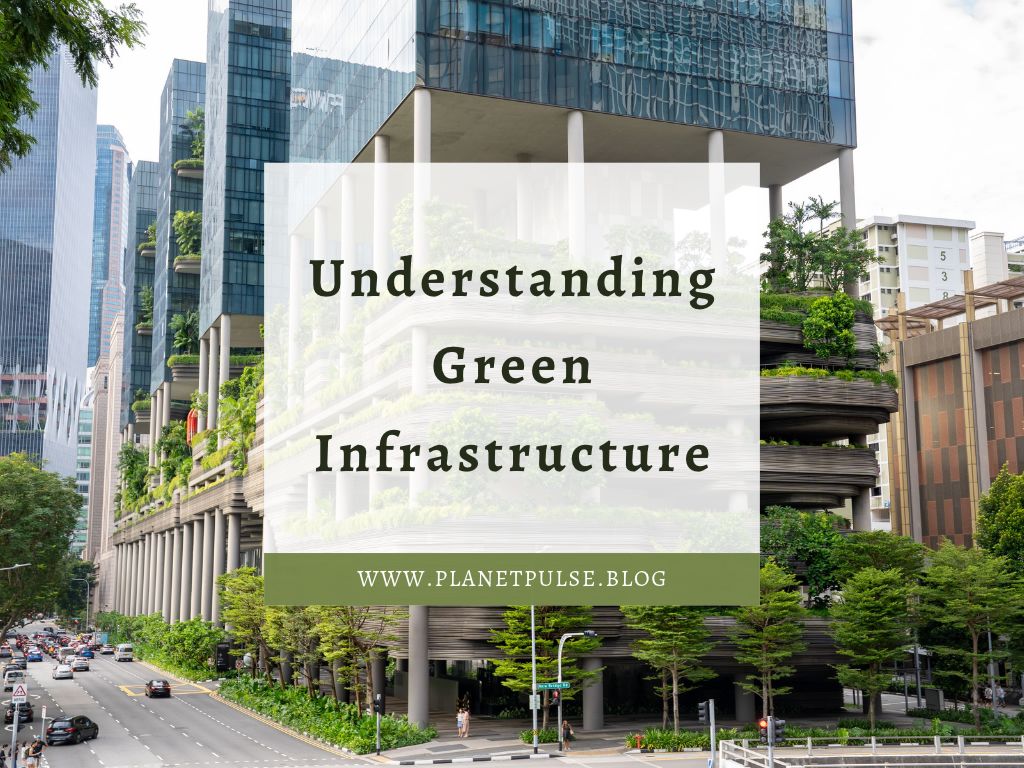
Green infrastructure is becoming an increasingly popular approach as cities continues to expand and environmental concerns increase. This is because communities are looking for long-term solutions to manage natural resources, minimise pollution and improve quality of life. Green infrastructure works with nature rather than against it and helps communities solve concerns such as flooding, air pollution, urban heat and biodiversity loss.
In this Article
- What Is Green Infrastructure?
- Key Principles of Green Infrastructure
- Types of Green Infrastructure
- Benefits of Green Infrastructure
- Challenges & Limitations of Green Infrastructure
- Green Infrastructure & Climate Change
- How Communities Can Support Green Infrastructure
- Future Trends in Green Infrastructure
- Conclusion
What Is Green Infrastructure?
Green infrastructure refers to a network of natural and semi-natural characteristics that offer environmental, social and economic benefits. Unlike traditional “grey” infrastructure, which is based on constructed systems like concrete drains, pipes and flood barriers, green infrastructure manages environmental concerns through vegetation, soil and natural processes.
Moreover, green infrastructure can be found in both urban and rural settings and includes parks, forests, wetlands, green roofs, rain gardens, street trees as well as other natural elements that support ecosystems while serving practical functions for communities.
The concept is based on the idea that natural systems can often deliver essential services more sustainably and cost-effectively than traditional infrastructure alone.
Key Principles of Green Infrastructure
Several principles guide the development and implementation of green infrastructure, including:
- Sustainability: Green infrastructure is designed to provide long-term environmental benefits without depleting natural resources. It promotes conservation while supporting community growth and development.
- Resilience: Natural systems help communities adapt to changing environmental conditions, including extreme weather events, flooding and rising temperatures.
- Ecosystem-Based Design: Green infrastructure works by enhancing natural processes rather than replacing them. For example, wetlands naturally filter pollutants and absorb excess water.
- Multi-Functional Land Use: Many green infrastructure projects serve multiple purposes. For example, a city park can provide recreation, wildlife habitat, temperature regulation and stormwater management at the same time.
Types of Green Infrastructure
There are many types of green infrastructure, each offering unique benefits. For instance:
- Parks and Gardens: Provide recreational opportunities while improving air quality and supporting local wildlife.
- Urban Forests: Trees planted throughout cities help absorb carbon dioxide, reduce air pollution and provide cooling shade during hot weather.
- Community Green Spaces: Create gathering places for residents, encouraging social interaction and promoting well-being.
- Rain Gardens: Areas designed to capture and absorb rainfall, reducing runoff and preventing water pollution.
- Bioswales: Direct and filter stormwater, helping to reduce flooding and remove contaminants before water enters local waterways.
- Constructed Wetlands: Artificially created wetlands that mimics natural wetland functions by filtering pollutants, storing excess water and creating wildlife habitats.
- Green Roofs: Are roofs covered with vegetation that helps insulate buildings, reduce energy use and absorb rainwater.
- Living Walls: Vertical gardens installed on building exteriors improve air quality, enhance aesthetics and contribute to urban cooling.
- Sustainable Landscaping: Native plants and water-efficient landscaping reduce maintenance requirements while supporting local ecosystems.
- Tree-Lined Streets: Improve air quality, provide shade and create more pleasant urban environments.
- Greenways and Trails: Networks of green corridors connect communities while encouraging walking and cycling.
- Vegetated Road Medians: Landscaped medians help manage stormwater and improve the visual appeal of transportation routes.
Benefits of Green Infrastructure
Green infrastructure offers several advantages, such as:
| Environmental Benefits | Economic Benefits | Social & Health Benefits |
|---|---|---|
| Improved Air Quality: Trees and vegetation capture pollutants and release oxygen, contributing to cleaner and healthier air. | Lower Infrastructure Costs: Natural solutions can reduce the need for expensive drainage systems and flood-control structures. | Improved Physical Health: Green spaces encourage outdoor exercise, walking, cycling and recreational activities. |
| Reduced Urban Heat Island Effect: Cities often experience higher temperatures due to extensive concrete and asphalt surfaces. Green spaces help cool urban environments through shade and evaporation. | Increased Property Value: Properties located near parks, greenways and other attractive green spaces often command higher market values. | Better Mental Well-Being: Research consistently shows that access to nature can reduce stress, improve mood, and support mental health. |
| Enhanced Biodiversity: Green infrastructure creates habitats for birds, insects and other wildlife, helping to maintain ecological balance. | Reduced Energy Consumption: Trees and green roofs help lower cooling costs by reducing indoor temperatures during warmer months. | Stronger Communities: Shared green spaces provide opportunities for social interaction and community engagement. |
| Better Stormwater Management: Natural landscapes absorb and slow down rainfall, reducing flooding risks and easing pressure on drainage systems. |
Challenges & Limitations of Green Infrastructure
Despite its advantages, green infrastructure also faces several challenges, which includes
- Initial Costs: Although green infrastructure often delivers long-term savings, planning and installation costs can be significant.
- Limited Space: Dense urban areas may have limited land available for large green infrastructure projects.
- Maintenance Requirements: Trees, gardens, wetlands and other green features require ongoing care to remain effective and attractive.
- Policy and Planning Barriers: Successful implementation often requires coordination among government agencies, developers, environmental organisations and local communities.
Green Infrastructure & Climate Change
Green infrastructure plays an essential role in climate adaptation and mitigation initiatives. This is because natural systems help absorb excess rainfall, lowering the risk of flooding caused by more frequent storms.
Moreover, vegetation cools urban areas during heatwaves, making communities more resistant to rising temperatures. Trees and forests also absorb carbon dioxide from the atmosphere, which helps to reduce greenhouse gas concentrations.
As climate change continues to have an influence on cities around the world, green infrastructure is becoming an increasingly important part of sustainable urban development.
How Communities Can Support Green Infrastructure
Individuals, businesses and governments all have an important role to play in expanding green infrastructure, such as:
- Local Governments: Can incorporate green infrastructure into planning policies, development regulations and public investment strategies.
- Businesses: Can install green roofs, improve landscaping and adopt sustainable site management practices.
- Residents: Can participate by planting trees, supporting local conservation projects, maintaining community gardens and advocating for green development initiatives.
Future Trends in Green Infrastructure
In the future, green infrastructure is expected to be more integrated with technology and urban planning. For instance, smart monitoring systems can monitor water quality, plant health and environmental performance.
Furthermore, cities are increasingly using nature-based solutions as part of their climate resilience strategy. Green roofs, living walls and sustainable landscaping are being built into new building designs rather than being added later.
This means that as public awareness rises, green infrastructure is likely to become a typical feature of modern urban planning.
Conclusion
Green infrastructure is an innovative approach that uses natural systems to address environmental, social and economic issues. These solutions, ranging from parks and wetlands to green roofs and urban trees, aid in stormwater management, air quality improvement, urban heat reduction, biodiversity support and community well-being enhancement.
As cities grow and climate-related concerns become more prevalent, investment in green infrastructure provides a realistic and long-term solution to creating healthier, more resilient communities for future generations.



Leave a Reply