
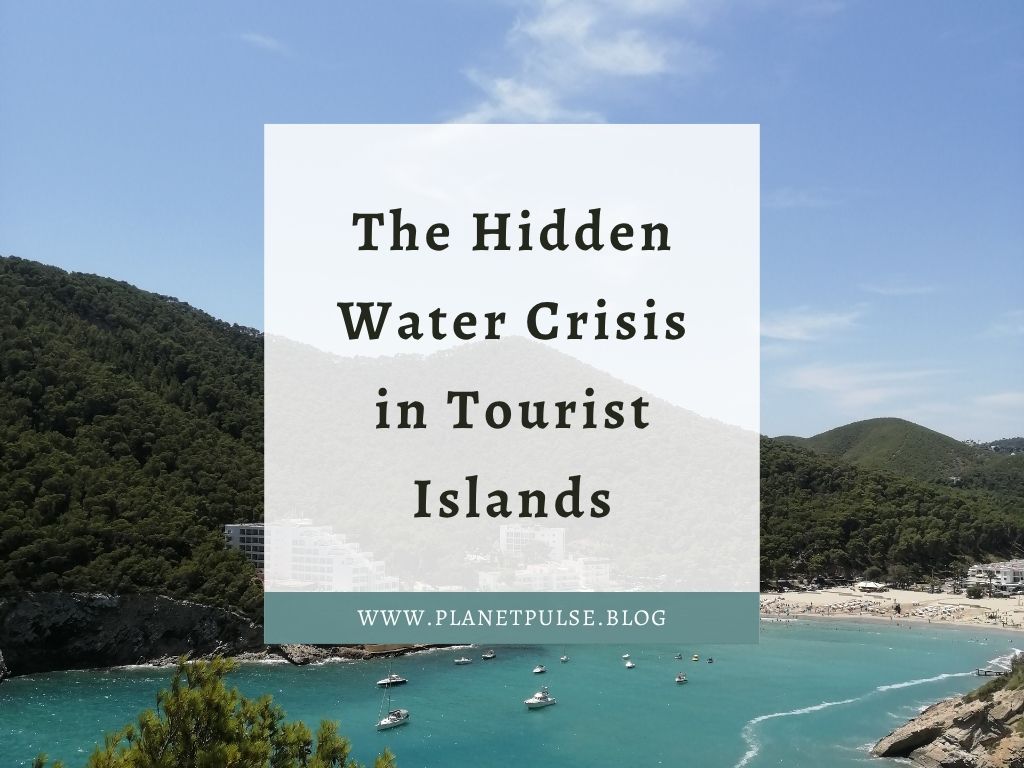
Tourist islands are marketed as a getaway from reality and a place to relax. However, behind this is a growing environmental problem, as many islands are running out of freshwater and the crisis is mostly undetected because tourism relies on keeping it hidden.
What appears to be paradise is frequently a fragile system strained by climate change, overconsumption and infrastructure unprepared for the millions of visitors who visit these islands each year.
In this Article
Why Islands Face a Different Kind of Water Scarcity
Island water scarcity is not just a seasonal inconvenience. It is a structural vulnerability shaped by geography and climate. Unlike coastal cities that can draw water from rivers or large aquifers, islands rely on small catchment areas and thin freshwater lenses. Rainfall is limited, evaporation is high and climate change is making replenishment increasingly unreliable.
Key reasons for water scarcity on islands include:
- Small catchment areas that store minimal freshwater
- Short rainy seasons that no longer refill aquifers
- High evaporation rates that reduce surface water
- Thin freshwater lenses easily contaminated by seawater
- Limited infrastructure unable to scale with tourism growth
This shows that, when tourism peaks during the driest months, the imbalance between supply and demand becomes impossible to ignore.
Water Stress Due to Tourism
Tourists consume significantly more water than local residents, particularly in luxury settings such as resorts, cruise terminals, golf courses and villas. Which requires massive amounts of freshwater to maintain pools, groomed gardens, laundry cycles and air-conditioned rooms.
Typical consumption patterns include:
- 700–1,000 litres each hotel guest every day.
- High-end villas use several thousand litres of water everyday.
- Golf courses use millions of gallons of water per week.
- Cruise ships rely extensively on island supplies during docking.
Water systems fail on islands where visitor numbers outnumber local population during high season.
Island’s Reliance on Desalination
To cope with rising water demand because of tourism, many islands rely on desalination. It appears to offer unlimited water, but the reality is more complex. Desalination is energy-intensive, expensive and vulnerable to climate extremes.
Some of the problems associated with desalination include:
- High energy demand, often from burning fossil fuels
- Operational vulnerability during heatwaves and storms
- Rising costs for governments and residents
- Brine discharge harming marine ecosystems
- Dependence on external fuel imports
This means that although, desalination creates the abundance of freshwater, it does not address unsustainable consumption.
Aquifer Salinisation
Groundwater reserves are depleting as aquifers collapse under pressure. Over-extraction allows seawater to seep in, resulting in salinisation. Once an aquifer becomes saline, recovery is really slow and sometimes impossible to achieve.
Some of the consequences of salinisation include:
- Permanent loss of freshwater sources
- Abandoned farmland due to saline irrigation water
- Tanker-delivered water during peak season
- Rationing for residents while hotels remain fully supplied
- Growing social tension between locals and tourism operators
Salinisation is one of the most severe and least visible aspects of island water scarcity.
Wastewater, Pollution & Ecological Decline
Water scarcity is not the only problem associated with tourist islands. Other issues such as outdated or overloaded wastewater systems, especially during peak tourism months results in untreated or partially treated wastewater enters coastal seas, containing chemicals from pools, sunscreens, cleaning products and agricultural runoff.
This often leads to:
- Coral reef degradation from nutrient pollution
- Declining fish stocks affecting local livelihoods
- Unsafe beaches due to bacterial contamination
- Loss of biodiversity in fragile marine ecosystems
Environmental decline threatens the very attractions that draw tourists in the first place. This can lead to loss of income for many locals that relies on tourism for their livelihood.
Islands on the Brink
The crisis is visible across the world, each island facing its own combination of pressures. For example:
1. Balearic Islands
Due to excessive groundwater extraction to suit the demands of their thriving tourism economy, these Mediterranean islands are experiencing serious aquifer depletion.
The excessive number of visitors, particularly during the busiest times of the year, puts a pressure on water supplies, stressing the environment and decreasing the amount of water available to residents and ecosystems.
2. Canary Island
The Canary Islands rely heavily on desalination plants to convert seawater into drinking water, which is energy-intensive. This is because, the Canary Islands have limited natural water resources as there are no rivers and groundwater is also limited.
This means that the growing tourism sector, agriculture industry as well as the population increase on the Islands drive the demand for potable water as natural rainfall is insufficient to meet this demand.
This means that they have to rely on desalination to meet its water needs. However, with rising energy costs, the cost of producing desalinated water increases, putting economic pressure on water supply systems and potentially limiting access to affordable water for residents and businesses.
3. Syros
This island experiences significant water shortages during the summer when population peaks with tourists. This is driven by limited freshwater resources, tourism-driven demand spikes and a reliance on energy-intensive desalination.
To meet the demand, Syros depends on water imports from the mainland or neighbouring islands, which is logistically complex and costly. This reliance also highlights the island’s vulnerability to supply disruptions.
4. Cat Ba Island
Untreated wastewater that is released into the ecosystem is the main cause of the island’s ecological demise. Both terrestrial and marine ecosystems suffer greatly from this pollution, upsetting the delicate balance required for their survival.
As a result, the natural resources that local populations depend on for tourism and fishing are undermined and biodiversity is threatened. In addition to having an impact on the environment, this presents serious obstacles to the livelihoods of individuals who rely on these resources.
5. Cabo Verde
Cabo Verde is made up of several islands, most of which are dry and receive very little rain. Water scarcity is a constant problem for the area because of its dry climate and erratic rainfall patterns.
Water scarcity has an impact on many aspects of life, such as human consumption, agricultural output and general economic growth. These circumstances make it difficult to maintain the population and the economy over time.
Despite their different situations, these islands have one thing in common, which is that their demand for water is increasing more quickly than the supply due to causes including tourism, population expansion and environmental degradation. This disparity threatens their sustainability and necessitates creative approaches to conservation and water management.
The Social Impacts of Water Scarcity
For local communities, the impacts of water scarcity are significant due to the increase in water tariffs, rationing becomes more common and frustration grows when residents see hotels operating without restrictions. Inequality becomes embedded in the water system.
Social impacts include:
- Higher water bills for households
- Reduced access during peak tourist months
- Public protests over unfair water allocation
- Loss of trust in local authorities
- Cultural resentment toward mass tourism
What Sustainable Island Tourism Looks Like
Solutions exist and many islands are beginning to adopt them. These approaches help reduce pressure on water systems while protecting ecosystems and supporting local communities. Strategies include:
- Rainwater harvesting to capture seasonal rainfall
- Greywater recycling in hotels and resorts
- Smart metering to detect leaks and manage consumption
- Renewable-powered desalination to reduce emissions
- Upgraded wastewater treatment to protect marine life
- Tourist caps during peak seasons
- Water-efficient landscaping using native plants
Conclusion
The hidden water crisis in tourist islands forces us to reconsider what paradise means as these tourist destinations are fragile ecosystems influenced by topography, climate and human decisions rather than limitless resources.
Many islands face societal instability and irreparable ecological harm in the absence of appropriate water management. However, islands can preserve their natural beauty, assist local communities and develop resilience in a changing world with careful planning.






Leave a Reply