
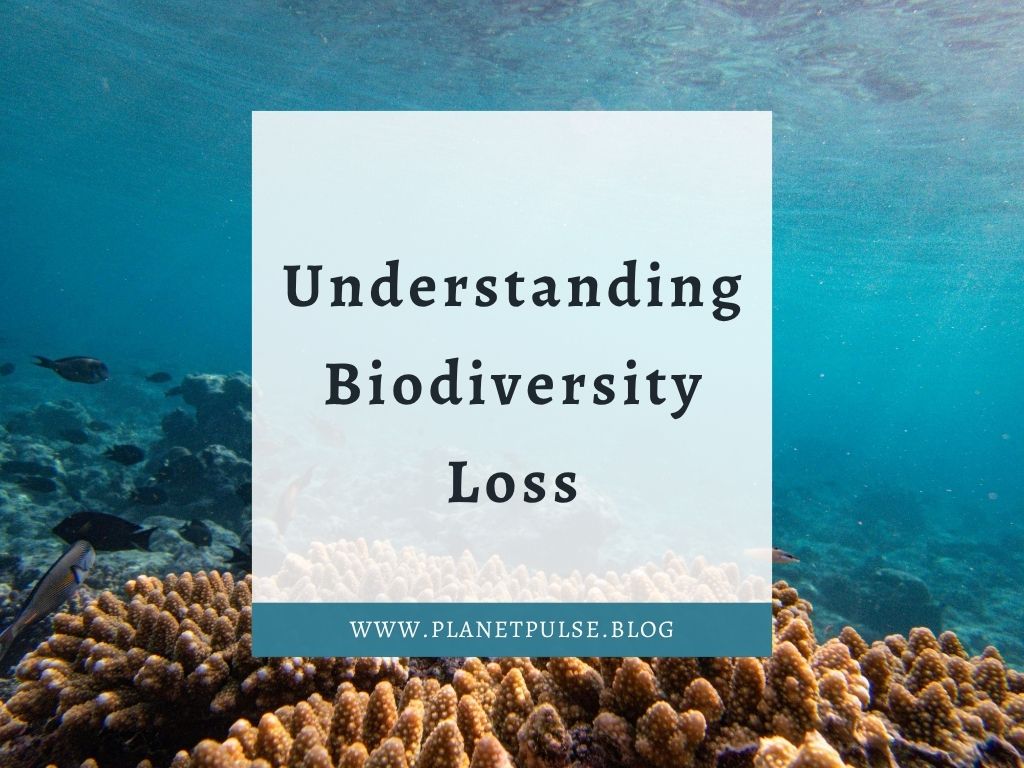
Biodiversity shapes the stability of ecosystems, supports food production, regulates the climate and supports human wellbeing in ways we rarely notice until something goes wrong. However, biodiversity is disappearing at a pace never seen before in human history. Scientists warn that human actions are causing the sixth mass extinction.
This article explores what biodiversity loss is, why it matters and how protecting nature is key to a resilient future.
In this Article
What Is Biodiversity Loss?
Biodiversity is the variety of life at three levels, including genetic diversity within species, species diversity within ecosystems and ecological diversity across landscapes. Biodiversity loss happens when any of these values declines. A species’ extinction, declining wildlife populations, habitat degradation or the simplification of ecosystems that formerly supported complex interactions can all be examples of this.
Indicators including species richness, population abundance, the Red List Index and the Living Planet Index are used by scientists to quantify the loss of biodiversity. There is a steady declining trend in these indicators. For instance, over the past 50 years, wildlife numbers have drastically decreased worldwide, indicating widespread ecological stress.
Because ecosystems depend on diversity to function, biodiversity loss is significant. Ecosystems become less robust, less productive and more prone to collapse when species go extinct. This has an impact on everything from food security to climate regulation, making biodiversity loss a social and economic problem in addition to an environmental one.
The Main Causes of Biodiversity Loss
Biodiversity loss is not caused by a single factor, but a variety of human-driven factors that interact and amplify one another, such as:
- Habitat Destruction: Grasslands are turned into cities, marshes are drained for construction and forests are removed for agriculture. Species lose the space necessary for survival as habitats become smaller and more fragmented.
- Climate Change: By changing species ranges, increasing the frequency of extreme weather events, and changing temperature patterns, climate change is hastening the loss of biodiversity. For instance, rising sea temperatures are causing worrisome rates of coral reef bleaching.
- Pollution: Chemical contamination, plastic waste and nutrient overloads that result in algae blooms and dead zones in freshwater and marine habitats.
- Over-exploitation: Such as overfishing, hunting and the trafficking in wildlife are examples of overexploitation that pushes animals beyond their capacity to recover. For example, many fish stocks are harvested more quickly than they can procreate.
- Invasive Species: Global trade and travel have led to the introduction of invasive species that disrupt food webs, outcompete native species and transmit disease. Freshwater habitats and islands are especially under risk.
Consequences of Biodiversity Loss
Biodiversity loss affects both human and environmental systems. For instance ecosystems become less resilient to shocks and therefore become less stable. This raises the possibility of ecological collapse, such as forests becoming degraded shrublands or coral reefs becoming systems dominated by algae.
In addition, the food system is also affected as the production of fruits, vegetables and nuts is in danger due to the decline of pollinators like bees and butterflies. Additionally, as crop diversity declines, agriculture becomes more vulnerable to diseases, pests and extreme weather.
As forests, peatlands, and oceans lose their capacity to store carbon, climate regulation weakens. As a result, there is a feedback loop whereby the loss of biodiversity accelerates climate change, which accelerates the loss of biodiversity.
Apart from this, biodiversity loss has an economic impact on tourism, healthcare, fisheries and livelihoods. While pharmaceutical research depends on a variety of species to develop new medications, many communities rely on natural resources for their income.
Case Studies That Reveal the Crisis
The decline of coral reefs shows how pollution and climate change work together to destroy ecosystems. The frequency and severity of coral bleaching episodes have increased, hurting coastal people who depend on reefs for food and tourism and decreasing biodiversity.
Deforestation for soy farming and cattle ranching in the Amazon rainforest is causing species extinction and releasing enormous amounts of carbon into the atmosphere. There are worldwide repercussions if this biodiversity hotspot disappears.
Another important issue is the loss of pollinators. Pesticides, habitat degradation and illness are all contributing to the disappearance of bees, butterflies and other pollinators. The health of ecosystems and the world’s food supply are under risk due to their decrease.
Some of the fastest declines in biodiversity are occurring in freshwater habitats. Fish and amphibian populations in rivers and lakes are drastically reduced as a result of pollution, damming, water extraction and invasive species.
Global Response and Frameworks
Governments and organisations worldwide are attempting to combat the biodiversity loss through international accords and conservation tactics. The Convention on Biological Diversity (CBD) provides a global framework for protecting ecosystems, species and genetic diversity.
Adopted in 2022, the Kunming-Montreal Global Biodiversity Framework lays forth challenging goals like removing detrimental subsidies, recovering degraded ecosystems and safeguarding 30% of land and sea by 2030. Within this decade, these objectives seek to stop and reverse the loss of biodiversity.
Marine reserves, national parks and protected areas are essential for preserving ecosystems. Reforestation, wetland recovery and peatland restoration are examples of restoration initiatives that aid in the reconstruction of harmed ecosystems.
Moreover, global conservation initiatives revolve around indigenous communities. Long-term success depends on empowering these people, whose traditional knowledge and stewardship practices have protected biodiversity for generations.
Solutions and What Works
Systemic change is necessary to address the loss of biodiversity. Restoring wetlands and forests are examples of nature-based solutions that help mitigate climate change and preserve biodiversity. Pollinators are supported, soil health is preserved and pesticide use is decreased in sustainable agriculture.
Rewilding initiatives allow ecosystems to organically recover by reintroducing keystone species. Examples include the reintroduction of beavers to some regions of the UK and wolves to Yellowstone, both of which have altered landscapes and restored ecological balance.
By creating systems and products that extend the life of materials, circular economy principles reduce waste, pollution and resource exploitation. This promotes sustainable growth and lessens the strain on ecosystems.
Apart from this, corporate accountability, policy reform and community-led conservation are also essential. Conservation results greatly improve when locals participate in decision-making.
How Can Individuals Help
Even if a single action might not seem like much, when taken as a whole, they have an impact. Biodiversity protection can be achieved by supporting local animals through native planting, cutting waste, selecting sustainable products and taking part in citizen science initiatives. Impact is further increased by supporting conservation organisations and advocating for strict environmental regulations.
Conclusion
Biodiversity loss is one of the most urgent environmental issues of our time as it threatens our planet’s resilience, food systems’ security and ecosystems’ stability. However, the answers are accessible. We can preserve the natural environment that supports us by understanding the causes of biodiversity loss and acting at every level, from individual decisions to international policy. The choices we make now will determine biodiversity’s future, and there is still time to take significant action.





Leave a Reply