
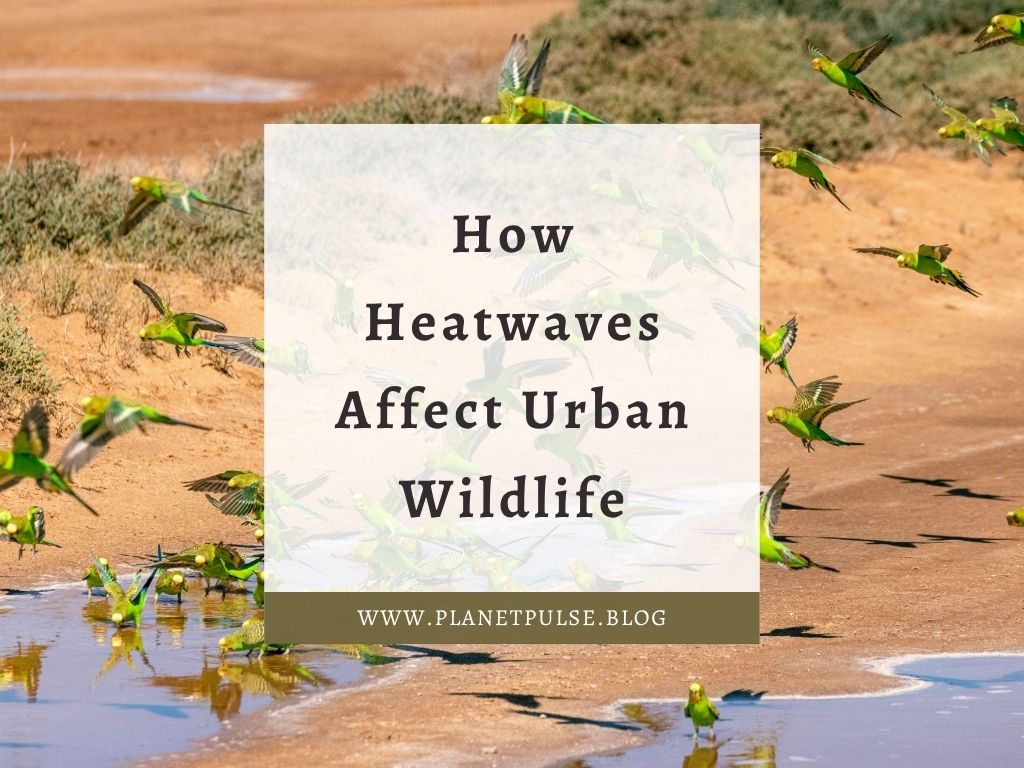
Heatwaves are no longer rare events for the UK. For instance, after the country exceeded 40°C for the first time in 2022, temperatures have continued to break records, with 2025 becoming the UK’s warmest summer on record and June 2026 marking the hottest June day ever recorded . These extremes are not only uncomfortable for people but have long term effects on urban wildlife.
Cities intensify heat with concrete, asphalt and less vegetation, resulting in strong urban heat islands. Wildlife, which is already dealing with habitat loss, pollution and limited water supplies, now also suffers extreme heat.
Environmental consultants warn that heatwaves are putting additional strain on ecosystems already weakened by habitat loss, with UK species abundance down 19% since 1970. Understanding how heatwaves impact urban animals is critical for conservation, climate adaption and everyday action.
In this Article
Urban Wildlife’s Vulnerability to Heatwaves
Urban surroundings trap heat, resulting in microclimates that are several degrees warmer than adjacent rural areas. This means that wildlife in these areas frequently has fewer refuges, less shade and limited access to water. Heatwaves further worsens these issues, forcing animals into survival mode.
According to experts, extreme heat impacts wildlife directly through dehydration, heat stress and reduced feeding time, as well as indirectly by affecting the state of ecosystems, particularly marshes, rivers, ponds and grasslands that are already under strain.
Birds’ Vulnerability to Heatwaves
Birds are among the most visibly affected species during heatwaves. This is because they have higher core body temperatures than other animals and lack sweat glands. As a result, they rely on panting and throat fluttering to cool down.
This evaporative cooling rapidly depletes water reserves during extreme heat that can lead to:
- Dehydration & Overheating: During heatwaves, birds lose significant water through respiration and droppings. When natural water sources dry up, rehydration becomes difficult, leaving birds vulnerable to overheating and feather damage that affects flight and insulation.
- Food Scarcity: Heatwaves dry out soil, reducing insect birds such as blackbirds, robins and swifts. The birds struggle to find food, disrupting intricate food chains and reducing survival rates.
- Nesting Risks: Young birds in nests are particularly vulnerable during heatwaves as overheating can cause chicks to fall from nests while trying to escape rising temperatures. Species that nest under eaves or in exposed cavities face heightened risk.
Mammals’ Vulnerability to Heatwaves
Small mammals like shrews, voles, and mice are particularly vulnerable to rising temperatures because of their high metabolisms, which require them to feed frequently. For example, shrews require food every 2-3 hours to survive. During heatwaves, they become easily dehydrated and struggle to find food as vegetation dries and insect populations decline.
Recorders have reported finding 5–10 dead shrews per day on hot tarmac paths during July, which highlights how lethal heatwaves can be for these species.
Moreover, small mammals are important for the health of our ecosystem because:
- They aerate soil, which improves drainage and seed germination.
- They spread seeds, spores and pollen.
- They are vital prey for owls, foxes and birds of prey.
Heatwave‑driven declines therefore have cascading impacts that last months or even years.
In contrast, large mammals, such as foxes, badgers and deer are evolved to cooler temperatures, suffer heat stress during extended hot periods. For example, hot pavements can burn paws and fragmented urban environments make it difficult to locate shade and drink.
As a result, they may reduce daytime activity to avoid overheating, which limits feeding time and reduces breeding success.
Aquatic & Amphibian Vulnerability to Heatwaves
Heatwaves also affect freshwater ecosystems as ponds, rivers and streams can dry up completely, putting aquatic life at risk. This is because warmer water holds less dissolved oxygen, creating stressful conditions for fish and invertebrates.
- Tadpole Development & Amphibian Survival: Heatwaves increase tadpole development but if ponds evaporate before metamorphosis, young frogs and toads die. Amphibians also struggle to find the cold, moist shelter they need, especially in paved urban settings.
- Fish: During extreme heat, fish gather around aquatic plants where oxygen levels are highest. In 2023, high temperatures caused oxygen crashes in rivers such as the River Cam, leading to fish deaths and emergency aeration by the Environment Agency.
Drought Stress & Food Chain Disruption
Heatwaves disturb plant lifecycles, causing a chain reaction across urban ecosystems, such as:
- Early Fruiting & Premature Drop: In 2026, ripe blackberries were recorded more than a month earlier than average, with fruit observed on 28 June. Heatwaves cause fruit to ripen early or drop prematurely as plants conserve water, reducing food availability for birds and mammals later in the season.
- Vegetation Stress & Wildfire Risk: Dry vegetation increases wildfire risk, especially in urban areas. Recovery can take years where fires damage soil, seed banks and established vegetation.
- Shortened Flowering Periods: Early-season heat shortens flowering periods, reducing food for pollinators and limiting autumn fruit production. This affects species that rely on berries and seeds to survive winter.
Long-Term Ecological Consequences
Heatwaves are not isolated events as they interact with long-term climate trends. Experts warn that hotter temperatures are changing where animals and plants can live, altering breeding cycles and reducing prey availability for species higher up the food chain, such as kingfishers and herons.
This means that repeated heatwaves can lead to:
- Reduce chick survival
- Disrupt breeding cycles
- Increase biodiversity loss
- Push ecosystems toward instability
Some species may adapt or even thrive, but these shifts can destabilise ecological balance.
How to Help Urban Wildlife During Heatwaves
Small actions can make a meaningful difference. For instance:
- Provide Water: Place shallow dishes or bird baths in shaded areas and refresh them daily.
- Create Shade: Use plant pots, shrubs or temporary shelters to create cool refuges.
- Avoid Disturbing Nests: Do not trim hedges or disturb nesting sites during heatwaves.
- Support Urban Greening: Plant trees, support community gardens and advocate for green infrastructure to reduce heat island effects.
- Record Wildlife: Citizen science projects help track heatwave impacts, especially for small mammals and amphibians.
Conclusion
Heatwaves intensify existing pressures on urban wildlife, from dehydration and food scarcity to habitat degradation and long-term population decline. As UK summers become hotter and more unpredictable, understanding these impacts is essential for conservation and climate adaptation.





Leave a Reply