
In this Article
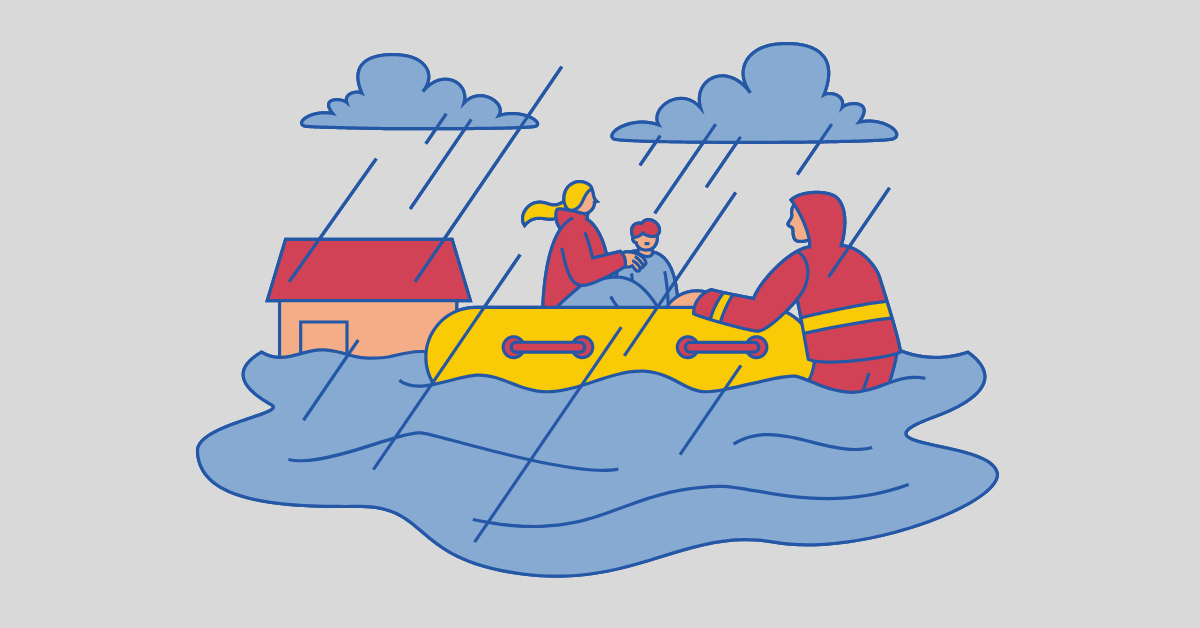
Flash flooding differs significantly from traditional floods. It occurs suddenly and is triggered by heavy rainfall over a short period of time, usually within the first three to six hours of the rainfall. Unlike regular floods, which results from rivers or streams overflowing, flash flooding occurs swiftly leaving no time for the water to drain in urban areas due to the paved surfaces.
This rapid onset often leaves little time for warning, leading to more extensive damage. The European 2021 flash flooding is one example of how devastating flash floods can be.
Event Timeline

Flash Floods Impacts and Government Response
| Country/ Region | Impacts | Government Response |
| Germany | 196 reported deaths Approximately 749 injured 170 remained missing Over 40,000 residents left without access to clean drinking water, electricity, and gas. | Climate Change Acknowledgement by president, Frank-Walter Steinmeier. Immediate Aid Approval of 400 million euros to assist people in coping with the aftermath of the disaster. Reconstruction Plans initiated to rebuild impacted areas. |
| Belgium | Population: 200,000 in Liege faced significant challenges making evacuation difficult. 42 reported deaths. 1000+ reported missing search efforts hindered because of damaged phone networks. | Response Teams to provide aid and support affected areas. Public Assistance: individuals were encouraged to provide assistance to those in need. |
| Netherlands | Flooding in Limburg due to high precipitation No fatalities reported. 433 household left without power. Food shortages. | Mass Evacuation in Limburg with the deployment of 300 military personnel. |
Why Are Flash Floods Dangerous?
Flash floods, characterised by their short duration and localized occurrence, present unique dangers:
- Sudden and Unpredictable: Flash floods are notorious for their abrupt onset. Within mere hours of heavy rainfall, these deluges can turn placid streams into raging torrents. Their rapid development means traditional warning systems often fall short.
- Devastating Impacts: The devastation wrought by flash floods extends to both communities and the environment. They pose a severe threat to human life, wreak havoc on ecosystems and can obliterate vital infrastructure.
- Limited Warning Time: Due to their swift nature, flash floods often strike before warnings can be issued, leaving us with little time to react.
- Poor Understanding: Flash floods remain inadequately understood and documented, hindering our ability to mitigate their effects.
- Economic Toll: Flash floods exact a hefty economic toll. Between 1950 and 2006, Europe witnessed 40% of flood-related casualties, with an estimated annual income loss exceeding €40 billion.
- Rising Threat: As societies continue to develop socially and economically, flash floods pose an ever-increasing threat, exerting pressure on land use and infrastructure.
Flash Floods Predictions
Predicting flash floods is a challenging endeavour due to several factors:
- Spatial and Temporal Scales: Flash floods occur on small spatial and temporal scales, making them difficult to monitor effectively using conventional rain and discharge measurement networks.
- Rare Local Events: Flash floods are relatively rare at the local scale, further complicating observation and study in experimental catchments.
Climate Change and Flash Floods
Climate change encompasses long-term environmental shifts, including a significant rise in global temperatures over the past century. Projections indicate a further increase of 1.8 to 4°C in the 21st century.
Impact on Extreme Weather
The rise in temperature, primarily driven by greenhouse gas emissions, has ushered in a host of challenges, including a surge in extreme weather events. European countries have experienced weather patterns previously unseen, complicating disaster preparedness and response.
Intensification of Hydrological Cycle
Evidence points to an intensifying hydrological cycle due to global warming, contributing to the increased frequency and severity of flash floods. This intensification results from changes in climate, storm pattern and river discharge conditions.
Conclusion
In conclusion, our exploration into flash floods and their connection to climate change reveals a pressing concern. Flash floods, characterised by their sudden intensity, pose unique challenges for prediction and mitigation due to their small-scale and rapid onset.
The European countries we’ve discussed face unprecedented weather patterns, straining disaster preparedness and response. Climate change’s most alarming consequence is the intensification of the hydrological cycle, leading to more frequent and severe flash floods. This intensification stems from climate shifts, altered storm patterns, and river discharge changes, amplifying the risks.
It’s clear that flash floods are not isolated incidents but part of a larger environmental narrative. Climate change, driven by greenhouse gas emissions, makes flash floods a recurrent and dangerous threat.
To address this challenge, we need improved prediction methods, enhanced emergency management, and a deeper understanding of these events. Crucially, we must tackle the root cause by reducing emissions, adapting to changing weather, and building resilience to protect our communities from flash floods in our rapidly changing world.




Leave a Reply