
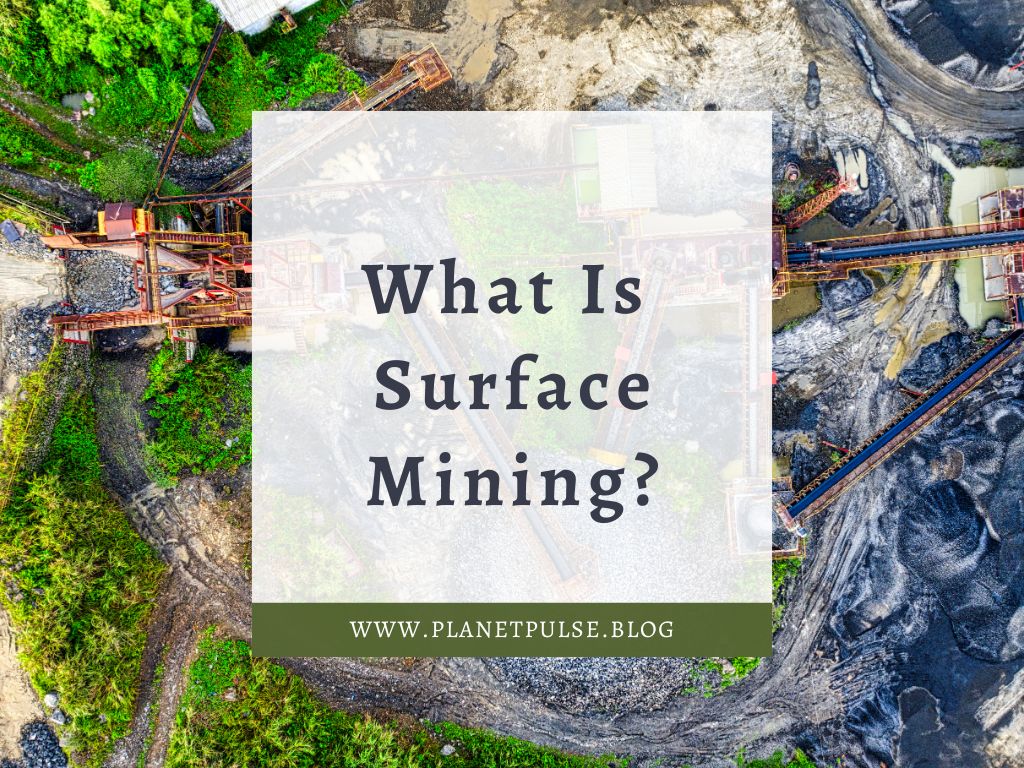
Surface mining is one of the most popular techniques for extracting minerals worldwide. It is crucial to global supply chains, energy generation and infrastructure development because many vital minerals, including coal, metals, aggregates and building materials, are located in shallow layers.
Surface mining is usually less expensive, simpler to run and safer for employees than underground mining. But it also poses serious environmental problems, making reclamation and proper management essential. This article explores what surface mining is, how it works, the different types, the equipment involved and the environmental and economic implications of this extraction method.
In this Article
- What Is Surface Mining and Why It Matters
- How Surface Mining Works
- Types of Surface Mining
- Equipment Used in Surface Mining
- Environmental Impacts of Surface Mining
- Safety Considerations in Surface Mining
- Reclamation and Restoration
- Economic Importance of Surface Mining
- Future Trends in Surface Mining
- Conclusion
What Is Surface Mining and Why It Matters
Surface mining is the process of extracting minerals by removing the layers of rock and soil, that covers a mineral deposit. It is used when deposits are found in the upper few hundred meters of the Earth’s crust, which is relatively close to the surface.
This approach is selected for several reasons, such as:
- It makes it possible to extract materials on a huge scale.
- It is less expensive than underground mining.
- It enables the use of heavy machinery for effective production.
- It is much safer than other types of mining because workers stay above ground.
Some of the common materials extracted through surface mining includes coal, iron ore, copper, bauxite, limestone, sand, gravel and other industrial minerals. These resources are essential for construction, manufacturing, energy generation and everyday consumer products.
How Surface Mining Works
Although the exact process varies depending on the deposit and mining method, most surface mining operations follow a similar sequence. For instance:
- Site Identification and Geological Surveys: Geologists conduct mapping, drilling and sampling to determine the size, depth and quality of the mineral deposit. Environmental assessments are also carried out to understand potential impacts.
- Land Clearing and Overburden Removal: Vegetation, topsoil and rock layers are removed using bulldozers, excavators and sometimes controlled blasting. Topsoil is often stored for later use in reclamation.
- Extraction of the Mineral Deposit: Once the overburden is cleared, miners use heavy machinery to extract the mineral. Depending on the method used, this may involve digging, drilling, blasting or dredging.
- Processing and Waste Management: Materials are crushed, screened or washed on site. Waste rock and tailings are stored in designated areas, while valuable minerals are transported for further processing.
- Transport and Logistics: Haul trucks, conveyors and rail systems move the extracted materials to processing plants or distribution centres.
This process continues in cycles until the deposit is depleted or no longer economically viable.
Types of surface mining
Surface mining is not a single technique but a group of methods adapted to different geological conditions. The most common types of surface mining include:


Equipment Used in Surface Mining
Surface mining relies on powerful machinery designed to move large volumes of earth and rock. Some of the most common equipment used in surface mining includes:
- Excavators: Used for digging and loading materials.
- Draglines: Massive machines that remove overburden in large open‑pit or strip mines.
- Bulldozers: To push soil, rock and debris to clear the ground efficiently.
- Haul Trucks: Transport extracted materials across the site.
- Drills and Blasting Tools: Are used to break up hard rock layers.
- Crushers and Conveyors: Process and move materials efficiently.
These machines enable high‑volume production and continuous operation, making surface mining one of the most productive extraction methods.
Environmental Impacts of Surface Mining
Ecosystems and landscapes are significantly changed by surface mining. While these effects can vary depending on the method and location, most of them share common environmental issues. For example:
- Land Disturbance and Habitat Loss: Removing vegetation and soil disrupts habitats and can lead to long‑term ecological changes. This means that large open pits and waste piles reshape the natural landscape.
- Soil Erosion and Sedimentation: Exposed soil is vulnerable to erosion, which can cause sediment to enter rivers and streams, affecting water quality and aquatic life.
- Water Pollution: Runoff from mine sites may contain heavy metals, chemicals or acidic water (acid mine drainage). This can contaminate groundwater and surface water systems.
- Air Pollution: Dust from blasting, excavation and transport can affect air quality. Also, diesel emissions from machinery also contribute to greenhouse gases.
- Noise and Vibration: Blasting and heavy equipment generate noise that can affect nearby communities and wildlife.
- Visual Impacts: Large pits, waste piles and altered terrain can significantly change the appearance of natural landscapes, making an area visually unappealing.
Safety Considerations in Surface Mining
Although surface mining is typically safer than underground mining, there are always concerns that need to be carefully considered. Some of the typical risks consist of:
- Landslides and slope failures.
- Accidents involving blasting.
- Heavy machinery collisions.
- Respiratory problems and dust inhalation.
- Hearing loss caused by noise.
Regulatory frameworks such as the Mine Safety and Health Administration (MSHA) in the United States or the Health and Safety Executive (HSE) in the UK set strict guidelines to protect workers.
Reclamation and Restoration
Reclamation is the process of returning mined land to a stable, productive or natural state once mining is finished. According to current mining rules, companies must prepare for reclamation before operations even start. Typical reclamation tasks consist of:
- Soil replacement and regrading
- Replanting plants
- Restoring the habitats of wildlife
- Handling tainted water
- Keeping an eye on long-term environmental recovery
Some former mine sites have been successfully converted into wetlands, parks, farmland or locations for renewable energy.
Economic Importance of Surface Mining
Global economies depend heavily on surface mining. It supplies raw materials for technology, manufacturing, building and energy generation.
Some of the key economic benefits of surface mining includes:
- Reduced extraction expenses in contrast to underground mining.
- High rates of production.
- generation of jobs in mining areas.
- Support for sectors like infrastructure development, cement production and steelmaking.
The primary distinctions between surface and underground mining are outlined in the table below:
| Feature | Surface Mining | Underground Mining |
|---|---|---|
| Depth of Deposits | Shallow | Deep |
| Cost | Lower | Higher |
| Safety | Generally safer | Higher risk |
| Production Rate | High | Moderate |
| Environmental Impact | Higher at surface | Lower surface impact |
| Machinery | Large, heavy equipment | Specialised underground equipment |
Future Trends in Surface Mining
The mining industry is undergoing rapid technological change. Several trends are shaping the future of surface mining:
- Automation and Remote Operation: Driverless haul trucks, autonomous drills and remote‑controlled machinery improve safety and efficiency.
- Drone Surveying and GIS Integration: Drones provide real‑time mapping and monitoring, while GIS tools help optimise mine planning and environmental management.
- Sustainable Mining Technologies: Cleaner fuels, electric machinery and improved waste management reduce environmental impacts.
- Stricter Environmental Regulations: Governments are increasingly requiring companies to minimise emissions, protect biodiversity and ensure responsible land restoration.
- Circular Economy Approaches: As recycling technologies improve, demand for newly mined materials may decrease, pushing the industry toward more sustainable extraction practices.
Conclusion
Surface mining is an essential resource extraction technique that sustains modern infrastructure and international enterprises. Particularly for shallow mineral deposits, it provides operating efficiency, high production rates and financial benefits. But it also poses serious environmental problems that call for careful planning, regulation and reclamation.






Leave a Reply