-
 Continue reading →: 5 Innovations Cleaning Up Our Rivers
Rivers are the lifelines of our planet. They provide drinking water, support agriculture, transport goods, and sustain countless ecosystems. Yet, many of the world’s rivers are filled with plastic, sewage, and industrial waste. According to the UN, more than 80% of wastewater flows untreated into rivers and seas, endangering both…
-
 Continue reading →: World Rivers Day 2025
Rivers are often described as the lifelines of our planet. They shape landscapes, nurture ecosystems, and sustain human civilisations. On September 28, 2025, communities around the world will once again gather to celebrate World Rivers Day. This annual event highlights the value of rivers, raises awareness of the threats they…
-
 Continue reading →: World Environmental Health Day 2025
September 26 marks World Environmental Health Day, a global reminder that the state of our planet and the state of our health are inseparable. The theme for 2025, “Clean Air, Healthy People,” highlights the vital role of air quality in safeguarding public health and how climate change threatens to undermine…
-
 Continue reading →: Ozone Depletion and Climate Change: A Complex Connection
For decades, the world has faced two of the most pressing environmental challenges: ozone depletion and climate change. While these crises are often discussed separately as one is framed around the “ozone hole” and harmful ultraviolet (UV) radiation, and the other around rising global temperatures and extreme weather. Yet, they…
-
 Continue reading →: World Car-Free Day 2025
Every year, on 22 September, the world pauses to imagine what our cities could be like without the roar of engines, the haze of exhausts, or the endless traffic jams. World Car-Free Day 2025 invites us to do more than imagine. It challenges us to act, even if only for…
-
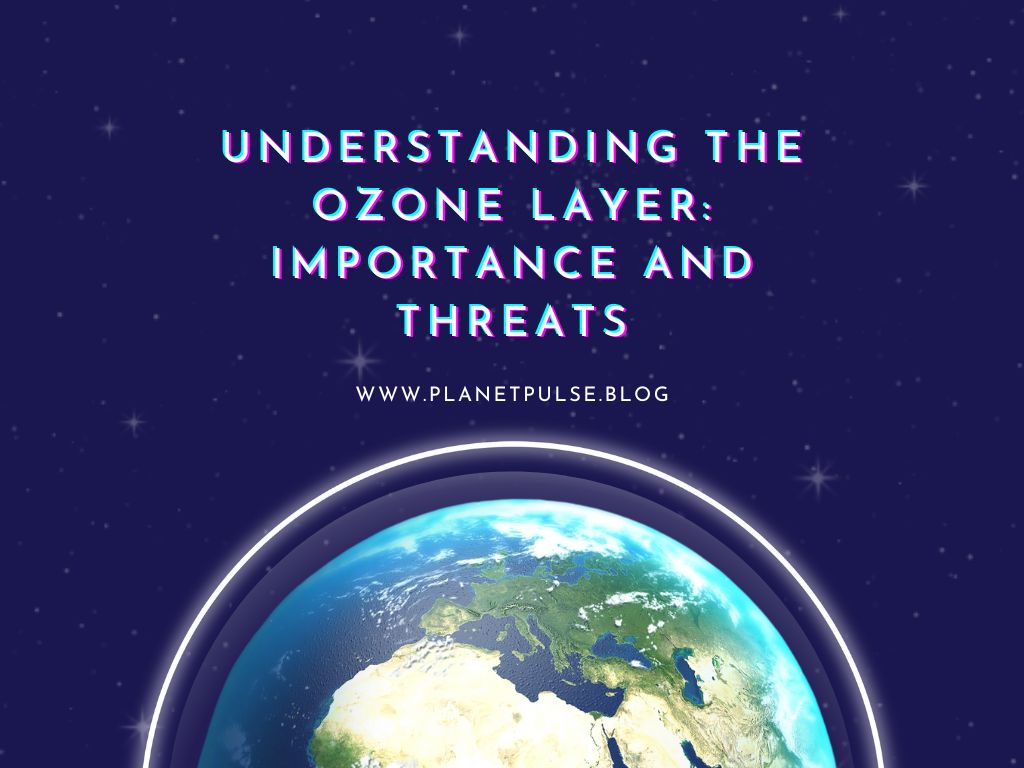 Continue reading →: Understanding the Ozone Layer: Importance and Threats
In the mid-1980s, scientists revealed something astonishing: a massive thinning of Earth’s protective ozone layer directly over Antarctica. This “ozone hole” wasn’t a literal hole, but it was big enough to alarm the world. Why did it form in such a remote place? Why Antarctica, and not over busy, industrial…
🎉 Get a FREE Climate Change Infographic printable when you join our newsletter!
Planet Pulse
Latest Posts
Hello,
Welcome to Planet Pulse, where you will discover the wonders of geography and environmental management. Whether you’re a geography enthusiast, student, or eco-conscious individual, join us to explore diverse ecosystems and make a positive impact.
Let’s connect
Subscribe
Get a FREE Climate Change Infographic when you join our Newsletter!
Recent posts

Support Us
Love this site? A small gift can go a long way in keeping it online.
Advertisements
 Planet Pulse