-
 Continue reading →: Sustainable Decluttering: Handling Unwanted Gifts Wisely
Birthdays, holidays, and celebrations invariably involve piles of packaging and unwanted gifts. Even while these products frequently have good intentions, they can have a big negative influence on the environment. Sustainable decluttering provides a thoughtful, environmentally responsible way to handle these items rather than letting them collect dust or end…
-
 Continue reading →: Top Environmental Issues to Watch in 2026
In 2026, the environmental situation is more complicated, interconnected, and urgent than ever. As global collaboration is changing due to geopolitical tensions, the effects of climate change are intensifying, and technical innovation is racing to keep up with the scope of the challenge. This year will be crucial for communities, corporations,…
-
 Continue reading →: 10 Sustainable Habits to Start in 2026
As 2026 approaches, sustainability is no longer a niche lifestyle choice; rather, it is a worldwide movement influenced by the urgency of the climate crisis, circular innovation, and an increasing desire to live intentionally. The good news is that perfection is not necessary for significant change. It begins with little,…
-
 Continue reading →: Boxing Day Reset: Decluttering Sustainably After the Holidays
A familiar scene is left behind after the holidays: piles of wrapping paper, half-used gift bags, brand-new items without homes, and cabinets that feel overly crowded all of a sudden. Although Boxing Day has historically been linked to cleaning, it’s also the ideal time to start over with purpose. A…
-
 Continue reading →: Green Christmas Eve: How to Celebrate Without the Waste
One of the most wonderful evenings of the year is Christmas Eve; it’s a time of cosiness, intimacy, and excitement. However, there is also a significant increase in waste during this time, including single-use wrapping paper and food scraps. The good news is that joy and tradition don’t have to…
-
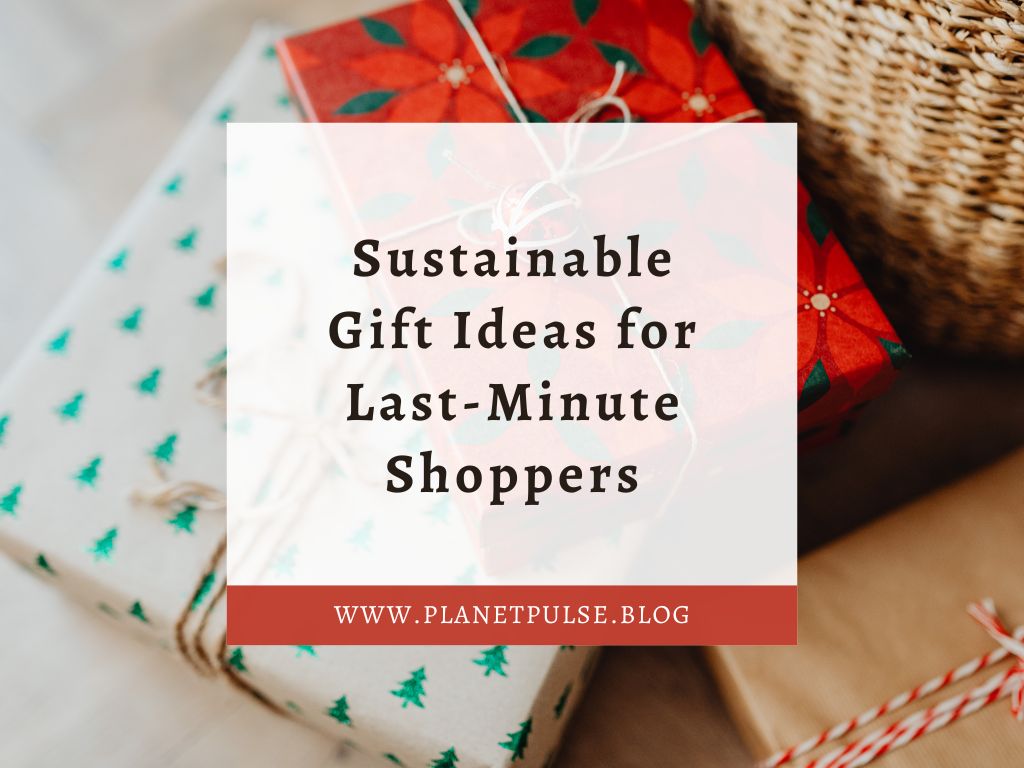 Continue reading →: Sustainable Gift Ideas for Last-Minute Shoppers
Both happiness and stress are common around the holidays, particularly when you realise you’ve put off buying gifts until the last minute. The temptation is to reach for something handy, which is frequently mass-produced and covered in plastic. The good news is that it doesn’t take weeks to plan a sustainable…
🎉 Get a FREE Climate Change Infographic printable when you join our newsletter!

Planet Pulse
Latest Posts
Hello,
Welcome to Planet Pulse, where you will discover the wonders of geography and environmental management. Whether you’re a geography enthusiast, student, or eco-conscious individual, join us to explore diverse ecosystems and make a positive impact.
Let’s connect
Subscribe
Get a FREE Climate Change Infographic when you join our Newsletter!
Recent posts

Support Us
Love this site? A small gift can go a long way in keeping it online.
Advertisements
 Planet Pulse