
In this Article
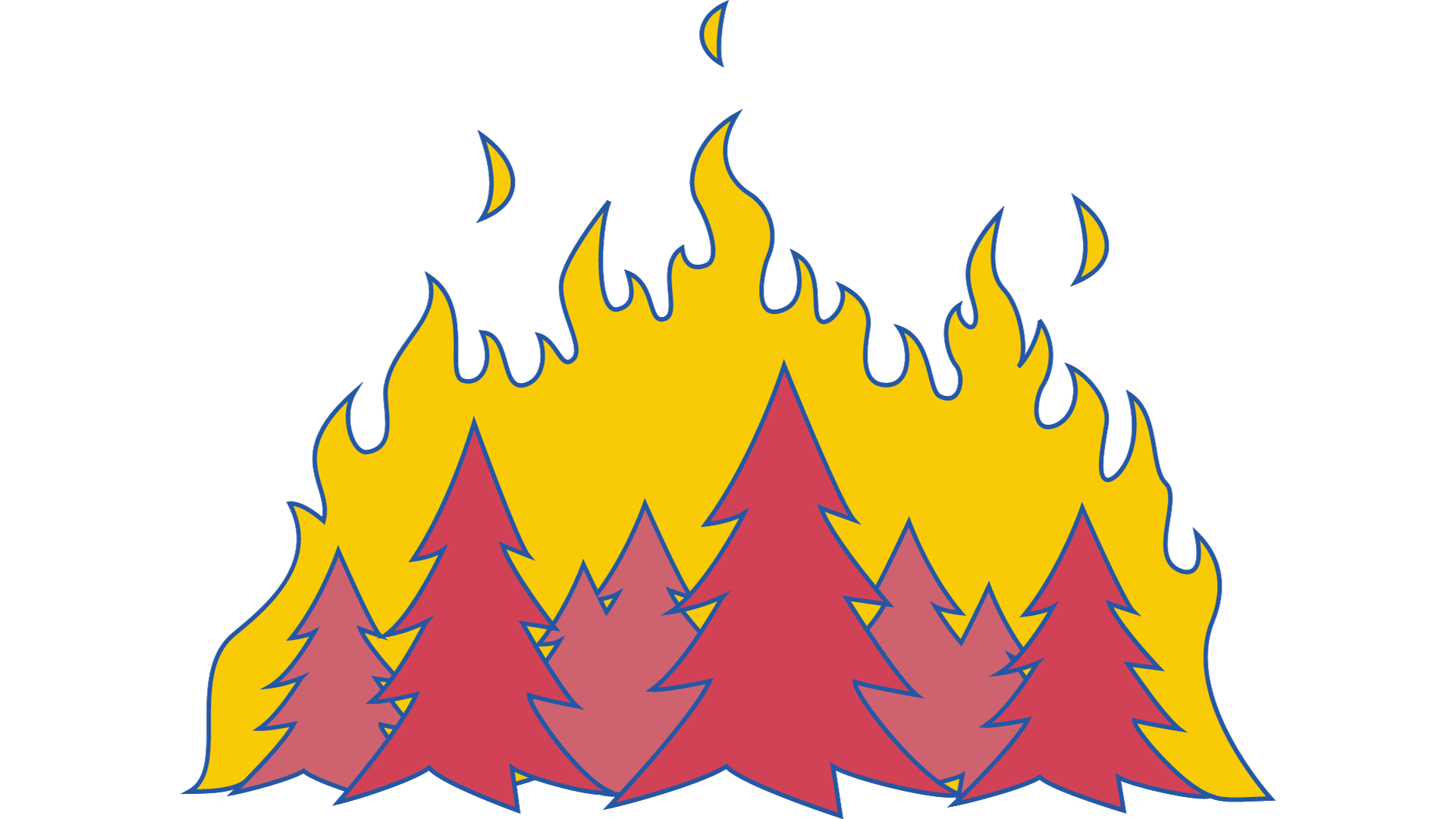
The frequency and severity of wildfires have alarmingly increased during the past few years. These natural disasters have left a path of destruction in their wake, frequently being ignited by a confluence of causes including climate change, human activity and droughts. Every region of our earth is susceptible to the fierce burn of wildfires, from deep woods to residential neighbourhoods.
Environmental Impact
Wildfires have several environmental impacts, which includes:
Destruction of natural habitats and ecosystems
Visualise the beautiful grasslands, luscious woods, and alive with life wetlands. Imagine these paradises now transformed to smouldering wasteland. The environments that numerous animals depend on for their survival are relentlessly destroyed by wildfires. The immediate loss is tremendous, and it might take generations for the environment to recover.
Loss of biodiversity and long-term ecological consequences
Biodiversity suffers a tragic cost as the flames consume and the smoke billows. Many plants and animals are forced from their environments or suffer terrible repercussions, some of which are already on the verge of extinction. When these delicate ecological balances are upset, the effects can be felt for a very long time and have a significant impact on the health and vitality of our natural environment.

Soil erosion and degradation
The Earth’s fragile topsoil is exposed and vulnerable after wildfires. Heavy rains sweep away valuable soil, creating landscapes that are damaged and bare. Natural regeneration is hindered, and the already significant environmental impact is made worse by the deterioration of soil quality.

Air quality deterioration and greenhouse gas emissions
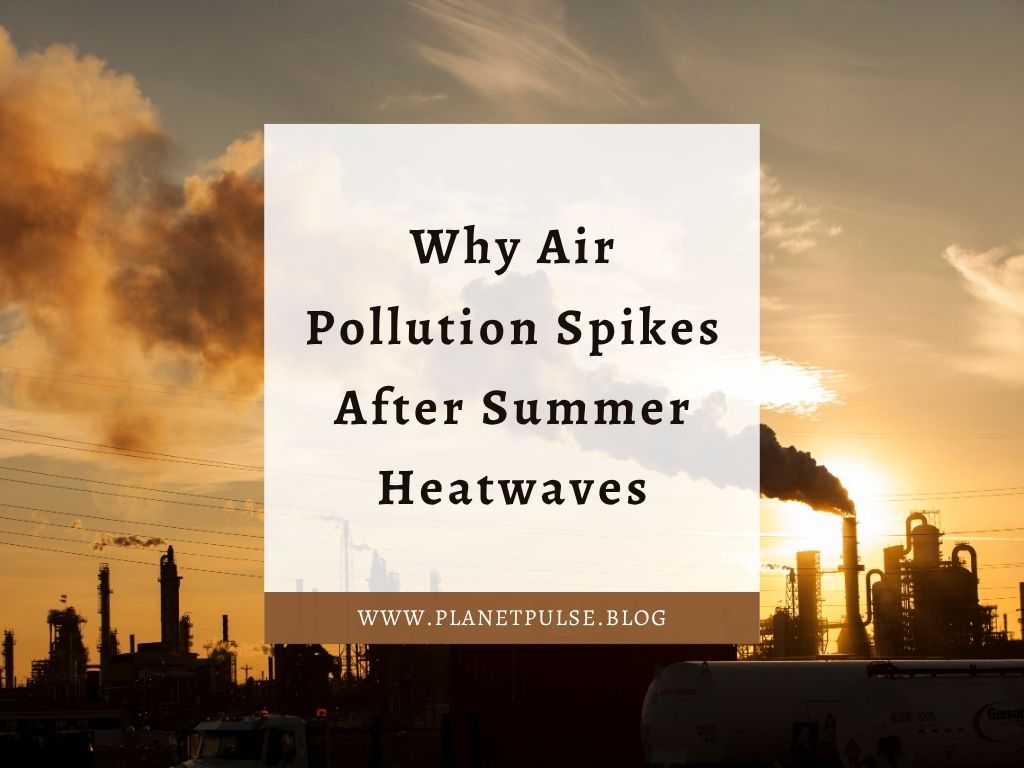
The wildfire’s reach extends to the skies as well. They emit a poisonous concoction of smoke, particle matter and toxic fumes that can spread widely and consume areas far from the flames. This not only poses acute health dangers, but it also deteriorates the air quality. To make matters worse, wildfires significantly increase the threat of climate change by releasing large volumes of greenhouse gases like carbon dioxide and methane.

Impact on water sources and aquatic life
Even our valuable waterways are at risk because of wildfires. Rivers, lakes and reservoirs may become contaminated by the fire’s ash, debris and toxins. Fish, amphibians and other aquatic life forms are in significant risk because of this threat to aquatic ecosystems. Additionally, higher sedimentation and increased flood hazards during rainstorm events may result from the altered topography.

Wildfires’ effects on the environment serve as a harsh reminder of how intertwined all life is on Earth. We must consider the significant and frequently irreversible changes they impose on the natural environment while we see these burning calamities.



Leave a Reply