

Modern industrial farming practices have led to soil degradation, loss of biodiversity, and increased carbon emissions. However, regenerative agriculture offers a promising solution to restore soil health, improve food security, and combat climate change.
In this article, we will explore what regenerative agriculture is. We will examine real-world case studies of farms implementing these practices. We will also discuss how individuals can support this movement.
In this Article
What is Regenerative Agriculture?
Regenerative agriculture is a holistic farming approach that focuses on rebuilding soil health, increasing biodiversity, and restoring ecosystems. Unlike conventional farming, which often depletes soil nutrients through excessive tilling and chemical use, regenerative agriculture collaborates with nature. Its goal is to create long-term sustainability.
Key Principles of Regenerative Agriculture:
- Cover cropping: Planting cover crops to protect soil, prevent erosion, and add organic matter.
- Crop rotation: Diversifying crops to break pest cycles and enrich soil nutrients.
- Reduced tillage: Minimising soil disturbance to preserve microbial life and structure.
- Composting and organic amendments: Returning nutrients to the soil naturally.
- Agroforestry: Integrating trees with crops to enhance biodiversity and soil stability.
Farms Leading the Regenerative Agriculture Movement
Let’s examine some case studies where farmers have successfully implemented regenerative agriculture. This approach has led to improved soil health. It has also increased biodiversity and enhanced resilience to climate change.
1. Gabe Brown’s Ranch (USA)
Gabe Brown, a North Dakota farmer, transformed his land using no-till practices, diverse crop rotation, and livestock integration. His approach restored soil organic matter and improved water retention, leading to healthier crops and reduced dependence on chemical fertilizers.
| Impact | How It Helps |
|---|---|
| Soil Carbon Sequestration | Reduces greenhouse gases |
| Crop Resilience | Withstands extreme weather better |
| Lower Input Costs | Reduces chemical dependency |
| Livestock Rotation | Improves soil fertility and mimics natural grazing |
| Cover Cropping | Prevents soil erosion and enhances biodiversity |
2. ZQRX Wool Farms (New Zealand)
New Zealand’s ZQRX wool farms implement regenerative grazing, allowing pastures to naturally recover. By moving livestock strategically, these farms enhance soil biodiversity and increase carbon storage.
| Regenerative Practice | Benifit |
|---|---|
| Rotational Grazing | Prevents overgrazing and improves soil health |
| Soil Regeneration | Natural composting reduces synthetic fertilizer use |
| Water Conservation | Rainwater harvesting and improved irrigation |
| Animal Welfare | Ensures livestock contribute to ecosystem balance |
3. Sikkim (India) – The First Organic State
Sikkim, a state in India, transitioned to 100% organic farming, reducing synthetic fertilizers and pesticides. This large-scale adoption of regenerative practices has improved soil fertility and boosted farmer income while protecting biodiversity.
| Impact | How It Helps |
|---|---|
| No Chemical Pesticides | Reduces water contamination |
| Increased Farmer Profits | Organic certification provides premium market access |
| Improved Food Security | Enhances soil nutrients and crop resilience |
| Agroforestry | Integrates trees into farmland to prevent soil erosion |
| Community Composting | Reduces waste and enhances soil regeneration |
The Environmental and Economic Benefits of Regenerative Agriculture
Regenerative agriculture offers profound benefits that extend beyond individual farms, influencing global environmental health and economic stability. By adopting these practices, farmers can create self-sustaining ecosystems. These ecosystems not only boost productivity but also combat climate change. They restore biodiversity as well.
Environmental Benefits:
- Restores Soil Health: By increasing organic matter, regenerative practices enhance soil fertility and prevent erosion.
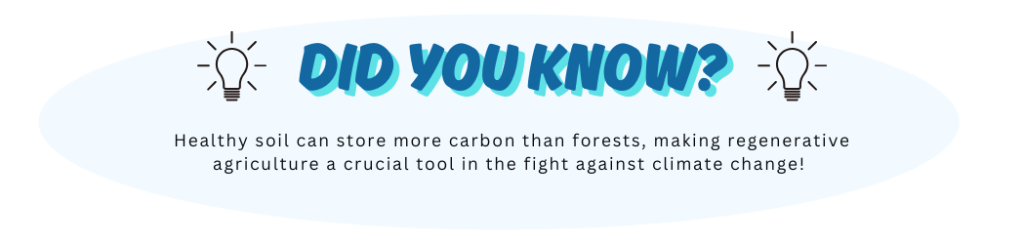
- Sequesters Carbon: Healthy soils act as carbon sinks, helping to reduce greenhouse gases.
- Enhances Biodiversity: Encourages natural habitats for pollinators, microbes, and wildlife.
- Improves Water Retention: Reduces runoff and enhances drought resilience.
- Reduces Chemical Dependence: Limits the need for synthetic fertilizers and pesticides, minimizing environmental pollution.
Economic Benefits
- Reduces Input Costs: Farmers spend less on fertilizers, pesticides, and irrigation.
- Increases Productivity: Healthier soils lead to higher, more resilient yields.
- Creates Market Opportunities: Demand for regenerative-certified products is growing, offering premium pricing.
- Enhances Climate Resilience: Farms are better prepared to withstand extreme weather conditions.
- Supports Rural Economies: Regenerative practices often encourage local employment and sustainable farming communities.
By integrating regenerative agriculture, farmers and consumers alike can contribute to a more resilient and sustainable global food system.
Frequently Asked Questions (FAQs)
How does regenerative agriculture differ from organic farming?
Both regenerative agriculture and organic farming avoid synthetic chemicals, but regenerative agriculture focuses on restoring ecosystems and improving soil health, whereas organic farming primarily eliminates synthetic inputs.
Can regenerative farming feed the world?
Studies suggest that regenerative practices can maintain or increase crop yields while improving soil sustainability, making it a viable long-term solution.
How can consumers support regenerative agriculture?
- Buy from regenerative-certified brands
- Support local farmers’ markets
- Reduce food waste and choose sustainably sourced products
Conclusion
Regenerative agriculture is more than just a farming technique. It’s a climate solution. It restores ecosystems, improves food security, and ensures a sustainable future. By supporting regenerative farming, we can help protect our planet while fostering healthier communities and resilient food systems.




 Planet Pulse
Leave a comment