
In this Article
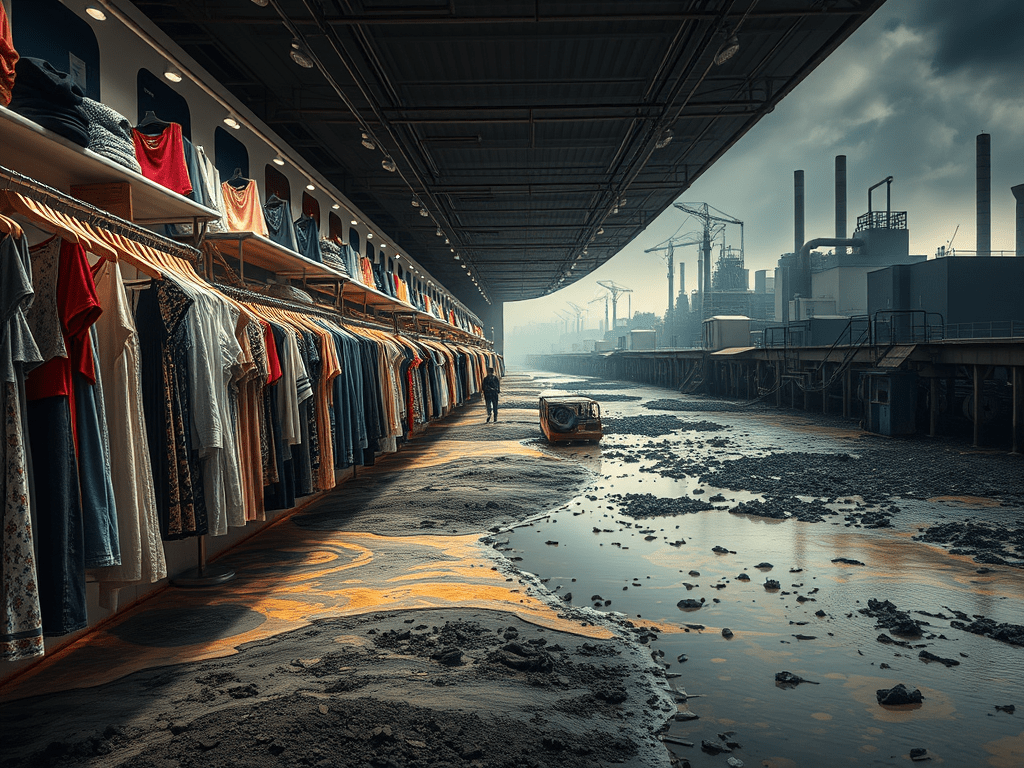
Fast fashion has transformed the way people consume clothing, offering trendy apparel at low prices and ensuring rapid turnover of new styles. However, beneath the allure of affordability lies a significant environmental and ethical crisis.
From excessive water consumption and pollution to unethical labour conditions and waste accumulation, the true cost of fast fashion is much higher than its price tags suggest. This article delves into the environmental and social impact of fast fashion, exploring real-world case studies and actionable steps consumers can take to mitigate these effects.
Water Consumption and Pollution
The fashion industry is one of the most water-intensive industries in the world. It takes approximately 2,700 liters of water to produce a single cotton t-shirt, which is equivalent to what an average person drinks in 2.5 years. The textile industry alone accounts for 20% of global wastewater production, primarily due to dyeing and finishing processes that release toxic chemicals into the environment.
Case Study: The Aral Sea Crisis
The Aral Sea, once the fourth-largest lake in the world, has nearly dried up due to excessive water diversion for cotton production, particularly in Uzbekistan and Kazakhstan. This has led to:
- Desertification – The surrounding land has turned into arid desert, devastating local agriculture.
- Loss of Biodiversity – The disappearance of marine life has severely impacted fishing communities.
- Health Issues – Toxic pesticide-laden dust storms have led to increased cases of respiratory diseases among local populations.
Moreover, textile dyeing is the second-largest polluter of clean water worldwide. In countries like China, India, and Bangladesh, rivers have turned bright shades of blue, red, and purple due to untreated dye waste. This pollution has led to widespread contamination of drinking water supplies, harming both humans and wildlife.
Carbon Footprint of Fast Fashion
Fast fashion is a major contributor to climate change. The industry produces 8-10% of global carbon emissions, surpassing the combined emissions from all international flights and maritime shipping. Synthetic fabrics, which dominate fast fashion, are derived from fossil fuels, further increasing the sector’s carbon footprint.
Case Study: The Bangladesh Textile Industry
Bangladesh is one of the world’s leading textile producers, with thousands of garment factories operating to meet global demand. However, most of these factories rely on coal and natural gas for energy, emitting large quantities of CO₂, methane, and other greenhouse gases. The impact includes:
- Increased Air Pollution – Factory emissions contribute to smog and respiratory diseases in urban areas.
- Deforestation – Wood is often used as fuel, leading to loss of natural carbon sinks.
- Overproduction and Waste – Clothing is produced at such high rates that unsold inventory is often discarded or burned, releasing even more CO₂.
To make matters worse, fast fashion companies encourage disposable consumption habits, where clothes are designed to be worn only a few times before being discarded.
Waste and Landfill Crisis
Fast fashion has accelerated a throwaway culture, where garments are mass-produced, worn briefly, and discarded. Globally, over 85% of textiles end up in landfills or incinerators each year, amounting to 92 million tons of waste annually. Most of these clothes contain synthetic fibers, which take hundreds of years to decompose.
Case Study: Chile’s Atacama Desert – The Fashion Dumping Ground
The Atacama Desert in Chile has become an illegal dumping ground for discarded clothing from the U.S., Europe, and Asia. Each year, thousands of tons of unsold and second-hand garments—many containing plastic-based fabrics—are dumped here, leading to:
- Toxic Leachate – Chemicals from dyes and synthetic materials seep into the soil, contaminating groundwater.
- Fire Hazards – Synthetic textiles are highly flammable, increasing the risk of uncontrolled fires.
- Displacement of Indigenous Communities – Local residents face increasing environmental and social pressures due to the encroachment of waste.
Microplastics and Ocean Pollution
A significant portion of fast fashion garments are made from synthetic materials like polyester, nylon, and acrylic. These fabrics shed microplastics (tiny plastic fibers) with every wash. It is estimated that 35% of the microplastics in our oceans originate from synthetic textiles.
Case Study: The Great Pacific Garbage Patch
Research has found that a substantial portion of microplastic pollution in the Great Pacific Garbage Patch comes from textile fibers. These microplastics pose severe risks:
- Marine Life Ingestion – Fish, seabirds, and other marine animals mistake microplastics for food, leading to starvation and toxicity.
- Bioaccumulation in the Food Chain – When humans consume seafood, these microplastics may enter our bodies, potentially leading to health risks such as hormone disruption and inflammation.
- Irreversible Environmental Damage – Microplastics persist in ecosystems for centuries, accumulating in marine sediments and water supplies.
Exploitative Labour Practices
Beyond its environmental impact, fast fashion is notorious for exploiting garment workers in developing countries. Many laborers endure long hours, unsafe conditions, and wages far below the living standard.
Case Study: The Rana Plaza Collapse (2013)
One of the worst industrial disasters in modern history, the Rana Plaza collapse in Bangladesh, killed over 1,100 workers and injured thousands more. Key causes included:
- Overcrowded Factories – The building was never designed to support the heavy textile machinery inside.
- Neglect of Safety Regulations – Cracks were visible in the structure before the collapse, yet workers were forced to continue working.
- Pressure from Western Brands – Companies demanded cheap and fast production, leading to excessive strain on infrastructure and workers.
Despite promises of reform, many fast fashion brands continue to source from factories that violate labor rights, forcing workers into inhumane conditions.
What Can Consumers Do?
While fast fashion companies bear significant responsibility, consumers have the power to demand change. Here’s how:
- Buy Less, Choose Wisely – Invest in high-quality, timeless pieces instead of chasing every trend.
- Support Ethical and Sustainable Brands – Look for certifications like Fair Trade, GOTS (Global Organic Textile Standard), and B Corp.
- Thrift and Upcycle – Buying second-hand clothing and repurposing old garments can significantly reduce textile waste.
- Wash Clothes Responsibly – Use a microfiber-catching laundry bag to minimize microplastic pollution.
- Advocate for Policy Change – Support legislation that enforces ethical labour laws and sustainability standards in fashion.
Conclusion
The true cost of fast fashion is far greater than what is reflected on a price tag. Its devastating impact on water resources, climate change, landfill waste, and human labour makes it one of the most pressing sustainability challenges of our time.
However, through mindful consumer choices and systemic industry changes, we can shift toward a more ethical, circular, and sustainable fashion future. Every small decision, whether it’s buying less, choosing better, or spreading awareness—plays a part in reducing the harm caused by fast fashion.





 Planet Pulse
Leave a comment