
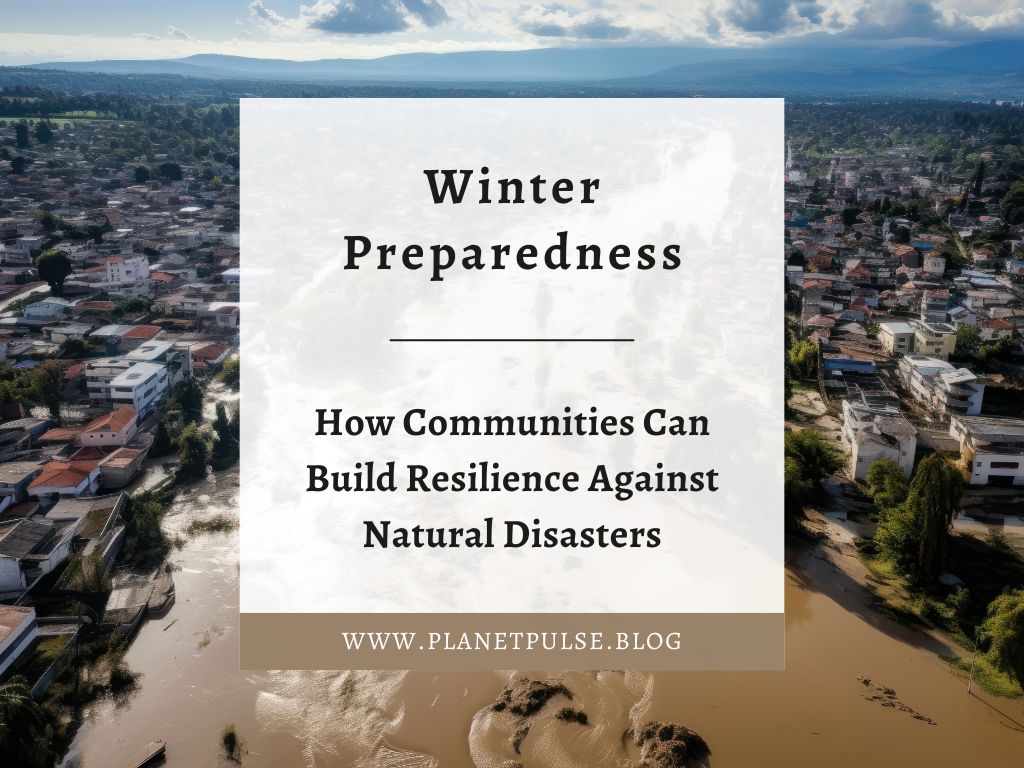
Winter has a way of catching us off guard. One minute we’re enjoying festive lights and pleasant mornings, and the next we’re facing power outages, freezing winds, and swollen rivers. In addition to being inconvenient, the cold season may be hazardous for many vulnerable communities. Every year, we are put to the test by floods, storms, and frigid weather. The good news? We can transform winter from a time of anxiety into one of strength and unity with planning and cooperation.
In this Article
Understanding Winter Natural Disasters
Depending on the location, winter disasters can take many various forms. For example:
- Floods: can occur when frozen ground prevents the absorption of water or when sudden thaws overwhelm rivers and drainage systems. Poorly drained urban areas are often more vulnerable.
- Storms: such as blizzards, ice storms, and high winds can cause supply chain disruptions, house damage, and transportation immobility.
- Secondary impacts: include prolonged power outages, heating failures, and increased health risks like hypothermia, frostbite, and respiratory illness. These indirect effects often last longer than the initial event.
Vulnerabilities in Communities
There are weak points in every community, such as old homes that aren’t insulated against the cold or an outdated drainage system that can’t handle a lot of rain. Winter disasters frequently disproportionately affect vulnerable populations, such as the elderly, individuals with impairments, or low-income families.
Geographical factors can also affect vulnerable communities. For example, mountain communities, coastal villages, and riverside towns all face different dangers. Acknowledging these vulnerabilities is about knowing where to direct our attention and care, not about blaming others.
Flood Preparedness Strategies
Layered techniques are necessary for flood resilience. This includes:
- Enhancing defences: Constructing retention basins, flood barriers, and levees can lower significant risks.
- Early warning systems: Mobile notifications, sensors, and flood mapping provide communities with time to take action.
- Household precautions: Families can raise electrical systems, waterproof basements and prepare sandbags. For survival during isolation, emergency kits containing food, water, and medical supplies are also essential.
Preparedness Strategies for Storms
Storm preparedness focuses on minimising damage and ensuring continuity. For example:
- Reinforcing structures: Roofs, windows, and doors should be secured against high winds and heavy snow, so remove loose bricks or cracked roof tiles that can fly off.
- Tree and power line maintenance: Prevents falling branches and reduces power outages and other accidents.
- Stockpiling essentials: Food, water, heating supplies, and medical kits ensure survival during prolonged isolation.
- Communication networks: Radios, community hotlines, and digital alerts keep residents connected when power or internet fails.
Role of Local Governments and Organisations
Governments and organisations are central to resilience against natural disasters:
- Policy frameworks: Disaster risk reduction policies embed preparedness into governance.
- Resilient infrastructure investment: Upgrading drainage, power grids, and housing reduces long-term risks.
- Public awareness campaigns: Education empowers citizens to take responsibility for preparedness.
- Collaboration with NGOs: Volunteer groups often provide rapid response and community support, filling gaps in official systems
Community Engagement and Education
Preparedness thrives when communities work together, through:
- Neighbourhood plans: Localised strategies ensure tailored responses.
- Citizen participation: Drills and workshops build confidence and readiness.
- Resource sharing: Communities can pool supplies and knowledge.
- Inclusivity: Disaster planning must consider diverse needs, from language barriers to accessibility.
Case Studies and Examples
- Netherlands: Innovative dam systems and water storage solutions have made Dutch towns global leaders in flood resilience.
- Canada and the U.S.: Cities prone to blizzards invest heavily in snow removal fleets, warming centres, and emergency shelters.
- Global lessons: Past disasters highlight the importance of early warnings, community drills, and resilient infrastructure.
Building Long-Term Resilience
Every year, being ready for winter shouldn’t be a struggle. Long-term resilience entails incorporating preparedness into daily living, investing in sustainable infrastructure, and designing cities with climate change in mind.
Resilience becomes ingrained in the society rather than merely being a yearly checklist, whether it is by developing community networks, insulating homes, or educating children about safety.
Conclusion
There will always be difficulties throughout the winter, but there doesn’t have to be chaos. Governments, communities, and individuals can all prepare for floods, storms, and frigid nights with certainty. Although it takes time to develop resilience, each step we take strengthens us. Before the rivers rise and the winds roar, now is the moment to get ready.






 Planet Pulse
Leave a comment