

From flexible baking mats to reusable skincare masks and even menstrual cups, silicone has become a popular material for those seeking eco-friendly alternatives to plastic. It’s often marketed as a durable, non-toxic, and sustainable option. However, is silicone really as green as it seems?
As consumers become more conscious of the environmental impact of everyday products, it’s important to dig beneath the surface of sustainability claims. While silicone does offer some advantages over single-use plastics, its full environmental footprint is more complex than many realise.
In this article, we’ll explore how silicone is made, whether it’s biodegradable or recyclable, how it compares to plastic, and what it takes to use it responsibly. If you’ve ever wondered whether silicone belongs in your zero-waste lifestyle, read on as the answer might surprise you.
In this Article
What Is Silicone?
Silicone is often mistaken for plastic, but it’s actually a synthetic rubber-like material made from a combination of silicon (a natural element found in sand), oxygen, carbon, and hydrogen. The result is a flexible, heat-resistant polymer that’s used in everything from kitchenware and baby products to medical devices and beauty tools.
It’s important to distinguish between silicon and silicone:
- Silicon is a naturally occurring element. It is the second most abundant in the Earth’s crust and more commonly found in sand and quartz.
- Silicone, on the other hand, is a man-made material created by chemically bonding silicon with other elements to produce a stable, durable substance.
Silicone’s appeal lies in its versatility and resilience. It doesn’t leach chemicals like some plastics, it can handle extreme temperatures, and it doesn’t degrade with repeated use. That’s why it’s become a go-to for reusable alternatives, from baking sheets and water bottle lids to sheet mask substitutes in skincare.
But while silicone feels like a more sustainable option on the surface, understanding its production process and end-of-life limitations is key to determining whether it’s truly eco-friendly.
How Silicone Is Made And It’s Environmental Cost
While silicone may originate from a natural resource called silica, the main component of sand, which is the journey from raw material to finished product involves a highly industrial, energy-intensive process.
| Stage | Description | Environmental Impact |
|---|---|---|
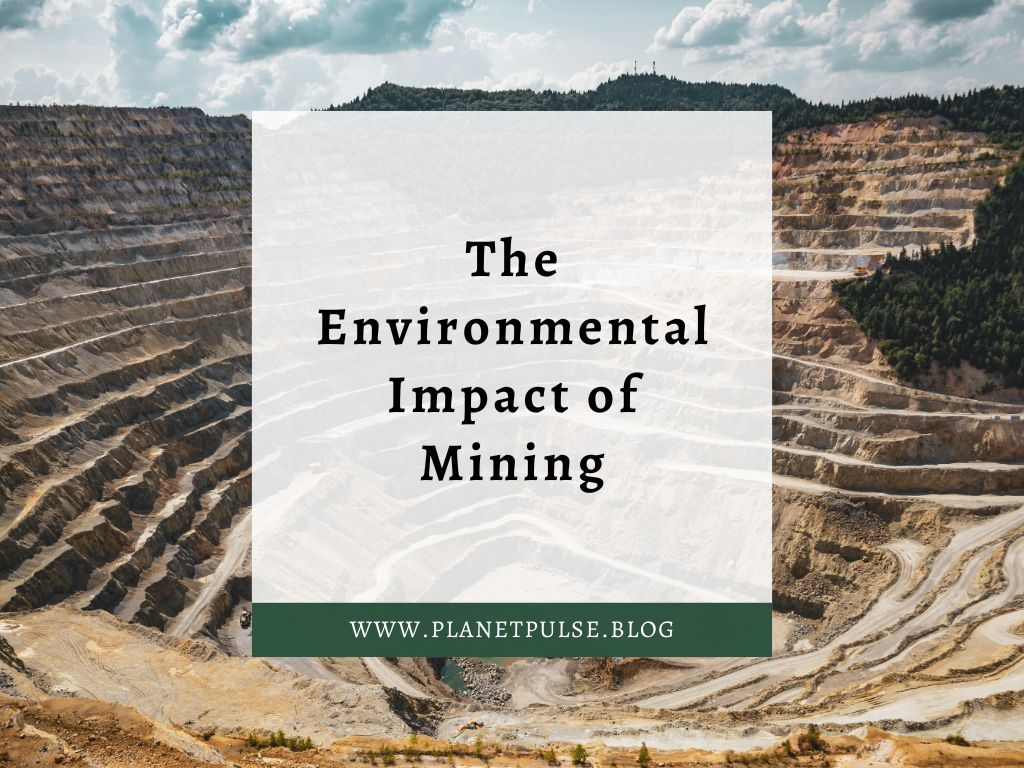
| Extraction of Silica | Mining quartz sand and refining silicon at ~1,800°C | Energy intensive as it requires high temperatures, mostly generated by fossil fuels, leading to significant CO₂ emissions. Mining can cause habitat disruption and land degradation. Extraction may lead to dust and particulate pollution if not properly managed. |
| Chemical Processing | Combining purified silicon with methyl chloride using platinum catalysts to create siloxanes | Uses hydrocarbons derived from petroleum/natural gas, linking production to fossil fuel extraction. Some chemical reactions generate toxic byproducts and waste, requiring careful handling and disposal to prevent environmental contamination. Production facilities may release volatile organic compounds (VOCs) affecting air quality if not well controlled. |
| Curing and Molding | Heat curing or room-temperature vulcanisation to form silicone into desired shapes | Requires additional energy input, often from non-renewable sources, contributing to further carbon emissions. Use of specialised equipment and chemicals which may have environmental and occupational health considerations. Waste from defective or excess silicone may be difficult to recycle, potentially contributing to landfill accumulation. |
Silicone vs. Plastic: Which Is More Sustainable?
When weighing the environmental impact of silicone against traditional plastics, the answer isn’t black and white. Both materials have pros and cons, and understanding these can help you make smarter choices for sustainability.
1. Durability and Lifespan
Silicone is far more durable than most plastics. It can withstand extreme temperatures, from around -100°C to 250°C, is resistant to UV light and chemicals, and doesn’t degrade easily over time. This means silicone products, such as kitchen utensils, reusable masks, and baby items often last years or even decades, compared to single-use or short-lived plastic items that quickly end up in landfill or the ocean.
2. Reusability and Waste Reduction
Because silicone is reusable and long-lasting, it can significantly reduce waste if used consistently over time. For example, a silicone baking mat can replace hundreds of single-use parchment papers, and silicone menstrual cups replace thousands of disposable tampons or pads.
3. Microplastic Pollution
One major environmental issue with plastic is its breakdown into microplastics, which contaminate oceans and enter the food chain. Silicone, however, does not shed microplastics because of its chemical structure, making it a cleaner option in this regard.
4. End-of-Life Concerns
The big challenge with both materials is what happens after their useful life:
- Plastic: Many plastics are recyclable but often end up in landfills or incinerators due to lack of recycling infrastructure or contamination. Plastics also take hundreds of years to decompose and can release harmful chemicals as they break down.
- Silicone: While technically recyclable, silicone is rarely accepted in curbside recycling programs and requires specialized facilities. It is not biodegradable, so if discarded improperly, silicone can persist in the environment for decades or more.
If used long-term, silicone generally has a lower environmental impact than single-use plastics, thanks to its durability and resistance to microplastic pollution. However, its production is more energy-intensive, and recycling options are limited. Choosing silicone products with a plan to reuse them extensively, and disposing of them responsibly, makes all the difference.
Frequently Asked Questions (FAQs)
Is silicone biodegradable or compostable?
No, silicone is neither biodegradable nor compostable. It can persist in landfills for many years, so proper reuse and recycling are important to minimise its environmental impact.
Can silicone be recycled?
Yes, silicone is recyclable, but only through specialised recycling programs and not curbside collection. Some companies and organisations offer take-back programs for silicone products.
How can I use silicone products sustainably?
To maximise sustainability, choose high-quality silicone items designed for long-term use, care for them properly, and avoid replacing them frequently. When finished, recycle them through dedicated programs whenever possible.
Conclusion
Silicone is often seen as a greener alternative to plastic, and for good reasons: its durability, resistance to microplastics, and versatility make it a valuable material for reducing single-use waste. However, its production process is energy-intensive, and its end-of-life options remain limited due to the challenges in recycling and lack of biodegradability.
Ultimately, silicone’s sustainability depends largely on how long you use it and whether you dispose of it responsibly. Investing in high-quality silicone products that last for years and recycling them through specialised programs can help minimise their environmental footprint.
If you’re interested in eco-friendly skincare, reusable silicone masks may be a better choice than disposable sheet masks, but it’s essential to weigh their full environmental impact. For a closer look at silicone in skincare and beauty, check out our article “Are Reusable Silicone Masks Really Eco-Friendly?”


 Planet Pulse
Leave a comment