
To support the running costs of Planet Pulse, this post may contain affiliate links. This means Planet Pulse may earn a small commission, at no extra cost to readers, on items purchased through these links.
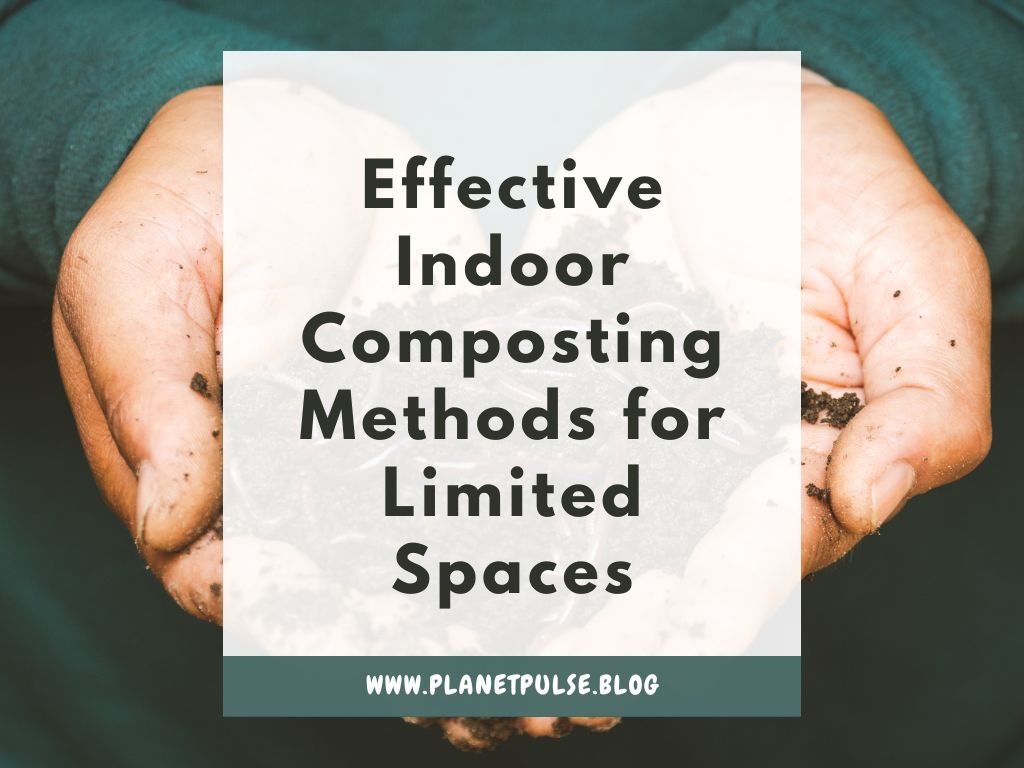
Composting is a powerful way to reduce your environmental footprint, but if you live in an apartment or have limited space, it can seem like an impossible mission. The good news? You can compost indoors cleanly, effectively, and without foul odours, by choosing the right method for your space and lifestyle. Here’s how to make it work, plus some product recommendations to get started.
Why Compost Indoors?
Food scraps make up a large portion of household waste and often end up in landfills where they emit methane, a potent greenhouse gas. Composting turns organic waste into nutrient-rich soil that can be used for houseplants, shared with community gardens, or even donated to local composting programs. For apartment dwellers, indoor composting offers a way to reduce waste and live more sustainably without needing a backyard.
Top Indoor Composting Solutions
Below are some of the best composting solutions we recommend to help you start your composting journey.
1. Electric Composters
Best for: Busy individuals, families, tech lovers.
Odour level: Very Low to None (sealed units with carbon filters).
Electric composters like Lomi by Pela use heat, grinding, and ventilation to break down food scraps into a dry, soil-like material, often within just 4 to 8 hours.
| Advantages | Disadvantages |
|---|---|
| Extremely fast | High upfront cost |
| Odour-controlled with built-in filters | Requires electricity |
| Accepts a wide variety of food scraps (including meat, dairy) | Output is pre-compost (beneficial but not biologically active soil yet) |
2. Bokashi Composting System
Best for: Fermentation fans, zero-waste advocates,
Odour level: Low to Medium (fermentation odour, not rot; air-tight system).
The Bokashi method ferments food waste using a specialised inoculated bran containing beneficial microbes. You collect scraps in an airtight bucket, sprinkle Bokashi bran, and let it ferment. We recommend the Bokashi Bin Set of 2 , which is a modern design, great for small kitchens.
| Advantages | Disadvantages |
|---|---|
| Can compost almost anything (including meat, dairy, cooked food) | Not a complete composting system, needs a “final stage” (buried in soil or added to another compost) |
| Compact and sealed (low risk of pests) | Must drain liquid regularly (can be used as plant fertiliser) |
| Fermented waste can go to soil or municipal compost |
3. Worm Composting (Vermicomposting)
Best for: Gardeners, eco-conscious families, kids.
Odour level: Low (smells like soil when done properly).
Worm composting uses red wiggler worms to eat food scraps and produce castings, which are nutrient-rich for plants. Urban Worm Bins are breathable, mess-free and ideal for indoor use.
| Advantages | Disadvantages |
|---|---|
| Produces excellent compost (worm castings) | Requires consistent care (feeding and bedding) |
| Educational and interactive | Sensitive to extreme heat/cold |
| Cost-effective, low-energy | Can develop odours if overfed or too wet |
4. Compost Pail, Drop-Off or Pickup Program
Best for: Minimalists, those with local composting access.
Odour level: Medium (dependent on frequency of emptying).
If your city or building offers curb side organics pickup or there’s a nearby compost drop-off point, use a compost caddy or kitchen pail to collect scraps. We recommend the Tumbling Composter to collect your kitchen waste for easy drop off.
| Advantages | Disadvantages |
|---|---|
| Very low effort (no processing needed) | Requires local composting infrastructure |
| Compact and stylish pail options available | Needs regular emptying to avoid smells and pests |
| Ideal for city residents |
Tips for Successful Indoor Composting
- Choose the right method for your habits. If you cook daily and want fast results, go electric. Prefer a hands-on approach? Try worms or Bokashi.
- Keep it clean. Use compostable liners, rinse bins regularly, and avoid overloading systems.
- Watch what you compost. Most indoor systems don’t handle pet waste or large bones.
- Use or share your compost. Add it to houseplants, gift it to gardening friends, or find a community garden.
Conclusion
You don’t need a backyard to make a big environmental impact. With the right indoor composting solution, even the smallest apartment can be a hub of sustainability. Whether you choose a high-tech electric composter or a simple worm bin, composting indoors is easier, cleaner, and more accessible than ever.
Start where you are. Pick the method that matches your lifestyle, and you’ll be reducing waste and feeding the soil before you know it.



 Planet Pulse
Leave a comment