

Water is one of the most critical resources for sustaining life. Many urban areas such as Cape Town face water shortages. This is due to population growth, climate change, and excessive water consumption. The United Nations warns that nearly two-thirds of the world’s population could face water scarcity by 2025.
Conserving water in cities is essential for ensuring a sustainable future, reducing costs, and protecting the environment. This article explores why water conservation is vital. It outlines practical strategies that individuals, businesses, and governments can implement to reduce water usage.
In this Article
The Importance of Water Conservation Matters in Cities
1. Growing Urban Populations & Water Scarcity
With more people moving to cities, the demand for water increases. Without proper conservation measures, urban water supplies can become strained, leading to shortages and higher costs.
Overpopulation in urban areas places stress on local water sources, leading to depletion and contamination risks. Without proactive conservation efforts, cities may face severe water crises that impact daily life and economic activities.
Additionally, in regions already suffering from droughts, water conservation becomes crucial. It ensures a steady and safe supply for future generations.
2. Environmental Benefits of Water Conservation
Water conservation offers many benefits for the environment, including:
- Reduces strain on freshwater sources such as lakes, rivers, and groundwater, which are often over-extracted to meet urban needs.
- Minimises the energy required for water treatment and distribution, lowering carbon emissions associated with pumping and processing water.
- Helps maintain ecosystems and biodiversity by ensuring sufficient water remains in natural habitats, supporting aquatic life and wetlands.
- Prevents soil erosion and desertification, which can occur when water sources are depleted and vegetation is lost.
- Mitigates the effects of climate change by promoting responsible water use and reducing dependence on non-renewable water sources.
- Reduces water pollution by decreasing runoff that carries chemicals, waste, and pollutants into natural waterways.
3. Economic & Social Advantages
There are many economic and social advantages of water conservation. For example, it:
- Lowers household and business water bills, making essential resources more affordable for consumers.
- Reduces municipal costs related to water infrastructure maintenance and treatment, allowing cities to allocate funds to other essential services.
- Encourages sustainable economic development by ensuring long-term water availability for industries, agriculture, and communities.
- Prevents costly emergency water supply measures, such as importing water or constructing desalination plants, which can be expensive and energy-intensive.
- Increases property values in areas with reliable and sustainable water sources, benefiting urban development and investment.
- Enhances public health by ensuring clean and safe water access, reducing the risk of waterborne diseases.
Sustainable Water Conservation Practices
This section examines realistic water conservation tactics for individuals, corporations, and governments. Water shortages in many locations have been effectively addressed by conservation initiatives, as demonstrated by real-world examples.
For Individuals
- Install water-efficient appliances (low-flow toilets, faucets, and showerheads).
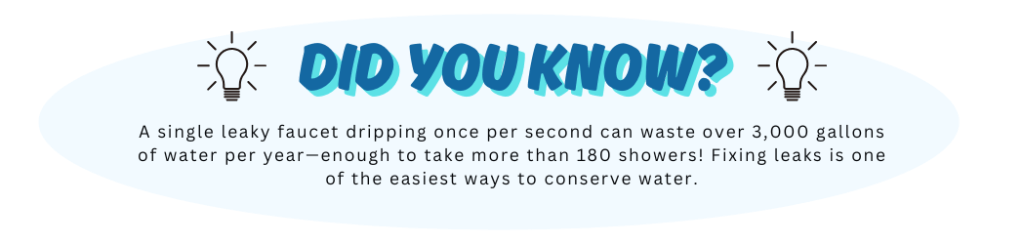
- Fix leaks promptly to prevent water wastage.
- Use rainwater harvesting systems for outdoor watering.
- Limit lawn irrigation and opt for drought-resistant plants.
- Turn off taps while brushing teeth or washing dishes.
- Reuse household water where possible, like using leftover cooking water for plants.
To learn more about how you can reduce your water consumption, Buy our Water Conservation Checklist.
Sustainable water conservation practices are important for cities. For example, Cape Town faced a severe water crisis in 2018. The city nearly ran out of water. To combat this, the city implemented aggressive water conservation measures. This included strict water rationing, public awareness campaigns, and incentives for installing water-efficient fixtures. As a result, water usage dropped by nearly 50%, preventing the dreaded “Day Zero.”
For Businesses
- Implement water recycling and reuse systems.
- Upgrade to water-efficient equipment in manufacturing and service industries.
- Conduct regular audits to identify areas of water waste.
- Encourage employees to adopt water-saving habits.
- Incorporate green infrastructure, such as permeable pavements and rooftop gardens, to reduce runoff and improve water retention.
For example, Las Vegas has implemented stringent water conservation policies for businesses. These include a ban on non-functional turf. There are also incentives for companies that reduce water consumption. These measures have helped the city reduce water use despite a growing population.
For Governments and Municipalities
- Promote water conservation policies and incentives for sustainable practices.
- Invest in smart water metering to monitor and reduce wastage.
- Upgrade aging water infrastructure to minimize leaks and inefficiencies.
- Educate communities about the importance of water conservation through public campaigns.
- Support initiatives for wastewater treatment and water reuse.
For example, Singapore has developed an advanced water recycling program called “NEWater,” which purifies wastewater into clean, drinkable water. This initiative has significantly reduced the country’s reliance on imported water and ensured a stable supply for its growing population.
Frequently Asked Questions (FAQs)
How can I conserve water without making big changes?
Simple habits like turning off taps, using a broom instead of a hose to clean driveways, and fixing leaks can make a big difference. Additionally, taking shorter showers and only running dishwashers or washing machines with full loads can help.
Does water conservation really help the environment?
Yes! It reduces energy consumption, preserves natural water sources, and protects wildlife habitats. Less water usage means less strain on ecosystems and reduced water pollution from urban runoff.
What are some cost-effective ways to save water at home?
Installing low-flow fixtures, collecting rainwater, and running full loads in dishwashers and washing machines can save both water and money. Also, checking and repairing leaks can prevent significant water waste.
What role do governments play in water conservation?
Governments can enforce regulations, invest in water-efficient infrastructure, and run public awareness campaigns. They also provide incentives for businesses and homeowners to adopt water-saving technologies.
Conclusion
Water conservation in urban areas is essential for ensuring long-term sustainability. It also protects the environment and reduces costs for individuals and communities. Cities that prioritise water conservation will be better prepared for future water challenges, benefiting both residents and ecosystems. By adopting simple yet effective water-saving practices, cities can secure their water future while minimizing their ecological footprint.




 Planet Pulse
Leave a comment