
Climate change is often discussed in terms of melting ice caps, rising sea levels, and biodiversity loss. Yet, one of its most urgent matter is frequently overlooked: its impact on human health. From respiratory illnesses caused by polluted air to malnutrition linked to disrupted food systems, climate change is not just an environmental crisis but also a public health emergency.
Framing climate action as a health issue makes the stakes more personal and immediate. Protecting the planet is not only about safeguarding ecosystems; it is about saving lives, reducing disease, and ensuring healthier futures for communities worldwide.
In this Article
Climate Change and Human Health: The Overlap
Climate change is not only affecting ecosystems but human health as well. This is because of the fact that long-term public health hazards, illness and diseases are related to environmental factors environmental factors driving global disruption. Understanding these connections is essential for framing climate action as a health priority.
Environmental Drivers of Health Risks
- Biodiversity loss alters ecosystems, increasing exposure to new pathogens.
- Rising global temperatures intensify heatwaves and wildfires, creating dangerous conditions for vulnerable populations.
- Extreme weather events such as storms, floods, droughts, disrupt infrastructure and healthcare systems as well as displace communities.
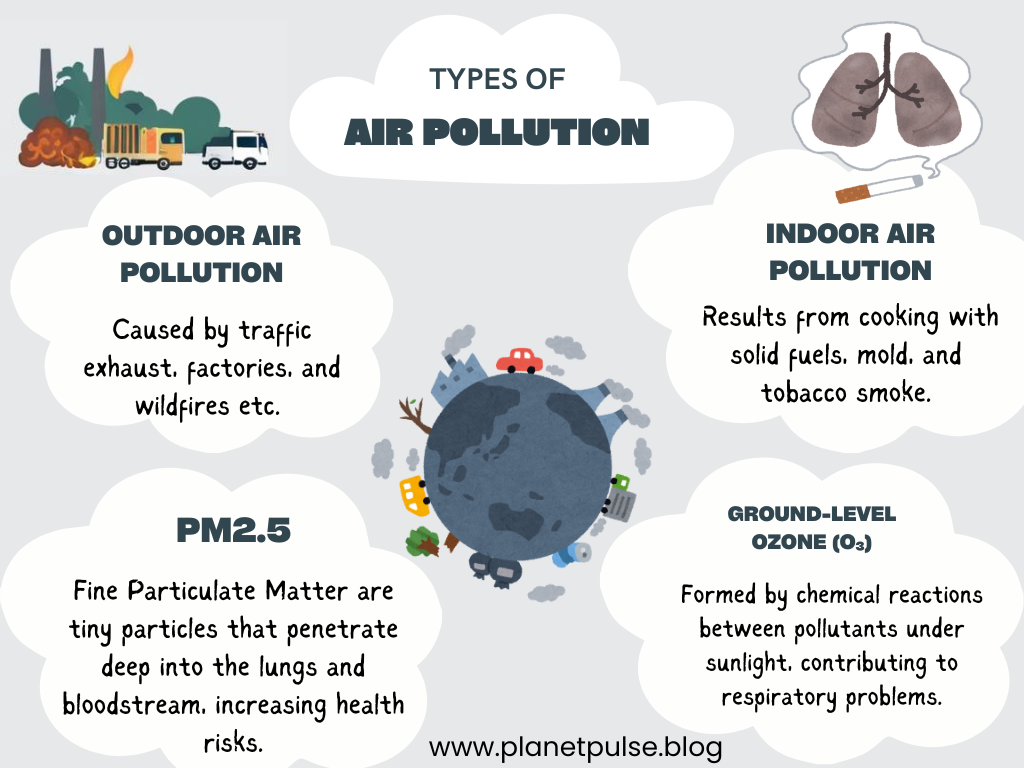
- Air pollution from fossil fuels worsens respiratory and cardiovascular conditions.
Climate Change Health Impacts
These environmental factors result into measurable health outcomes, such as:
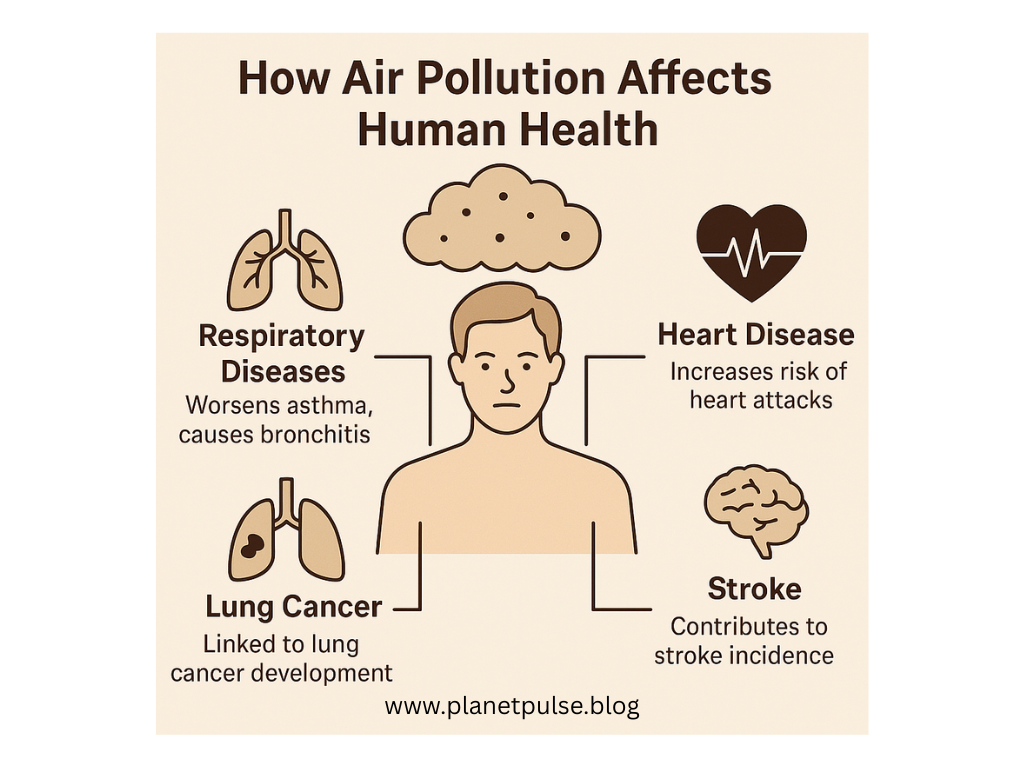
- Respiratory disease: Poor air quality worsens asthma, COPD, and lung cancer.
- Cardiovascular risks: Heat stress and pollution increase heart attack and stroke rates.
- Food insecurity and malnutrition: Crop failures reduce access to nutritious diets, weakening immunity.
- Mental health challenges: Climate disasters trigger anxiety, depression, and trauma.
Vulnerable Populations at Greater Risk
The health impacts of climate change are not evenly distributed. Children, the elderly, and low-income communities face disproportionate risks due to limited access to healthcare, safe housing, and nutritious food. Addressing climate change as a public health issue means prioritising equity and protecting those most at risk.
The Pathways Linking Climate and Health
Climate change affects health through multiple interconnected pathways. These pathways show how environmental disruption directly results into disease, injury, and long‑term public health challenges. By breaking them down, we can see how climate action is also health protection.
1. Air Pollution and Respiratory Disease
Burning fossil fuels releases fine particulate matter (PM2.5) and nitrogen oxides, which penetrate deep into the lungs. Poor air quality is one of the most significant climate change health pathways, linked to asthma, chronic obstructive pulmonary disease (COPD), and lung cancer. Transitioning to clean energy reduces emissions and improves respiratory health.
2. Heat Stress and Cardiovascular Impacts
Rising global temperatures intensify heatwaves, especially in urban areas with limited green space. Prolonged exposure to extreme heat causes dehydration, heatstroke, and worsens cardiovascular conditions. Heat stress is now recognised as a major public health risk of climate change, particularly for the elderly and outdoor workers.
3. Vector‑Borne Diseases in a Warming World
Warmer climates expand the habitats of mosquitoes and ticks, increasing the spread of diseases such as malaria, dengue fever, and Lyme disease. These climate‑driven health risks challenge healthcare systems in regions previously unaffected, highlighting the need for global preparedness.
4. Food Security and Nutrition
Climate change disrupts agricultural cycles through droughts, floods, and shifting rainfall patterns. Reduced crop yields lead to food shortages, higher prices, and malnutrition. Food insecurity is one of the most direct climate change health impacts, weakening immunity and increasing vulnerability to disease.
5. Water and Sanitation Challenges
Flooding contaminates water supplies, raising risks of cholera and diarrheal diseases. Droughts reduce access to clean water, undermining hygiene and sanitation. These water‑related climate health pathways disproportionately affect low‑income communities, where infrastructure is weakest.
The Public Health Case for Climate Action
Climate action is not only about reducing carbon emissions but also about protecting human health. Every step taken to cut greenhouse gases delivers immediate health benefits, making climate policy one of the most powerful public health tools available.
- Climate Policies as Health Interventions:
- Renewable energy reduces air pollution, lowering rates of asthma and heart disease.
- Active transport (walking, cycling) improves fitness while cutting emissions.
- Green spaces cool cities, reduce stress, and support mental well‑being.
- Co‑Benefits of Climate Action:
- Cleaner air means fewer respiratory illnesses.
- Lower healthcare costs ease pressure on public systems.
- Safer environments improve quality of life.
Equity and Justice Dimensions
Climate change does not affect everyone equally. Vulnerable populations such as children, the elderly, and low‑income communities, bear the brunt of climate‑related health risks. Addressing these disparities is essential for both climate justice and health equity.
1. Unequal Impacts
Marginalised communities often live in areas with higher pollution and climate hazards, yet have less access to healthcare. This creates a cycle of vulnerability that climate policies must break.
2. Climate Justice Is Health Justice
Equitable climate action ensures that resources, healthcare, and resilience measures reach those most at risk. Protecting vulnerable groups is not just ethical, it is a public health necessity.
3. Inclusive Solutions
- Community‑led climate initiatives empower local voices.
- Tailored health campaigns raise awareness in at‑risk populations.
- Policies designed with equity in mind ensure no one is left behind.
Policy and Action Recommendations
To protect both the planet and public health, governments, businesses, and communities must act together. Integrating health into climate strategies ensures that policies deliver maximum impact.
1. Integrating Health into Climate Policy
- Conduct health impact assessments for new climate policies.
- Foster collaboration between environmental and health ministries.
2. Strengthening Healthcare Systems
Healthcare systems must adapt to climate realities by:
- Training professionals to recognise climate‑related illnesses.
- Expanding emergency response capacity for extreme weather events.
- Investing in climate‑resilient infrastructure.
3. Sustainable Urban Planning
Cities can reduce health risks by:
- Expanding green spaces to cool urban heat islands.
- Encouraging active transport to cut emissions and improve fitness.
- Designing climate‑resilient housing and infrastructure.
4. Cross‑Sector Collaboration
Effective climate‑health action requires cooperation across sectors:
- Businesses adopting sustainable practices.
- Governments enforcing climate‑health regulations.
- Communities engaging in grassroots initiatives.
Conclusion
Climate change is not a distant environmental issue, it is a pressing public health crisis. Every degree of warming increases risks to human health, from respiratory disease to malnutrition. By framing climate action as health protection, we make the urgency tangible and personal.
The path forward demands integrated policies, equitable solutions, and collective action. Protecting the planet means protecting people. Climate action is health action, and the time to act is now.


 Planet Pulse
Leave a comment