
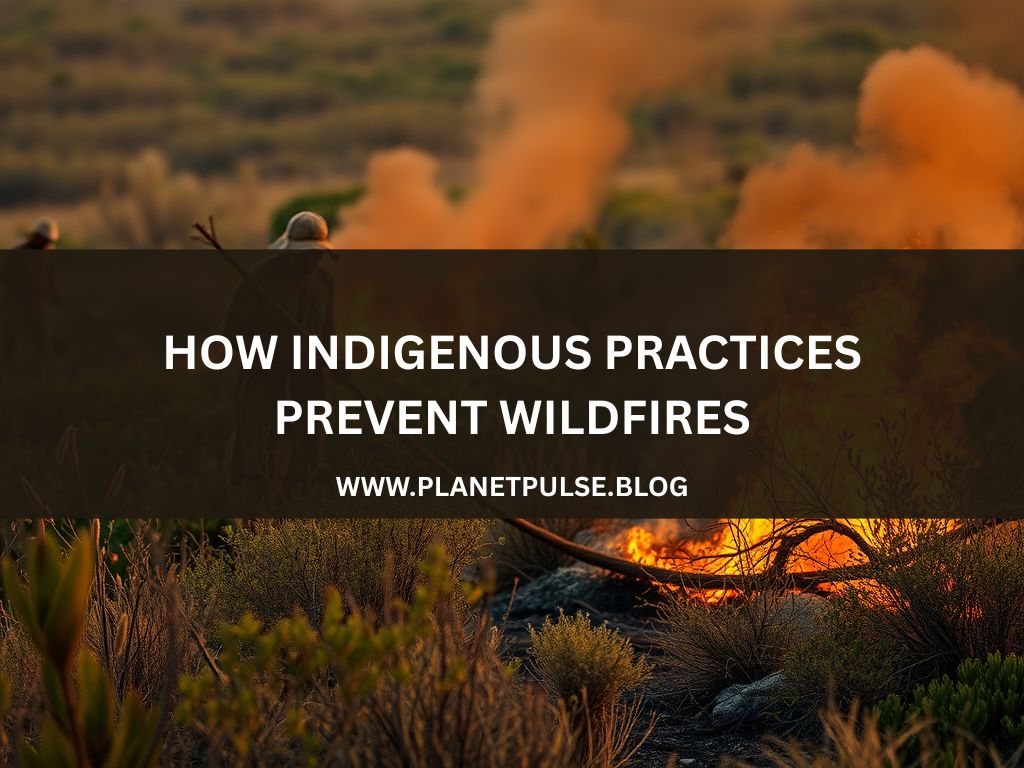
Wildfires have become more frequent and severe due to climate change, poor land management, and fire suppression policies. However, long before modern firefighting methods, Indigenous peoples worldwide had developed sophisticated land management techniques, especially the use of controlled or cultural burns.
This article explores how Indigenous communities in Australia, the United States, Canada, and Brazil have managed fire for centuries, offering us lessons in resilience, sustainability, and environmental harmony.
In this Article
What Is Indigenous Fire Management?
Indigenous fire management refers to the use of controlled, intentional burning by Indigenous communities to shape ecosystems, prevent large wildfires, and sustain traditional ways of life. These low-intensity burns are often seasonally timed, landscape-specific, and passed down through generations.
Key benefits include:
- Reducing wildfire fuel loads.
- Promoting regrowth of fire-adapted species.
- Enhancing soil and water retention.
- Preserving cultural and spiritual practices.
Unlike Western fire suppression, which often leads to overgrown forests and larger fires, Indigenous burning is proactive and preventative.

Case Studies: Ancient Wisdom in Practice
Australia: Aboriginal “Cool Burning” in the Northern Territory
For over 60,000 years, Aboriginal Australians have practiced “cool burning,” also known as cultural burning. A technique involving low-intensity fires during the early dry season. These burns are cooler, slower-moving, and do not harm tree canopies or animal habitats.
The West Arnhem Land Fire Abatement (WALFA) project in the Northern Territory has become a global model. In partnership with Indigenous rangers, this program uses traditional burning practices to reduce greenhouse gas emissions and wildfires.
The WALFA project aims to reduce the frequency and severity of late dry season fires in order to reduce greenhouse gas emissions through early dry season burning that crates firebreaks. This limits the frequency and size of late season wildfires.
California, USA: The Karuk and Yurok Tribes Revive Cultural Burns
Before colonisation, Native American tribes such as the Karuk and Yurok used fire to cultivate acorns, basket-making materials, and hunting grounds. Colonisation and fire suppression policies outlawed these practices, leading to overgrown forests and explosive wildfires.
Now, after decades of advocacy, cultural burns are making a comeback. The Karuk Tribe see themselves as part of the land and have used prescribed fires in the past as part of their cultural practice. Working with the U.S. Forest Service on co-management schemes, the tribe has conducted cultural burns to regenerate tanoak trees (crucial for acorns) and reduce fuel loads. These projects have shown measurable improvements in soil health, biodiversity, and fire resilience.
Canada: First Nations Leadership in Fire Management
In Canada, Indigenous fire stewardship is being revived to address increasing wildfire threats, especially in British Columbia and Alberta. Communities like the Secwepemc Nation have long used fire to manage berry bushes, hunting corridors, and to prevent fuel build-up.
Amazon, Brazil: Patchwork Burning by Indigenous Forest Guardians
Indigenous groups in the Amazon, such as the Kayapo have traditionally used mosaic-pattern burns around their villages to clear brush, grow crops, and reduce the risk of larger forest fires. These small, controlled burns create a checkerboard of regrowth areas that naturally limit fire spread.
In areas where Indigenous rights are respected and land is protected, satellite imagery shows dramatically fewer large wildfires. Studies have shown that Indigenous-managed lands in the Amazon experience fewer fires than neighbouring deforested zones.
| Region | Community | Practice | Outcomes |
|---|---|---|---|
| Australia | Aboriginal Australians | Cool burning during dry season | fewer wildfires, GHG emission reductions |
| California, USA | Karuk & Yurok Tribes | Cultural burning for ecosystem restoration | Soil recovery, acorn production, reduced fuel load |
| Canada | Secwepemc, Xwisten | Seasonal burns for berries and wildlife corridors | Biodiversity boost, safer forest structure |
| Amazon, Brazil | Kayapo, Xavante | Patchwork mosaic burns near villages | Lower fire risk, sustainable agriculture, forest health |
Why Indigenous Fire Practices Matter Today
1. Prevent Catastrophic Wildfires
Controlled burns reduce the build-up of dry vegetation known as fuel load that can feed large, destructive wildfires. Indigenous burns are frequent and targeted, making it harder for fires to get out of control.
2. Promote Ecosystem Health
These fires help regenerate native plants, clear invasive species, and support animal habitats. In many cases, biodiversity actually increases after Indigenous-led burns.
3. Restore Cultural Connections
Fire is not only a land management tool but a cultural practice. Reviving these traditions empowers Indigenous communities and preserves intergenerational knowledge tied to land stewardship.
4. Cost-Effective and Sustainable
Compared to modern suppression methods, which can be expensive and reactive, Indigenous burning is proactive and more affordable in the long run.
Challenges in Integrating Indigenous Knowledge
Despite the proven effectiveness of Indigenous fire practices, there are barriers to wider adoption:
- Legal restrictions on controlled burns.
- Limited recognition of Indigenous knowledge in formal forestry policies.
- Loss of traditional knowledge due to colonization and cultural displacement.
- Public perception that all fire is destructive.
How Can We Support Indigenous Fire Stewardship?
1. Include Indigenous Voices in Fire Policy
Governments and land agencies must partner with Indigenous communities, respecting their leadership and knowledge in fire planning.
2. Educate the Public
Changing how we view fire, from a destructive force to a natural, necessary part of many landscapes helps build support for cultural burning.
3. Create Collaborative Fire Programs
Blending Western science with Indigenous knowledge can lead to powerful co-management strategies, like those already underway in parts of Australia and the U.S.
Frequently Asked Questions
How is cultural burning different from controlled burning done by governments?
Cultural burns are usually smaller, more frequent, and timed according to traditional ecological knowledge. They focus on long-term ecosystem care rather than just fire suppression.
Is it safe to burn land like this?
Yes, when done correctly. Indigenous burns are carefully managed, often done in cooler, wetter seasons, reducing the risk of fires spreading uncontrollably.
Can these practices be used in urban or suburban areas?
While more challenging, some areas near wildland-urban interfaces are exploring safe, low-risk burns under Indigenous guidance.
Are governments adopting these techniques?
Slowly, yes. Countries like Australia and the U.S. have started incorporating Indigenous practices into wildfire prevention programs.
Conclusion
As climate change accelerates, the wisdom of Indigenous fire stewards becomes more vital. These practices, grounded in centuries of observation and respect for nature, offer sustainable, proven methods for wildfire prevention and ecological balance.
By uplifting Indigenous voices, protecting land rights, and funding community-led fire programs, we can reduce catastrophic wildfires and build a more resilient, harmonious relationship with our planet.




 Planet Pulse
Leave a comment