

In this Article
Around the world, reports about extreme weather events—from destructive storms and floods to heatwaves that break records—are becoming more frequent. Not only do these occurrences affect our day-to-day existence, but they also present serious hazards to economies, ecosystems, and communities. It is essential that we understand extreme weather. This knowledge enables us to anticipate, lessen, and adjust to these fatal events.
Definition and Types of Extreme Weather
Extreme weather events are characterised by their intensity and rarity compared to typical weather patterns. They can have far-reaching effects on both natural and human systems. Here’s a closer look at the various types:
1. Hurricanes and Cyclones
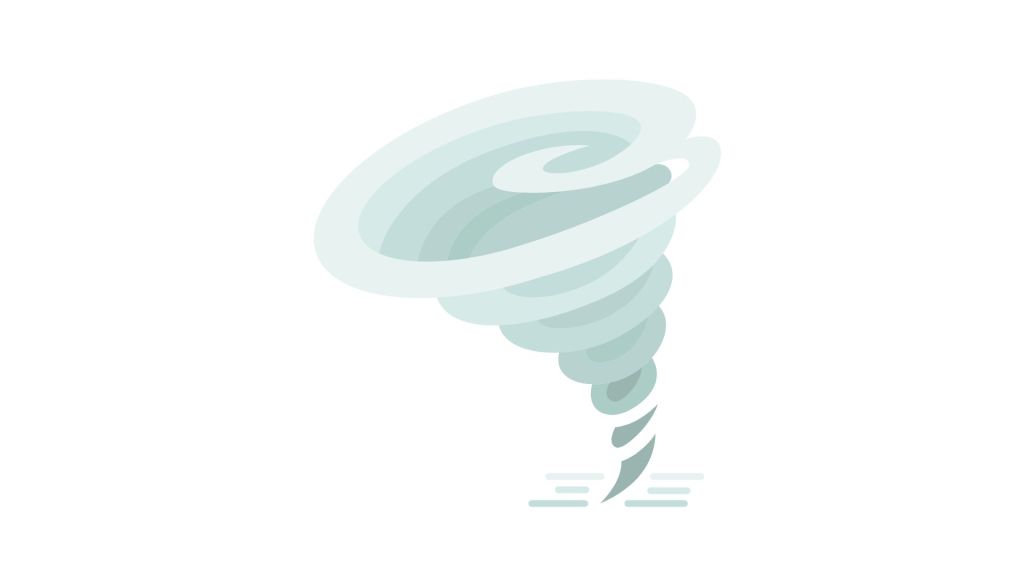
Hurricanes (in the Atlantic Ocean) and cyclones (in the Indian and South Pacific Oceans) are severe tropical storms.
They have strong winds, torrential rain, and storm surges. They form over warm ocean waters and can cause significant damage, including flooding, wind damage, and coastal erosion.
The intensity of these storms is classified into categories, with Category 5 being the most severe. Rising water temperatures and shifting climate patterns are causing these storms to become more frequent and intense.
2. Heatwaves
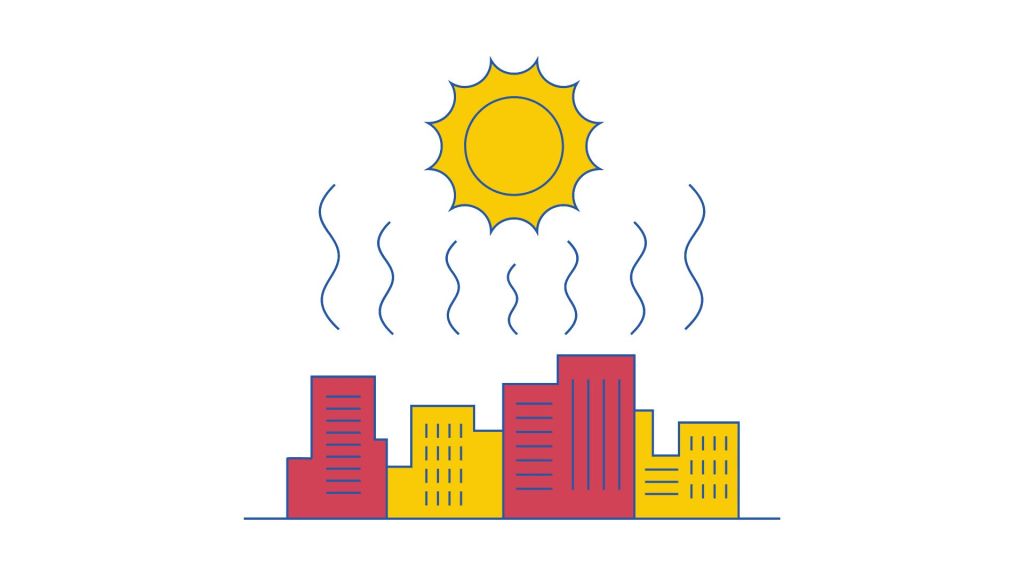
Heatwaves are extended periods of extremely high temperatures that can cause major health problems like heat exhaustion and heatstroke.
High humidity can worsen these symptoms, making the heat feel even more intense. Heatwaves can strain electrical grids, raise the risk of wildfires, and cause drought conditions.
Climate change is contributing to more frequent and severe heatwaves, making it critical to deploy heat adaptation and mitigation strategies.
3. Droughts

Droughts occur when there is a prolonged lack of precipitation, causing water scarcity. This has serious implications for agriculture, water supply, and ecosystems.
Droughts can cause crop failures, restrict water availability for drinking and sanitation, and raise the risk of wildfires.
Understanding drought trends and implementing efficient water management measures are critical to mitigating their impact.
4. Heavy Rainfall and Flooding
River flooding, coastal flooding, and flash flooding can all result from heavy rainfall. When water floods into normally dry terrain from rivers, lakes, or the ocean, it causes flooding.
Flooding can result in destruction to property, fatalities, and disturbances to communities.
Urban areas are more susceptible to flooding when their drainage systems are inadequate. To reduce these effects, efficient flood management and readiness are essential.

5. Severe Storms and Tornadoes

Tornadoes, hailstorms, and thunderstorms are examples of severe storms. Due to their ability to produce severe destruction along their path, tornadoes are very devastating natural disasters.
Severe storms can cause power outages, property damage, and dangerous circumstances. They can bring hail, strong gusts, and a lot of rain.
Our capacity to anticipate severe storms has increased. Our ability to react to them has also improved. Both of these advancements are due to improvements in weather forecasting and early warning systems. Readiness is nonetheless essential to lessening their effects.
Conclusion
Extreme weather events are a growing concern due to their increasing frequency and intensity, driven in part by climate change. By understanding the various types of extreme weather, their causes, and their impacts, we can better prepare for these challenges. We can also respond more effectively. Building resilience through effective planning is essential for mitigating the effects of extreme weather. Infrastructure improvements and community awareness are also crucial for protecting both people and the environment.




 Planet Pulse
Leave a comment