
In this Article
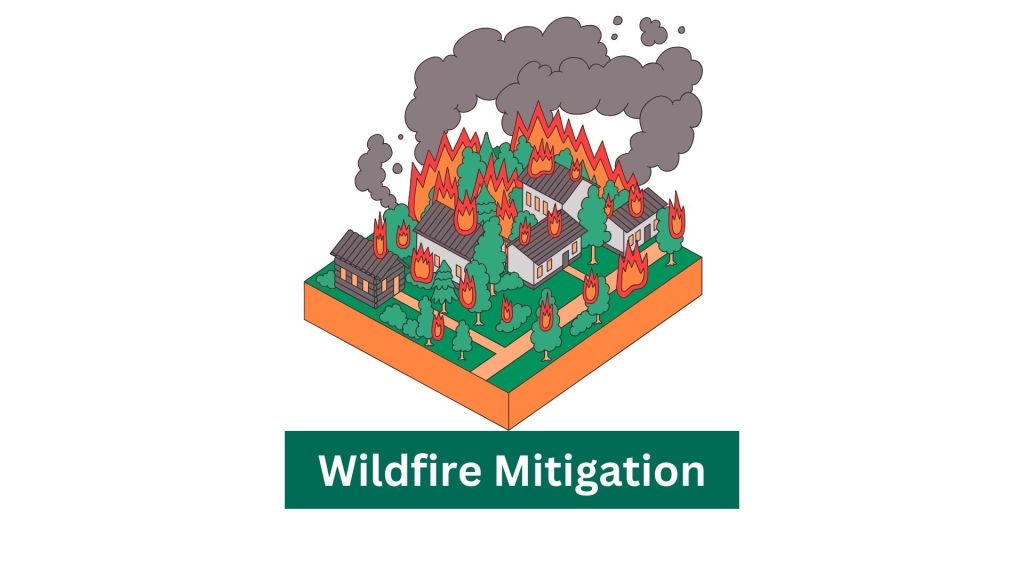
In this part of the “Wildfire Unleashed” series, we focus on prevention and mitigation, two important topics that are sometimes overlooked by the direct effects of wildfires. Prevention methods aim to eliminate or reduce the likelihood of the hazard occurring. Whilst mitigation strategies aim to minimise the hazard impacts. It is becoming more and more obvious that taking preventative measures is essential to preserving our ecosystems and communities as we’ve looked at the effects these catastrophic disasters have on the environment, human health, property, economy, and society.
Understanding the Context
Prior to discussing preventive and mitigation tactics, it is important to recognise the complex web of issues that wildfires present. From the environmental devastation and health risks to property and economic damages, the far-reaching consequences demand a comprehensive solution.
To gain a deeper understanding of the preceding discussions on the environmental impact, health implications, property and infrastructure damage, economic impacts, air travel disruptions, and the psychological and social effects of wildfires, click here to explore the complete “Wildfire Unleashed” series.
Building Resilience
The possibility of wildfires cannot be completely eliminated, but with careful preparation and preventative actions, we can lessen their damage. Our first line of defence is to develop resilience on several levels.
Fire Management Strategies
To keep wildfires under control, effective fire management is crucial. Managed fires aid in lowering fuel loads, early warning systems facilitate prompt action, and cooperative efforts amongst communities and organisations enhance overall resilience. We can actively control the fire risk and lessen the possible damage by implementing these tactics.
Proactive Prevention Strategies
A vital strategy in the fight against wildfires is prevention. Proactive steps that can drastically lower the risk of wildfires include establishing defensible zones around homes, putting strategic land-use planning into practice, and using building materials that are resistant to fire. Initiatives from the community itself bolster our combined defence against this natural hazard.
Public Awareness and Education
Increasing public awareness is essential to preventing wildfires. Media and social media channels, in conjunction with educational initiatives in schools and communities, can disseminate important information. Successful awareness campaigns’ case studies demonstrate how well-informed communities can lessen the chance and severity of wildfires.
Wildfire Preparedness for Individuals
Families and individuals need to take a proactive approach to being prepared for wildfires. Resilience on a personal and community level can be increased by creating disaster supply kits, creating family emergency plans, and taking part in training programmes. It’s critical to comprehend evacuation tactics and routes in order to protect loved ones amid a wildfire catastrophe.
To help guide your personal preparedness, this Wildfire Safety Guide by Cutter Law offers practical tips for reducing health risks and staying safe during wildfire events.
Policy Measures and Regulations
Government policies and regulations are crucial tools in the battle against wildfires. Crucial actions include evaluating current rules, promoting thorough regulations, and upholding the law. Since wildfires frequently cross national boundaries and necessitate a coordinated strategy to prevention and management, international collaboration is becoming more and more important.
In summary, addressing the wildfire situation necessitates a comprehensive strategy. We can all work together to create a safer future by comprehending the science underlying wildfires, establishing sensible legislation, encouraging public awareness, and adopting efficient management and prevention techniques. The process of navigating the flames is continuing, but with persistent work, we may create resilient communities that can weather the upcoming flaming difficulties.




 Planet Pulse
Leave a comment