

In this Article
Earthquakes are a natural phenomenon that are unpredictable, thus, they can strike at any moment. These powerful events can cause significant damage to property, infrastructure, and even lives. To ensure your safety and that of your loved ones, it’s crucial to be well-prepared for earthquakes. In this post, we’ll guide you through the essential steps to earthquake preparedness.
Causes of Earthquakes
Before we delve into preparedness, let’s understand the causes of earthquakes. These geological events occur due to the movement of tectonic plates beneath the Earth’s surface. These plates can converge (move towards each other), diverge (move away from each other), or slide past each other. These movements cause stress along the plate boundaries, that is eventually released as seismic energy, leading to an earthquake.

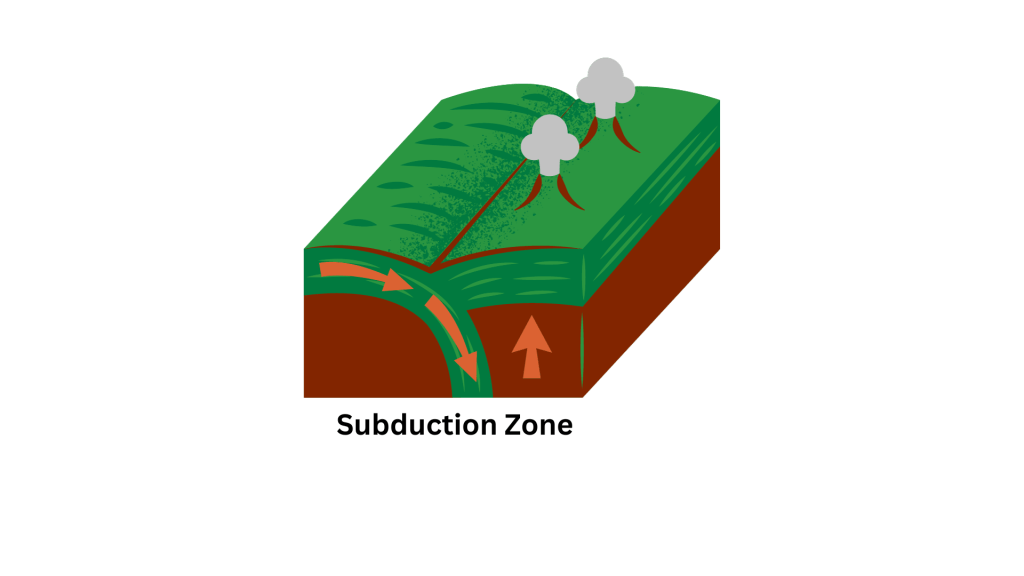
Another cause earthquake is subduction zones, which are areas where one tectonic plate is forced beneath another, leading to pressure and friction of plates. When this friction exceeds resistance, it is suddenly released. This results in a powerful earthquake.
Moreover, fault lines are weakness in the Earth’s crust where tectonic forces cause rocks to break and slip past each other. Earthquakes often occur along fault lines when the stress along them reaches a critical point. The starting point deep inside the Earth’s crusts id the ‘focus’ of the earthquake and the point right above it on the surface is the ‘epicentre’ where the shaking is the strongest.
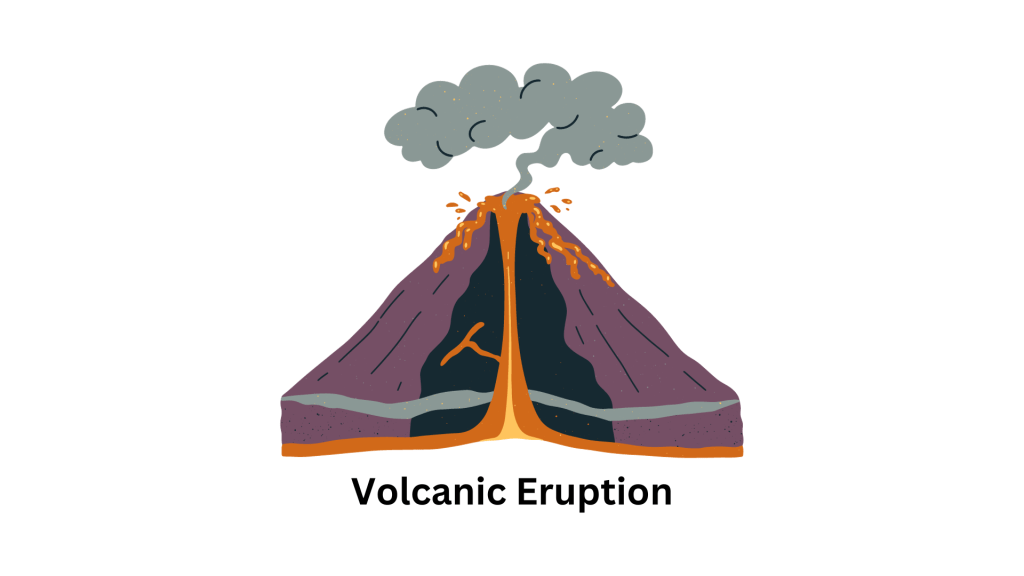
Furthermore, volcanic activity is also associated with earthquakes. As magma rises to the surface, it causes the rocks abound it to fracture and create earthquakes. This type of earthquake is less powerful but can still be destructive in volcanic regions. In addition, certain human activities such as mining, hydraulic fracturing for oil and gas extraction can also lead to earthquakes.
Effects of Earthquakes
Earthquakes can manifest in various ways, each with its own set of consequences. Ground shaking, measured on magnitude and intensity scales, can damage buildings and infrastructure. Surface rupture can cause displacement along fault lines, affecting communities. Additionally, secondary effects like tsunamis, landslides, liquefaction, and aftershocks can compound the damage.
Earthquake Preparedness
Creating an Earthquake Emergency Kit: Start by assembling an emergency kit that includes food, water, first aid supplies, communication tools, and personal documents.
Developing an Emergency Plan: Create a family emergency plan that outlines communication strategies and evacuation routes.
Securing Your Home and Belongings: Retrofit your home for earthquake resistance and secure heavy objects to prevent them from causing harm during shaking.
Educating Yourself and Your Community: Participate in local earthquake drills and exercises and consider joining community response teams.
Responding to an Earthquake
During an earthquake, remember to “Drop, Cover, and Hold On.” Stay indoors if possible, and if you must evacuate, do so cautiously. After the shaking stops, check for injuries, assess structural damage, and use emergency communication methods. Don’t forget to help others in need, providing first aid and assisting neighbours and community members.
Recovery and Rebuilding
In the aftermath of an earthquake, government and humanitarian aid organizations step in to provide assistance. Long-term damage is assessed, and reconstruction efforts focus on rebuilding infrastructure and restoring essential services. Psychological and emotional support services are also essential for coping with trauma and stress.
Conclusion
Earthquake preparedness is not an option; it’s a necessity. By following the steps outlined in this post, you can significantly increase your chances of staying safe and resilient in the face of an earthquake. Remember that preparedness is an ongoing effort, and staying informed and ready is the key to protecting yourself, your family, and your community. Explore the additional resources and organizations dedicated to earthquake safety for further guidance.




 Planet Pulse
Leave a comment