
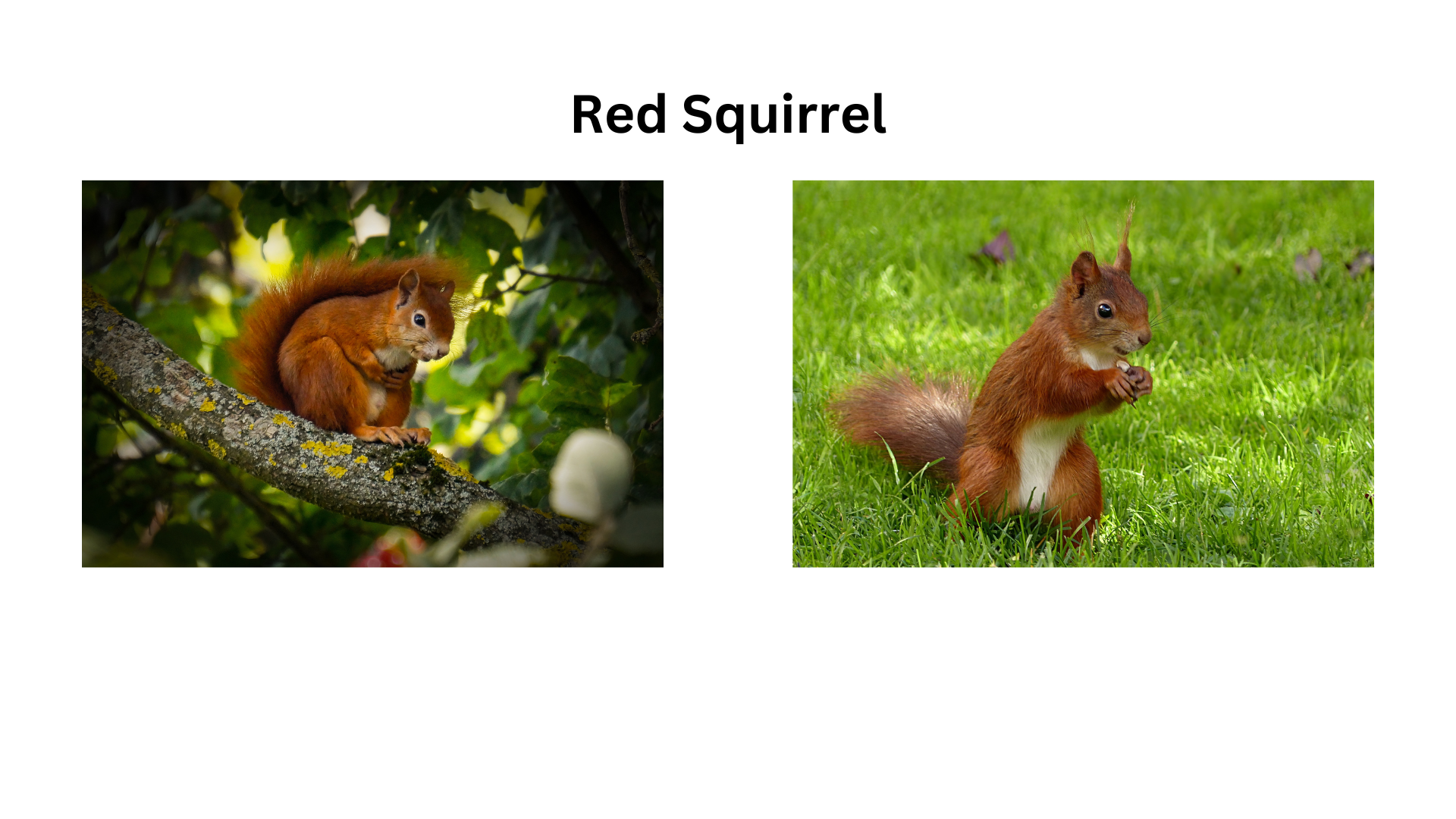
Discover how conservation efforts and legislation play a vital role in protecting the endangered red squirrel population. Learn about the threats they face and the actions being taken.
The red squirrel, scientifically known as Sciurus vulgaris, is a beloved native species in the UK. However, its survival is under threat due to various factors, including the introduction of the invasive grey squirrel (Sciurus carolinensis) in the 1890s.
In this article, we will explore the challenges facing red squirrels, the tireless efforts to conserve them and the crucial role that legislation plays in their protection.
In this Article
The Threats to Red Squirrels
Red squirrels are facing a multitude of threats that have pushed them to the brink of extinction in some areas of the UK:
Competition with Grey Squirrels: One of the most significant threats to red squirrels is the competition for resources with invasive grey squirrels. Grey squirrels outcompete their red counterparts for food and habitat, leading to a decline in red squirrel populations.
Squirrel Poxvirus (SQPV): SQPV is a deadly disease that affects red squirrels. Grey squirrels can carry the virus without being impacted themselves, making them potential carriers and transmitters of the disease. This poses a significant threat to red squirrels’ survival.
Habitat Destruction: Grey squirrels exacerbate habitat destruction by gnawing at tree stems to access tree sap. This damages trees and disrupts the red squirrel’s habitat, further endangering their population.
Conservation Efforts for Red Squirrels
Efforts to protect red squirrels are multifaceted and involve various stakeholders and organizations. These efforts include:
Habitat Management: Organisations like the Wildlife Trust and the Royal Society for the Protection of Birds (RSPB) engage in habitat management to create suitable environments for red squirrels.
Grey Squirrel Control: Conservation programs aim to control grey squirrel populations in areas where red squirrels are at risk. This includes trapping and humane culling to reduce competition and disease transmission.
Community Engagement: Organisations like The People’s Trust for Endangered Species work closely with local communities to raise awareness about red squirrels and encourage conservation efforts.
Captivity Breeding: Captive breeding programs have been established to breed and release red squirrels into the wild, boosting their populations in certain areas.
The Role of Legislation in Red Squirrel Protection
The Wildlife and Countryside Act 1981 plays a crucial role in protecting red squirrels and other wildlife in the UK. This legislation:
Lists Species for Protection: The Act includes schedules listing species that receive legal protection. Section 9 specifically protects red squirrels from harm or killing.
Enforcement: Various organisations and authorities enforce the Act, investigating and prosecuting those who harm or kill protected species.
Amendments: The Act has been amended over the years to address new challenges and provide better protection for wildlife.
Sustainable Development: The Act contributes to sustainable development by balancing conservation efforts with socio-economic needs, ensuring that the environment is protected for future generations.
Conclusion
Protecting the red squirrel is not only a matter of conservation but also a testament to our commitment to preserving biodiversity. Efforts from multiple stakeholders and the Wildlife and Countryside Act 1981 are crucial in ensuring the survival of this iconic species. As we continue to learn and adapt, we can hope that the red squirrel’s future will be one of recovery and resilience in the face of adversity.







Leave a Reply