
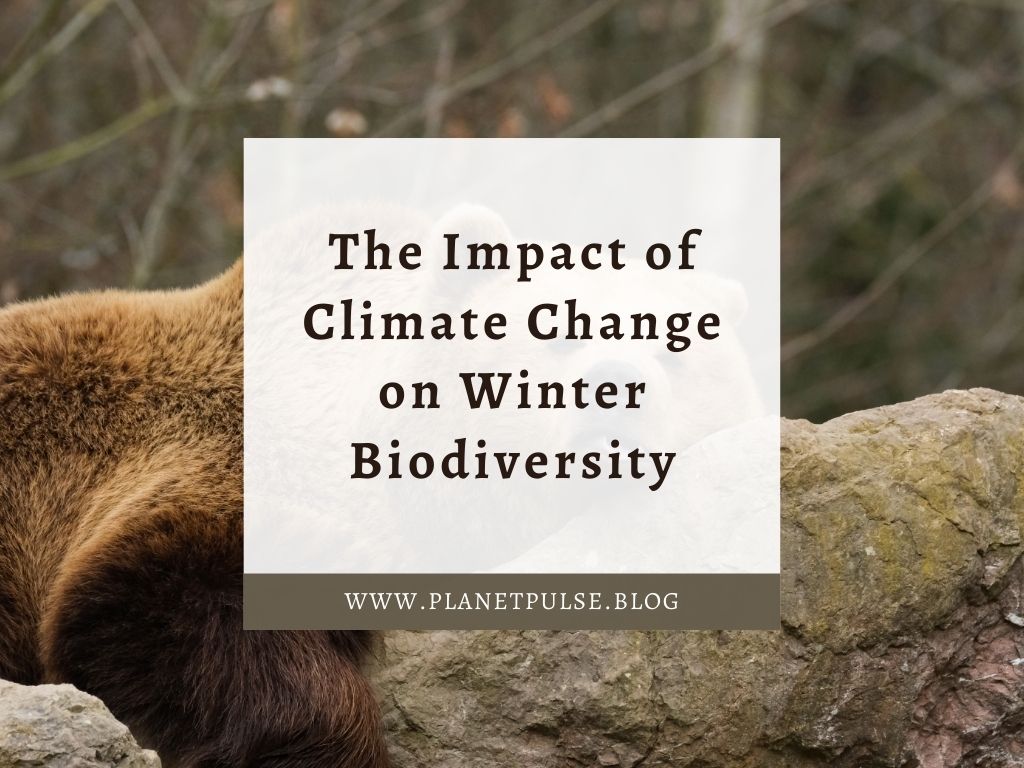
Winter is one of nature’s most challenging seasons. As temperatures sink, daylight fades, and food becomes scarce, ecosystems face great pressure. However, this season also demonstrates resilience. Species around the world have developed incredible techniques to survive the coldest months of the year, including hibernation, migration, and innovative physical and behavioural adaptations.
Understanding winter biodiversity is not just fascinating, but also necessary. As these seasonal survival tactics alter ecosystems, influence food webs, and affect how wildlife adapts to a constantly changing environment. As winters become less predictable, the delicate balance on which species rely is put at risks.
This article investigates how animals, plants, and insects survive the winter and how climate change is altering their odds of survival.
In this Article
The Ecological Challenges of Winter
Winter changes the environment in ways that test animals’ limits. This is because food sources decline when plants die, insects disappear, and prey becomes more difficult to locate. Water freezes, snow covers the ground, and energy demands soar as temperatures drop.
These restrictions result in a straightforward but brutal equation for wildlife as their main focus is to preserve energy, find food, or perish. Over thousands of years, organisms have evolved three primary coping strategies, which includes hibernation, migration, and staying put with specialised adaptations.
What is Hibernation?
Hibernation is one of the most recognisable winter survival tactics, yet it is sometimes misinterpreted. True hibernation results in a significant drop in body temperature, heart rate, and metabolism. When food is scarce, animals go into a profound, long-term slumber to conserve energy.
There are also similar states, such as:
- Torpor: A short-term, mild form of hibernation used by bats, hummingbirds, and some rodents.
- Brumation: A type of dormancy unique to reptiles that is triggered by cold temperatures.
These states enable animals to endure months on little nourishment, relying instead on stored fat reserves.
Species that Hibernate
Here are some species that hibernate during the winter:
- Mammals: Hedgehogs curl into insulated nests, bats congregate in caves, and ground squirrels have body temperatures close to freezing.
- Amphibians: Some frogs can withstand being partially frozen because their blood contains natural “antifreeze” molecules.
- Insects: Butterflies, ladybirds, and bees go into diapause, which is a halted developmental stage that shields them from cold.
Why Hibernation Matters for Biodiversity
Hibernators perform important functions in ecosystems. Their survival ensures spring pollination, seed distribution, and predator-prey balance. Disruptions to hibernation cycles can effect entire food webs.
Migration
While some species slow down for winter, others take to the skies, seas, or land in search of more favourable conditions. This means that migration is driven by:
- Food availability
- Breeding needs
- Temperature thresholds
- Daylight cues
It’s an energy-intensive strategy, but for many species, it’s the only way to survive.
Iconic Migrator
- Birds: Arctic terns migrate from pole to pole, while geese and songbirds use old flyways to reach warmer climates.
- Mammals: Caribou do some of the world’s longest land migrations, while whales move thousands of km to calving areas.
- Insects: Monarch butterflies migrate across North America, relying on successive generations to finish their journey.
The Cost of Migration
Migration requires precise navigation, favourable weather, and safe stopover habitats. Any disruption, such as storms, habitat loss, or shifting seasons, can dramatically reduce animal survival rates.
Physical and Behavioural Adaptations
Not all species migrate or hibernate. Many remain active throughout winter, relying on specialised adaptations to cope with the cold. This includes:
Physiological Adaptations
- Insulation: Animals such as foxes, deer, and birds develop thicker fur and feathers.
- Fat storage: Bears, seals, and other small mammals accumulate fat reserves for warmth and energy.
- Antifreeze proteins: Certain fish and insects produce proteins that keep ice crystals from accumulating in their tissues.
- Seasonal camouflage: Arctic hares and ptarmigans change white to blend in with snow-covered surroundings.
Behavioural Adaptations
- Food caching: In the autumn, squirrels and jays stockpile nuts and seeds, in order to survive.
- Sheltering: Badgers and rabbits retire to tunnels, while beavers reinforce lodges for insulation.
- Warmth grouping: Penguins snuggle together tightly, whilst honeybees cluster around their queen to keep the hive temperature stable.
These adaptations demonstrate the diversity of winter survival techniques as well as the creativity of organisms that continue to thrive under adverse conditions.
Climate Change: New Pressures on Winter Wildlife
Climate change is reshaping winter in ways that threaten biodiversity. Warmer temperatures, unpredictable weather, and shifting seasons are disrupting the finely tuned survival strategies species depend on.
Warmer Winters and Ecological Mismatch
Many species use temperature and sunshine cues to time hibernation, migration, and breeding. Warmer winters may cause:
- Early awakening from hibernation
- Mistimed migrations
- Insects hatch before plants blossom
- Birds coming before food sources become available
These mismatches can cause famine, decreased reproduction, and population decline.
Freeze–Thaw Instability
More frequent freeze–thaw cycles damage plant tissues, destroy insect eggs, and reduce snow cover that many species rely on for insulation.
Habitat Loss and Fragmentation
Migration corridors are shrinking due to urbanisation, agriculture, and infrastructure. Snow-dependent species, like the snowshoe hare, are losing the camouflage they rely on as snow cover becomes patchier.
Case Studies
- Reindeer: Struggle with ice layers forming over vegetation, making food inaccessible.
- Snowshoe hares: Face increased predation when their white coats no longer match the landscape.
- Overwintering insects: Experience higher mortality when warm spells interrupt diapause.
These pressures highlight how climate change is not just a summer issue as it’s reshaping winter survival as well.
Why Winter Biodiversity Matters
Winter biodiversity promotes ecological resilience. Dormant species, active predators, and overwintering insects contributes to:
- Nutrient cycling
- Soil health
- Spring pollination
- Predator-prey equilibrium
- Long-term ecosystem stability
Healthy winter ecosystems are better able to resist climate extremes and recover from environmental stressors.
How Conservation Efforts Support Winter Wildlife
Protecting winter biodiversity demands coordinated action:
- Habitat restoration: Includes rewilding, wetland protection, and forest management.
- Protecting migration corridors: Safeguarding flyways and wildlife crossings.
- Citizen science: Includes winter bird counts, wildlife tracking, and neighbourhood monitoring.
- Climate action: Reducing emissions to maintain stable winter conditions.
These attempts help organisms sustain the tactics that have evolved over millennia.
What Individuals Can Do
Small actions can make a huge difference:
- Leave leaf litter and dead wood to attract overwintering insects.
- Plant winter foods such as holly, ivy, and seed-bearing plants.
- Reduce garden disturbances throughout the winter months.
- Help conservation organisations and climate efforts.
- Reduce personal carbon footprints by making energy-efficient and ecological choices.
Winter wildlife relies on consistent, predictable seasons, and we all play a role in maintaining them.
Conclusion
Winter is a season of both struggle and great perseverance. From hibernating mammals to migrating birds and cold-adapted invertebrates, species have evolved complex tactics for surviving in the cold. However, climate change is changing these cycles, putting winter biodiversity under greater strain.
Understanding how animals survive winter, and how those methods are tested, provides insight into the broader effects of climate change on ecosystems. Winter wildlife protection is critical to preserving biodiversity throughout the year.






 Planet Pulse
Leave a comment