
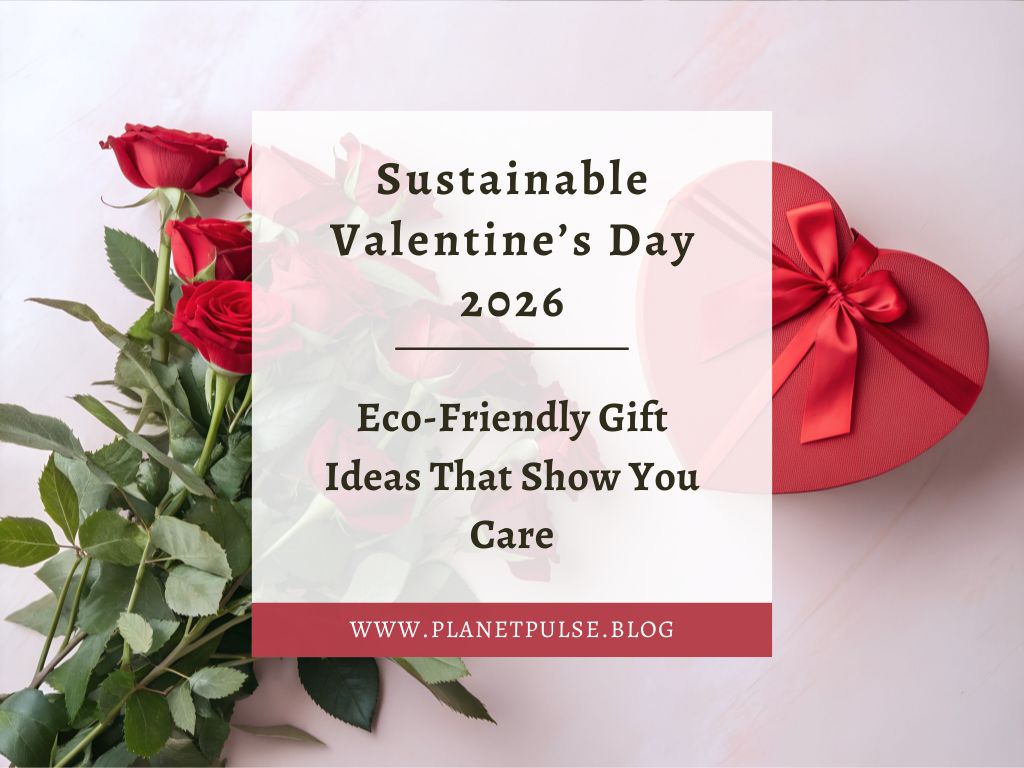
Valentine’s Day has always been associated with big gestures like towering bouquets of red flowers, velvet-lined chocolate boxes, and sparkling jewellery. However, as we approach 2026, the meaning of “romance” is experiencing tremendous change. Today’s couples are increasingly looking for ways to display their love without leaving a large carbon impact behind.
The conventional Valentine’s Day industry is infamous for its environmental impact, ranging from the large carbon emissions of air-freighted flowers to the plastic garbage produced by single-use packaging. Embracing a sustainable Valentine’s Day doesn’t mean giving less; it means giving more intentionally. It is about selecting presents that respect the environment and the people who make them.
In this article, we look at ways to celebrate love in an environmentally friendly way, with ethical delights, circular luxury, and experiences that generate memories rather than landfill waste.
In this Article
Ethical Indulgences: The New Standard for Chocolates
Chocolate remains the ideal Valentine’s Day gift, but not all chocolate is created equal. The traditional chocolate industry is frequently tied to deforestation and unethical labour abuses. In 2026, the most romantic box of chocolates will be one that is as thoughtful to the farmer as it is to your spouse.
What Makes Chocolate “Sustainable”?
When buying ethical sweets, check for these essential indicators:
- Fair-Trade Certification: Ensures farmers are given a liveable wage and work in a safe environment.
- Rainforest Alliance Certified: This means the cocoa was farmed in ways that promote environmental, social, and economic sustainability.
- Bean-to-Bar Artisans: These small-batch manufacturers frequently work directly with growers, ensuring complete supply chain transparency.
- Compostable Packaging: Many modern brands have switched from plastic trays to wood pulp liners and recycled paper cartons.
Timeless & Circular: The Rise of Recycled Jewellery
Jewellery is a symbol of constancy, making it popular on Valentine’s Day. However, traditional mining for precious metals and gemstones can have a negative impact on the environment. Circular jewellery is a great way to demonstrate your commitment to the future. Eco-friendly jewellery options include:
- Recycled Precious Metals: Using 100% recycled gold or sterling silver eliminates the need for fresh mining. These metals are processed from current jewellery or industrial sources without compromising their quality.
- Lab-Grown Diamonds: Chemically and physically equivalent to mined diamonds, lab-grown stones eliminate the ethical concerns of “conflict diamonds” while leaving a substantially smaller physical footprint.
- Upcycled Vintage: Nothing is more sustainable than an existing piece. Antique or vintage jewellery has a distinct history and conserves all new manufacturing energy.
- Ethical Gemstones: If you prefer natural stones, seek for firms that offer “mine-to-market” traceability, which ensures the gems were sustainably sourced.
Beyond the Bouquet: Botanical Gifts That Last
While a dozen red roses are traditional, they are frequently the least sustainable option as they cause the most environmental impacts. Most store flowers are cultivated with strong pesticides and shipped thousands of miles in refrigerated planes before withering in five days.
This means that for this Valentine’s Day, sustainable floral alternatives should be considered, such as:
- Native Potted Plants: Instead of fresh flowers, give a lovely indoor plant or a native outdoor shrub. It purifies the air and serves as a constant reminder of your affection.
- Dried Flower Arrangements: Professional “everlasting” bouquets are very popular this year. They do not require water and can be used to decorate a home for years rather than just days.
- Seed Paper Cards: Avoid the glitter-coated card, which cannot be recycled. Seed paper contains wildflower seeds; after the holiday, your companion can plant the card and watch the flowers blossom.
- Charitable Restoration: Consider making a donation in the name of your partner to a coral reef restoration project or a reforestation campaign.
Experience Over “Stuff”: Plant-Based Memories
One of the most efficient methods to reduce your environmental footprint is to shift away from tangible items and toward shared experiences.
2026 Experience Gift Ideas
- Farm-to-Table Dining: Reserve a table at a local restaurant that emphasises seasonal, locally sourced, and vegan ingredients. This promotes local agriculture and lowers “food miles.”
- Eco-Friendly Workshops: Spend the day learning a new skill together. Consider organic gardening workshops, zero-waste cooking sessions, or a pottery workshop with local clay.
- Nature Getaways: When arranging your trip, look for “Green Key” certified hotels or eco-resorts that use renewable energy and have rigorous waste-reduction programs.
- Digital Subscriptions: For a zero-waste present, try a subscription to a meditation app, a MasterClass, or a digital magazine about sustainability.
The art of eco-friendly presentation.
Valentine’s Day “trash” is frequently attributed to the wrapping. Glossy paper, plastic ribbons, and synthetic stuffing are often not recyclable. You can make the presentation part of the gift by selecting eco-friendly materials
Sustainable Wrapping Checklist:
- Recycled Kraft Paper: Dress up plain brown paper with twine and a sprig of dried lavender.
- Choose reusable tins or boxes for household storage.
- Natural Decorations: Replace plastic bows with cinnamon sticks, pinecones, or pressed leaves.
Why Green Valentine’s Ideas Matter in 2026
Choosing a green Valentine’s Day is more than just a trend; it reflects our shared duty. When we buy ethical chocolates, recycled jewellery, and plant-based experiences, we communicate to the market that we respect our planet’s health just as much as our personal relationships.
Sustainable gifts frequently have a greater narrative to share. They signify a commitment to the long term, similar to a healthy relationship. This year, make your gift reflect your values and ambition for a better future.


 Planet Pulse
Leave a comment