
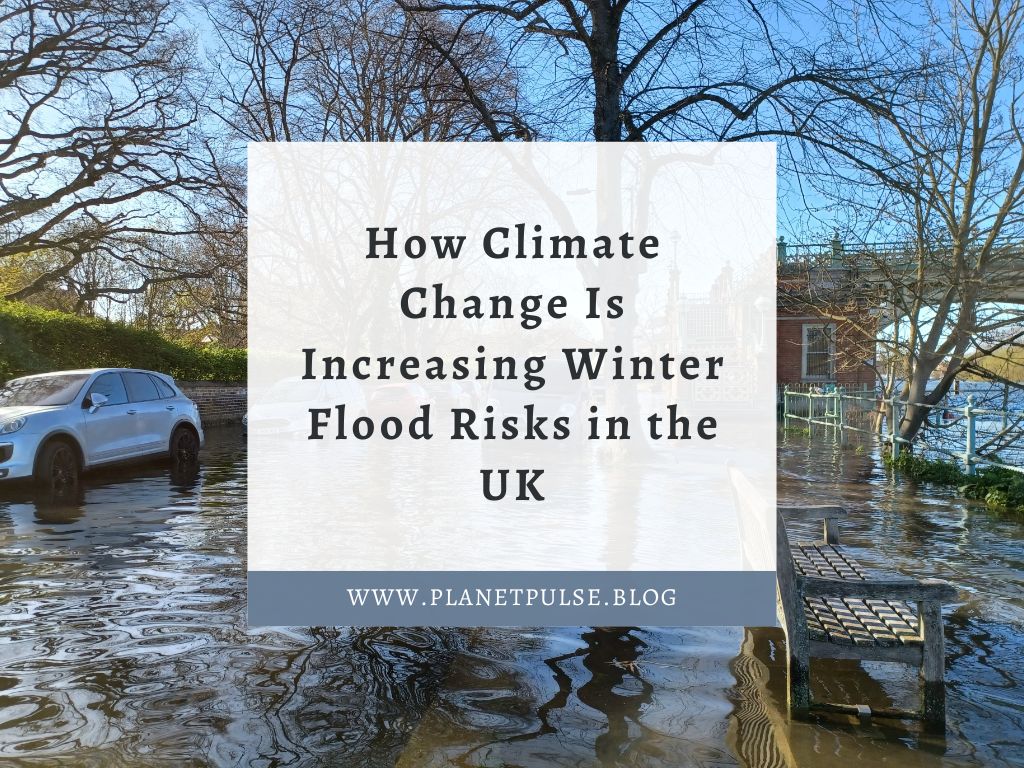
Winter flooding is not uncommon in the UK, but climate change is increasing the frequency and intensity of these events. Warmer air retains more moisture, resulting in more rainfall, while saturated rivers and ageing urban drainage systems struggle to keep up. Understanding how climate change floods are transforming the UK’s flood risk landscape is crucial for resilience planning in 2026.
In this Article
Rainfall Patterns
Climate models predict a significant rise in winter rainfall across the UK. The Met Office warns that winters are growing wetter, with more powerful downpours occurring over shorter periods of time. This change overwhelms both natural and constructed drainage systems, particularly in urban areas.
- Key Trends:
- Increased frequency of heavy rainfall events
- Longer wet spells with shorter dry intervals
- Regional disparities in precipitation intensity
River Saturation
Saturated river catchments contribute significantly to winter floods across the UK. When soil and riverbeds reach capacity, even mild rainfall can cause overflows. This is particularly problematic in low-lying, densely populated areas.
Urban Drainage
Urban areas face unique challenges. Impermeable surfaces like concrete and asphalt prevent water absorption, while aging drainage systems are often under-capacity. Climate change floods are exposing these vulnerabilities. Some of the drainage challenges include:
- Limited green infrastructure
- Blocked or undersized culverts
- Poor integration with floodplain management
UK Flood Risk Outlook for 2026
The UK faces significant challenges as climate change continues to intensify winter flooding. According to the Met Office UK Climate Projections (UKCP18), winters are projected to become up to 30% wetter by mid-century, with more frequent heavy rainfall events already being observed.
Furthermore, The Environment Agency’s Flood and Coastal Erosion Risk Management (FCERM) Strategy Roadmap to 2026 warns that 1 in 6 people in England are at risk from flooding, highlighting the urgent need for climate-resilient infrastructure.
Meanwhile, the Environment Agency’s Drought Prospects Report highlights the unpredictability of UK water systems, noting that without sufficient winter rainfall, the country could face widespread drought by 2026, a paradox that emphasises the extremes of climate change.
Finally, the National Infrastructure Commission’s Surface Water Flooding Study identifies a £1bn+ investment gap in flood resilience and drainage infrastructure, stressing the need for urgent upgrades to cope with climate change floods.
Frequently Asked Questions (FAQs)
Why is winter flooding increasing in the UK?
Climate change is driving heavier rainfall and warmer winters, which saturate rivers and overwhelm drainage systems.
How does climate change affect UK rainfall?
Warmer air holds more moisture, leading to more intense and frequent downpours, especially during winter months.
Which UK regions are most at risk of flooding in 2026?
South West England and Scotland face the highest flood risks due to increased rainfall intensity and river saturation.
What can be done to improve urban drainage?
Investing in green infrastructure, upgrading culverts, and integrating floodplain planning are key strategies.
How can residents prepare for winter floods?
Stay informed through flood alerts, prepare emergency kits, and ensure home insurance adequately covers flood damage.
Conclusion
Winter flooding in the UK is no longer a seasonal inconvenience but a climate emergency. As we look toward 2026, integrating climate literacy, upgrading infrastructure, and empowering communities must be top priorities. The time to act is now.






 Planet Pulse
Leave a comment