
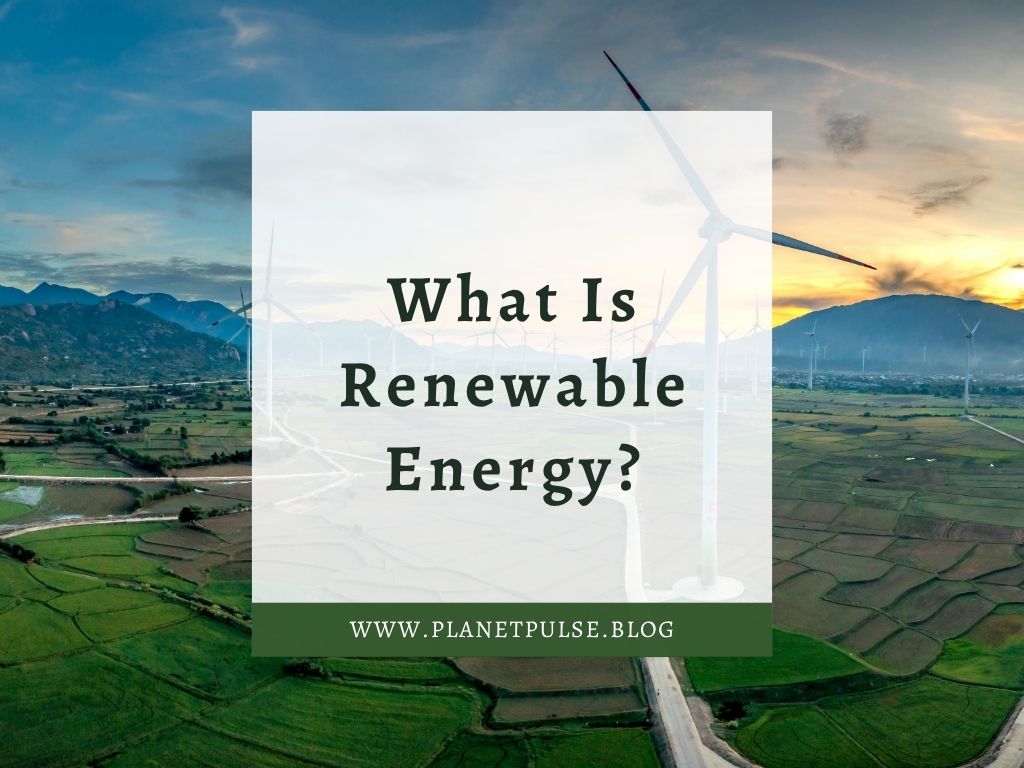
Renewable energy has become one of the most important topics of our time. Cleaner, sustainable power sources are becoming more popular as the world deals with rising emissions, climate change, and increasing energy demand. However, what is renewable energy really, and why is it so important for the future?
In this Article
What Is Renewable Energy?
Renewable energy comes from natural sources that replenish themselves continuously. Unlike non-renewable energy sources such fossil fuels that take millions of years to form, renewable sources are part of Earth’s ongoing natural cycles. The key characteristics of renewable energy are:
- Sustainable: They won’t run out on human timescales.
- Low‑carbon: They produce little to no greenhouse gas emissions.
- Widely available: Sunlight, wind, water, and heat exist almost everywhere.
In contrast, non‑renewable energy like coal, oil, natural gas is finite and carbon‑intensive, contributing heavily to global warming.
Why Renewable Energy Matters
Renewable energy’s significance extends well beyond environmental protection. This is because renewable energy promotes long-term energy security, stronger economies, and healthier communities. Clean energy cuts healthcare expenses and enhances public health by reducing air pollution.
Additionally, it generates millions of employment in maintenance, manufacture, installation and research. Renewable energy gives many nations more control over their energy systems by reducing reliance on imported fuels.
Moreover, there is a social component as renewable energy can provide electricity to underdeveloped or isolated areas, promoting economic growth, healthcare and education.
Types of Renewable Energy
There are different types of renewable energy sources. This includes:
Solar Energy
Solar energy is one of the fastest‑growing renewable sources. It functions by absorbing sunlight and transforming it into heat or energy. Solar thermal systems use the heat from the sun to heat spaces or provide hot water, whereas photovoltaic (PV) panels directly produce energy from sunlight.
Solar panels can be seen on streetlights, rooftops, big solar farms, and even portable chargers. Every year, the technology gets more affordable and effective, making it available to both homes and businesses.
Wind Energy
Wind energy generates power by turning turbines with the help of air movement. Offshore wind farms are situated at sea, where winds are stronger and more reliable, whereas onshore wind farms are constructed on land.
This makes wind energy one of the most economical sources of electricity in the world today. Due to the great efficiency of modern turbines, offshore wind in particular is starting to play a significant role in national energy plans.
Hydropower
One of the earliest and most dependable renewable energy sources is hydropower. It operates by spinning turbines with flowing water. While smaller run-of-river systems and micro-hydro projects assist rural or isolated areas, large dams can provide substantial amounts of electricity. Large dams can have an influence on the environment, therefore cautious design is necessary even if hydropower is reliable and efficient.
Biomass Energy
Organic resources like wood, vegetables and food waste are sources of biomass energy. These materials can be processed into biofuels, burnt for heat or transformed into power. Because the carbon absorbed during plant development balances the carbon released during usage, biomass can be nearly carbon-neutral when managed responsibly. It is crucial to rural energy systems and waste reduction.
Geothermal Energy
Heat stored under the Earth’s surface is accessed through geothermal energy. Buildings can be directly warmed by this heat or electricity can be produced from it. Geothermal energy is incredibly dependable since the Earth’s internal heat remains constant and is widely used in volcanically active nations like Iceland, but the technology is spreading throughout the world.
Emerging Renewable Technologies
New renewable energy sources are gaining traction in addition to the well-established ones. The ocean’s power is harnessed through tidal and wave energy. Green hydrogen, which is generated from renewable electricity, is becoming a clean fuel for heating, transportation and industry. Although these technologies are still in the early stages of development, they have a lot of promise for the future.
How Renewable Energy Works in Practice
In order to transform natural energy into useful power, renewable energy systems rely on technology. After it is produced, electricity needs to be connected to the grid and supplied to residences and commercial buildings. Batteries and pumped hydro are examples of energy storage that assist balance supply and demand, particularly for weather-dependent sources like solar and wind. Communities are increasingly implementing decentralised systems, including microgrids, which offer resilience and local control during blackouts.
Renewables vs Fossil Fuels
Renewable energy has a lower long-term environmental impact, produces significantly fewer emissions than fossil fuels, and is getting cheaper every year. While renewable energy sources are naturally replenished and becoming more affordable, fossil fuels are limited and prone to price fluctuations. This change is changing energy markets and spurring international investment.
Challenges and Limitations
Although powerful, renewable energy has drawbacks. Storage and grid upgrades are crucial because solar and wind power depend on the weather. Land and careful environmental planning are necessary for large projects. Many areas still require infrastructure investment. But innovation is quickly resolving these problems and the general trend is evident that renewable energy sources are becoming increasingly dependable, efficient and reasonably priced.
The Future of Renewable Energy
The future is bright and increasingly green. This is because of the trends shaping the next decade, such as:
- Rapid growth in solar, wind, and battery storage.
- Global climate policies accelerating clean energy adoption.
- Smart grids and digital technologies improving efficiency.
- Green hydrogen emerging as a major clean fuel.
Individuals, communities and businesses also plays an important role in this transition.
How Individuals Can Support Renewable Energy
Supporting renewable energy doesn’t require major lifestyle changes. Practical actions like:
- Choosing a green energy tariff
- Improving home energy efficiency
- Installing solar panels if feasible
- Supporting community energy projects
- Advocating for clean energy policies
- Learning and educating others about sustainability
Small actions, multiplied across millions of people can create powerful change.
Conclusion
Renewable energy is more than a technical solution, it is a pathway to a cleaner, healthier and more resilient world. By understanding how it works and why it matters, we can all play a part in shaping a sustainable future.



 Planet Pulse
Leave a comment