
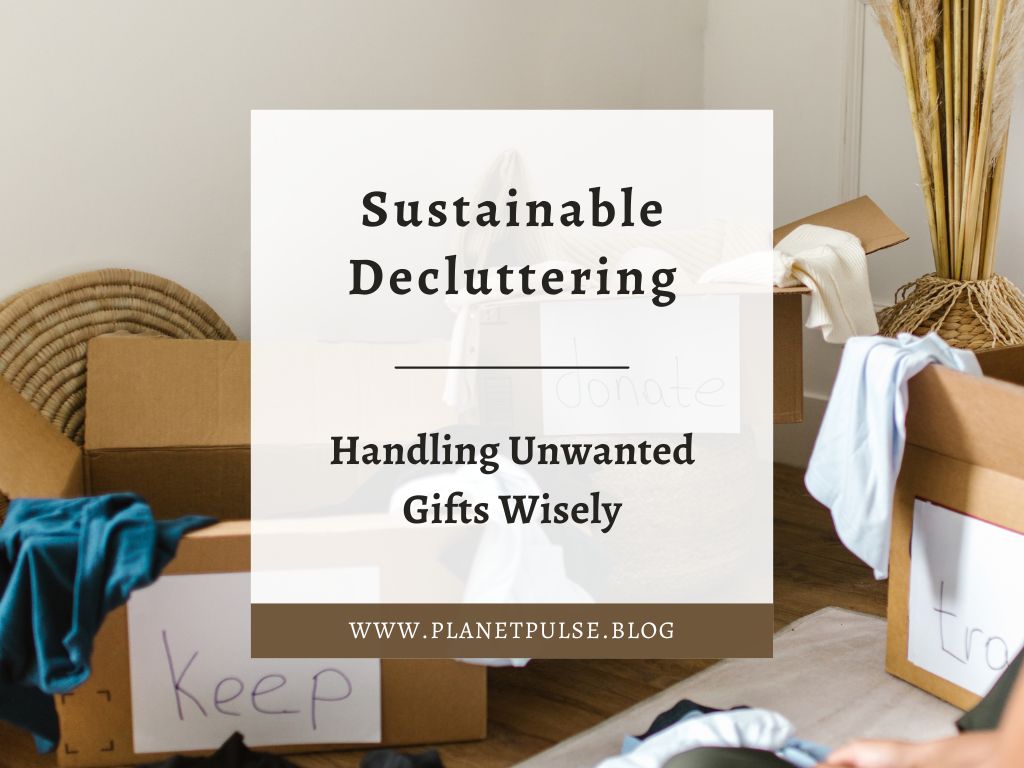
Birthdays, holidays, and celebrations invariably involve piles of packaging and unwanted gifts. Even while these products frequently have good intentions, they can have a big negative influence on the environment. Sustainable decluttering provides a thoughtful, environmentally responsible way to handle these items rather than letting them collect dust or end up in landfills.
This article teaches you how to reduce waste and adopt a more circular lifestyle while handling unwanted gifts and packaging in a sensible, guilt-free manner.
In this Article
Pause Before You Purge
Think for a moment before you rush to get rid of something. The first step in sustainable decluttering is intention. Consider asking yourself the following questions:
- In the next six months, will I actually use this?
- Is there another use for this thing that I haven’t thought of?
- Is there another person who would genuinely appreciate it?
This delay promotes more deliberate decision-making and helps avoid impulsive disposal.
What to Do With Unwanted Gifts
1. Return Carefully
Regifting is sustainable, thus it’s not a bad thing. The secret is to do it carefully.
- Select individuals who will actually appreciate the gift.
- To avoid unpleasant situations, keep track of who gave you what.
- Make a little “regift box” for upcoming charity raffles, holidays, and birthdays.
Regifting prolongs an item’s life and cuts down on needless consumption.
2. Donate With Intention
Donating is a great way to give items a second life, but it’s important to match items with the right recipients. Consider:
- Local charities and community shops
- Women’s shelters
- Refugee support organisations
- Schools, nurseries, or community centres
Always ensure the items are clean, functional, and in good condition. Thoughtful donations help communities while keeping waste out of landfills.
3. Sell or Swap
If the item is new or high‑quality, selling or swapping can be a great option.
Where to Sell:
Vinted
eBay
Facebook Marketplace
Depop
Where to Swap:
Local swap events
community groups
Online platforms
This keeps items circulating within the community and supports a more circular economy.
4. Upcycle or Repurpose
Sometimes an undesirable present only requires a new purpose. Try:
- Making storage pots out of candle jars.
- Repurposing fabric items to make cleaning cloths.
- Making DIY hampers out of gift packages.
- Arranging stationery with decorative tins.
Upcycling reduces waste while fostering innovation.
What to do with Excess Packaging
1. Reuse First
Many packaging materials can be reused multiple times. For example:
- Sturdy boxes can be used for storage or posting parcels.
- Keeping tissue paper, ribbons, and gift bags can be used to package future gifts.
- Create a “gift wrap drawer” to stay organised.
Reusing packaging reduces the need to buy new materials and cuts down on waste.
2. Recycle Correctly
Recycling rules can be confusing, but getting it right makes a big difference. Here are some tips to help you recycle properly:
- Check recycling symbols on plastics.
- Remove tape from cardboard.
- Avoid recycling glittery or metallic wrapping paper.
- Separate mixed‑material packaging such as plastic tape from cardboard boxes.
Proper recycling ensures materials can be processed efficiently.
3. Compost what you can
Certain packaging can be composted. But it’s crucial to remember that not everything can be composted. Among the things that can be composted at home are:
- Cardboard, that is non‑greasy
- Paper tags
- Natural twine
Check local regulations as industrial-compostable packaging typically requires special facilities.
4. Get Creative with Reuse
Packaging can be surprisingly useful. Here are some ideas on how to reuse packaging:
- Use boxes for drawer dividers.
- Turn cardboard into kids’ craft materials.
- Repurpose tissue paper for product photography.
- Use jars or tins for pantry storage.
This is also a great opportunity to create content props for your blog or social media.
How to Prevent Future Wate
Sustainable decluttering is more than just what you do after receiving gifts; it also includes preventing unnecessary items from entering your home in the first place. Try communicating your choices with loved ones, by:
- Creating wish lists to guide gift-giving.
- Suggesting experience-based gifts.
- Establishing “no-gift” agreements for occasions.
- Using sustainable gift wrap and packaging for personal gifts.
These small steps help reduce future clutter and encourage more mindful consumption.
Conclusion
Making thoughtful decisions that are good for the environment and for you is what sustainable decluttering is all about. You can minimise trash and promote a more circular lifestyle by intentionally recycling, donating, reusing, and regifting. As every small action contributes to a greener, more mindful way of living.





 Planet Pulse
Leave a comment