
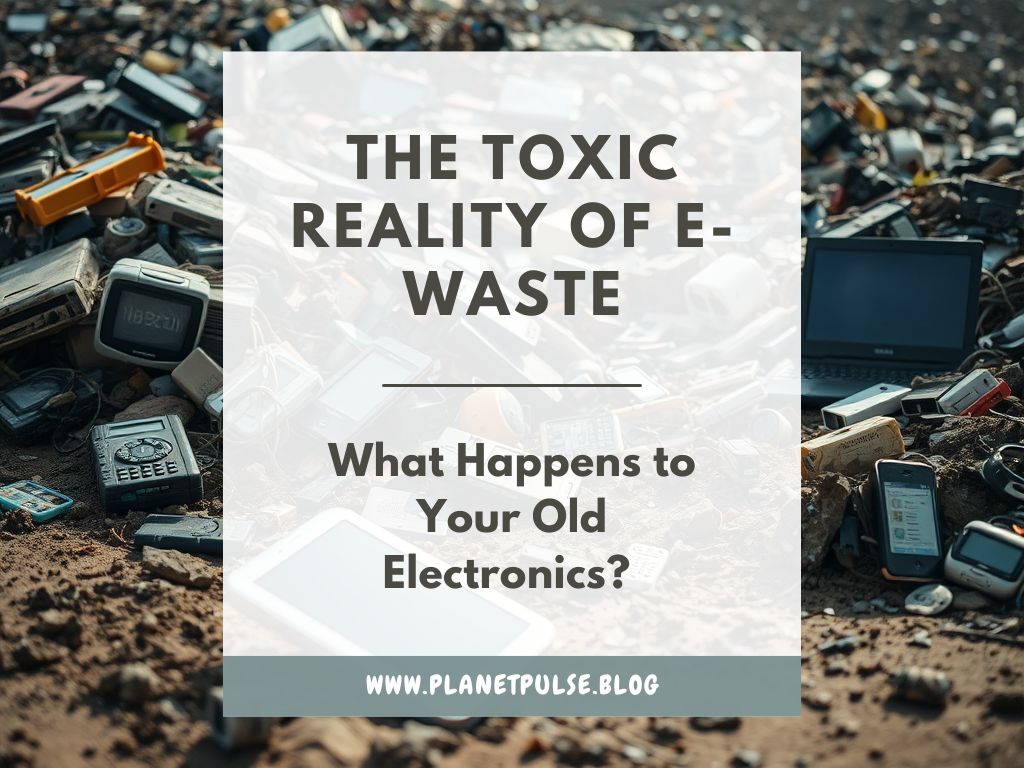
Every year, millions of tons of electronic waste, or e-waste is generated around the world, much of it ends up in landfills or is shipped overseas. As technology advances and consumers upgrade devices more frequently, the environmental and health consequences of discarded electronics grow more serious.
So, what really happens to your old phone, laptop, or television after you toss it? And why should you care? Let’s explore the toxic journey of e-waste, and what we can do about it.
In this Article
What Is E-Waste and Why Is It a Problem?
Electronic waste refers to discarded electrical or electronic devices. This includes everything from smartphones and TVs to printers, batteries, and kitchen appliances.
The problem? E-waste is one of the fastest-growing waste streams globally, and it’s packed with toxic materials that can leach into soil and water, threatening ecosystems and human health.
The Lifecycle of E-Waste
Once you dispose of your electronics, they may follow one of several paths:
| 1. Recycling | 2. Export to Developing Countries | 3. Landfill or Incineration |
|---|---|---|
| Devices are taken to certified recycling centres. | Some e-waste is illegally exported to places like Ghana, India, or Nigeria. | Devices tossed in regular trash end up in landfills or incinerators. |
| Valuable metals like gold, copper, and palladium are extracted. | There, informal recycling operations use unsafe methods like burning wires to retrieve metals. | Toxins like lead and mercury contaminate air, water, and soil. |
| Components are reused or properly disposed of. |
Toxic Materials Found in E-Waste
E-waste isn’t just a clutter problem, it’s a hazardous waste issue. Electronic devices contain a range of toxic heavy metals, flame retardants, and other hazardous chemicals that can cause serious environmental damage and health problems if not properly handled.
When e-waste is improperly dismantled, incinerated, or dumped in landfills, these substances can leach into soil and groundwater, or be released into the air, contaminating ecosystems and affecting nearby communities.
Here’s a breakdown of the most harmful materials commonly found in e-waste:
| Substance | Used In | Health Impact | Environmental Risk |
|---|---|---|---|
| Lead | Monitors, batteries, solder in circuit boards. | Neurotoxin that affects brain development, especially in children. Causes cognitive impairment, kidney damage, and reproductive problems. | Leaches into groundwater, making drinking water unsafe. |
| Mercury | Flat-screen displays, switches, fluorescent lamps in older electronics. | Affects the nervous system, particularly harmful to unborn babies and young children. Can also damage the kidneys and immune system. | Mercury accumulates in the food chain, particularly in fish, posing risks to entire ecosystems. |
| Cadmium | Rechargeable batteries, circuit boards, semiconductors. | Carcinogenic and can cause kidney and lung damage. Inhalation is dangerous for workers in informal recycling sectors. | Contaminates soil and water, affecting plant life and entering the food chain. |
| Arsenic | Older semiconductors, LEDs, and cathode-ray tube (CRT) displays. | Toxic even in small amounts; causes skin lesions, cancers, and lung disease. | Extremely persistent in the environment and accumulates in food crops. |
| Brominated Flame Retardants (BFRs) | Plastic casings of electronics, cables, circuit boards to reduce fire risk. | Endocrine disruptors that can affect thyroid hormones and reproductive health. Also linked to behavioural and developmental problems in children. | BFRs don’t break down easily and can accumulate in soil, water, and animal tissues. |
| Polyvinyl Chloride (PVC) | Cable insulation, device housings. | When burned, releases dioxins, which are carcinogenic and affect the liver and immune system. | Airborne pollutants persist in the environment and cause long-term ecological damage. |
| Beryllium | Connectors, springs, motherboards. | Inhalation can cause chronic beryllium disease (CBD), a debilitating lung condition. | Toxic to aquatic organisms when it enters waterways. |
| Phthalates | Flexible plastics, wiring insulation. | Associated with hormone disruption, developmental issues, and fertility problems. | Persistent organic pollutants that can bioaccumulate in wildlife. |
Global E-Waste Management
Electronic waste is a global issue, but countries vary widely in how they manage it. Factors like legislation, infrastructure, public awareness, and economic development all play a role in determining outcomes.
| Country | E-Waste Policy | Recycling Infrastructure | Common Issues |
|---|---|---|---|
| USA | No specific law that governs e-waste. As of now, 25 U.S. states have their own e-waste laws | Limited certified e-waste centers | Export to developing countries |
| EU | Strict WEEE Directive mandates producer responsibility | Strong collection and recycling systems | High awareness and compliance |
| India | Rules introduced in 2011 and updated in 2022 | Growing formal sector, large informal | Unsafe processing in urban slums |
| Ghana | Minimal enforcement of import restrictions | Informal recycling, relies on burning and acid baths to recover metals | Agbogbloshie, one of the world’s toxic sites, with severe air, soil and water pollution |
Key Takeaways
- Regulation matters: Countries with strict policies and enforcement, like those in the EU, show better outcomes.
- The informal sector dominates in many developing nations, often at the cost of health and the environment.
- Global cooperation is essential, as e-waste doesn’t respect borders. Much of it is traded or exported across regions.
What You Can Do: Smart E-Waste Disposal Tips
- Donate old devices in working condition to schools, shelters, or charities.
- Recycle through certified e-waste centres or manufacturer take-back programs.
- Sell or trade-in your electronics through reputable platforms.
- Avoid hoarding old tech: declutter and dispose of it responsibly.
- Buy smart: choose energy-efficient, repairable, and upgradable products.
Frequently Asked Questions (FAQs)
Why is e-waste dangerous?
E-waste contains hazardous materials that can contaminate the environment and pose serious health risks, especially when improperly disposed of.
What should I do with my old electronics?
Recycle them at certified centers, donate them, or use manufacturer trade-in programs. Never throw them in the trash.
Are electronics really recycled or just dumped?
It depends on where you dispose of them. Using certified recyclers helps ensure safe, ethical recycling. Some improperly handled e-waste does end up dumped or burned.
What are the laws around e-waste disposal?
Regulations vary by country. The EU has strong directives (WEEE), while the U.S. relies mostly on state laws. Many developing countries lack adequate enforcement.
Conclusion
The toxic legacy of e-waste affects everyone, from workers in informal recycling sectors to the global environment. But we each have the power to make a difference. By making smarter choices and supporting responsible recycling, we can help turn today’s trash into tomorrow’s opportunity.
Ready to declutter responsibly? Search for certified e-waste recyclers in your area or visit your local electronics retailer for take-back programs.


 Planet Pulse
Leave a comment