
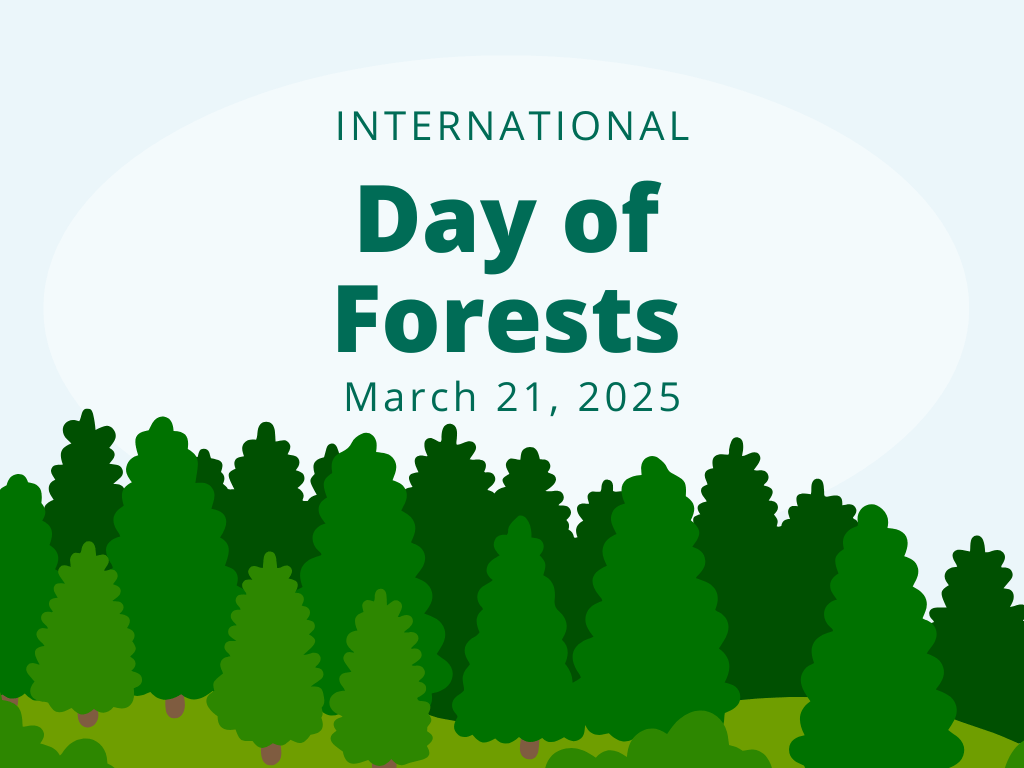
Every year on March 21, the world comes together to celebrate the International Day of Forests, recognizing the vital role forests play in sustaining life on Earth. In 2025, the theme is “Forests and Food”, highlighting how forests contribute to global food security, nutrition, and human well-being.
Forests do more than just provide fresh air and shelter; they are also a critical source of food, medicine, and sustainable livelihoods. From wild fruits and nuts to medicinal plants and edible fungi, forests support millions of people worldwide.
However, deforestation and unsustainable practices threaten these benefits. In this article, we explore the relationship between forests and food, their importance for climate and biodiversity, and how we can protect them for future generations.
In this Article
The Role of Forests in Food Security
Forests play a fundamental role in global food systems, providing both direct and indirect benefits.
Direct Food Sources from Forests
Forests supply a diverse range of nutritious foods that sustain millions of people, particularly in rural and indigenous communities. Fruits like mangoes, acai berries, and Brazil nuts are packed with essential vitamins and minerals.
Edible leaves such as moringa and baobab provide high levels of iron and fiber, while wild mushrooms offer protein and antioxidants. Honey collected from forest bees serves as a natural sweetener, supporting both nutrition and local economies.
Indirect Contributions to Agriculture
Forests do not only provide food but also play a crucial role in enhancing agricultural productivity. Tree roots prevent soil erosion and enrich the land with organic matter, making them a natural ally for farmers. Additionally, forests support pollinators such as bees, butterflies, and birds, ensuring that crops receive the necessary cross-pollination to thrive.
They also help regulate the water cycle, maintaining groundwater levels and ensuring stable moisture for farming. Moreover, forests act as climate buffers, protecting agricultural lands from droughts and extreme weather conditions.
How Forests Support Global Nutrition
The diversity of foods found in forests helps combat malnutrition by providing essential vitamins, minerals, and protein sources. Below is a comparison of nutrient-rich forest foods versus common cultivated crops:
| Forest Food | Key Nutrients | Health Benefits |
|---|---|---|
| Baobab Fruit | Vitamin C, fiber, calcium | Boosts immunity, aids digestion |
| Brazil Nuts | Selenium, healthy fats | Supports brain function, reduces inflammation |
| Moringa Leaves | Iron, protein, vitamin A | Enhances energy, supports healthy vision |
| Wild Mushrooms | Protein, antioxidants | Strengthens immunity, improves gut health |
These foods are especially important for remote and underdeveloped regions, where access to conventional agriculture is limited.
The Threats to Forests and Food Security
Despite their immense value, forests are under threat from deforestation, climate change, and industrial agriculture. The conversion of forests into farmland for monoculture crops (such as palm oil and soy) leads to biodiversity loss and soil degradation.
The Impact of Deforestation
Every year, millions of hectares of forest are cleared for agricultural expansion and urban development. This not only reduces the availability of wild foods but also disrupts entire ecosystems. Overharvesting of wild food sources, such as nuts, berries, and medicinal plants, can lead to species depletion, further endangering food security.
Climate Change and Forest Degradation
Rising global temperatures and erratic weather patterns are affecting forest ecosystems. Unpredictable rainfall disrupts plant growth cycles, while prolonged droughts reduce the productivity of trees and forest crops. Moreover, unsustainable farming practices degrade soil fertility, making it harder for both agricultural and forest-based food sources to thrive.
Solutions to Protect Forests and Food Resources
To protect our forests and ensure sustainable food production, we must adopt responsible agricultural and conservation practices. One of the most effective methods is promoting agroforestry, which integrates trees into farming landscapes to enhance soil health and biodiversity.
Sustainable harvesting of forest foods, supported by eco-friendly certification programs, ensures that communities can benefit from forests without depleting their resources. Additionally, restoring degraded lands through reforestation projects helps revive lost forest areas and secure food sources for future generations.
How You Can Help Protect Forests
Individuals, businesses, and governments all play a role in preserving forests. Here’s how you can contribute:
Making Sustainable Food Choices
One of the simplest yet most powerful ways to support forests is by making sustainable food choices. Opt for products that are certified sustainable, such as those bearing the Rainforest Alliance or Fair Trade labels.
By choosing foods that are responsibly sourced, you help reduce demand for deforestation-linked products such as palm oil, soy, and beef from cleared forestlands. Additionally, incorporating more forest-friendly foods like nuts, wild berries, and plant-based proteins into your diet can promote biodiversity-friendly agriculture.
Supporting Reforestation Efforts
There are numerous organisations dedicated to forest conservation and reforestation. By donating to these initiatives or participating in tree-planting programs, you can actively contribute to restoring degraded forest areas. Advocating for stronger environmental policies and supporting companies that prioritize ethical sourcing also helps protect forest ecosystems on a larger scale.
Raising Awareness and Educating Others
Spreading knowledge about the importance of forests in food security is crucial for long-term conservation efforts. By sharing information through social media, participating in sustainability discussions, or supporting eco-conscious businesses, you can help foster a more forest-friendly society. Simple actions such as reducing food waste and choosing eco-friendly packaging can also contribute to global sustainability efforts.
Frequently Asked Questions (FAQs)
Why is the 2025 theme “Forests and Food” important?
It highlights the crucial link between forests and global food security, promoting sustainable practices that ensure long-term benefits for both people and the planet.
How do forests help reduce world hunger?
Forests provide wild foods, enhance soil fertility, support pollination, and regulate water cycles, all of which contribute to sustainable food production.
What are some everyday foods that come from forests?
Bananas, cocoa, coffee, cashews, vanilla, and wild honey all originate from forest ecosystems.
How can I celebrate International Day of Forests?
You can plant trees, educate others, support forest-friendly products, and participate in conservation initiatives.
Conclusion
Forests are more than just trees—they are essential providers of food, medicine, and environmental stability. By recognizing their value and taking action to protect them, we can ensure a sustainable and food-secure future for generations to come.
Take Action Today! Share this article, support sustainable food choices, and participate in forest conservation efforts. Let’s make every day International Day of Forests!



 Planet Pulse
Leave a comment