
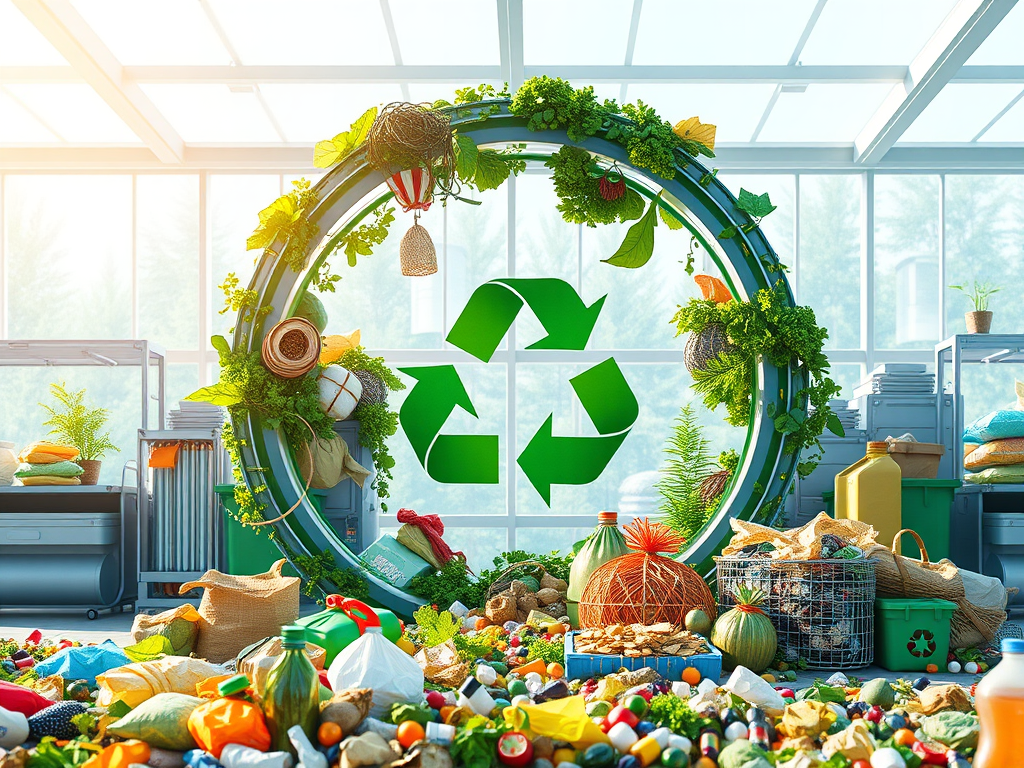
As global waste continues to rise, the need for sustainable solutions has never been more urgent. Traditional linear economies follow a “take, make, dispose” model, leading to excessive waste and resource depletion.
However, a circular economy focuses on minimising waste by reusing, recycling, and repurposing materials. This article explores cutting-edge recycling technologies and systems driving sustainability, paving the way for a greener future.
In this Article
What is a Circular Economy?
A circular economy aims to reduce waste by designing products and systems that keep materials in use for as long as possible. Instead of discarding products after one use, resources are continuously cycled through processes such as:
- Recycling: Breaking down used materials and transforming them into new products.
- Upcycling: Enhancing waste materials into higher-value products.
- Composting: Converting organic waste into nutrient-rich soil.
- Reuse & Repair: Extending product lifespans through maintenance and refurbishment.
By embracing these strategies, businesses and individuals can significantly reduce their environmental footprint.
Emerging Innovations in Recycling
1. AI-Powered Waste Sorting
Artificial Intelligence (AI) is revolutionising waste management by improving sorting efficiency. Traditional recycling relies on manual separation, leading to contamination and inefficiency. AI-driven sorting systems use:
- Machine Learning: Identifies and separates different materials with high accuracy.
- Robotic Arms: Picks out recyclables from mixed waste streams.
- Smart Bins: Detects materials and provides users with disposal guidance.
These advancements reduce contamination, increase recycling rates, and lower operational costs.
2. Chemical Recycling for Plastics
Unlike traditional mechanical recycling, chemical recycling breaks down plastics into their original molecular components. This allows:
- Recycling of low-quality or contaminated plastics that would otherwise end up in landfills.
- Production of virgin-quality materials from recycled waste.
- Reduction of fossil fuel dependency in plastic manufacturing.
3. Textile Recycling & Circular Fashion
The fashion industry generates 92 million tons of textile waste annually. Innovations in textile recycling include:
- Fiber-to-Fiber Recycling: Converts old clothes into new fabrics.
- Biodegradable Textiles: Made from natural, compostable materials.
- Digital Product Passports: Tracks the lifecycle of clothing to improve recyclability.
4. E-Waste Recycling & Metal Recovery
Electronic waste (e-waste) contains valuable materials like gold, silver, and rare earth metals. Advanced e-waste recycling technologies include:
- Hydrometallurgical Processing: Extracts metals using eco-friendly solvents.
- Urban Mining: Recovers precious metals from discarded electronics.
- Modular Design: Encourages easy repair and component reuse in gadgets.
5. Biodegradable & Smart Packaging
To reduce plastic waste, companies are investing in sustainable packaging solutions:
| Packaging Type | Features | Impacts |
|---|---|---|
| Edible Packaging | Made from seaweed & starch | Zero waste & fully biodegradable |
| Bioplastics | Derived from plant-based materials | Reduces reliance on fossil fuels |
| Smart Labels | Changes color based on product freshness | Minimizes food waste |
These innovations help reduce landfill waste and promote sustainable consumer habits.
Benefits of a Circular Economy
A well-implemented circular economy brings significant advantages, including:
- Environmental Benefits: Reduces landfill waste, lowers carbon emissions, and conserves natural resources.
- Economic Growth: Creates green jobs in recycling, remanufacturing, and eco-design.
- Consumer Savings: Encourages reuse and repair, reducing overall costs.
- Energy Efficiency: Lowers energy consumption compared to producing new materials from scratch.
Governments, businesses, and individuals must collaborate to scale these benefits worldwide.
How You Can Support Recycling & Circular Practices
1. Reduce & Reuse Before Recycling
- Choose reusable products over single-use plastics.
- Repair electronics, clothing, and household items instead of replacing them.
- Buy products with minimal or recyclable packaging.
2. Proper Waste Sorting
- Follow local recycling guidelines to reduce contamination.
- Rinse food containers before recycling to improve material quality.
- Participate in e-waste collection programs for safe disposal.
3. Support Sustainable Brands & Innovations
- Purchase from brands using recycled materials.
- Choose biodegradable packaging whenever possible.
- Advocate for corporate sustainability and hold businesses accountable.
4. Get Involved in Community Initiatives
- Volunteer for local clean-up drives and awareness campaigns.
- Support policies that encourage zero-waste solutions.
- Encourage businesses and governments to adopt circular economy principles.
Frequently Asked Questions (FAQs)
How does a circular economy differ from traditional recycling?
Traditional recycling focuses on breaking down materials for reuse, but a circular economy redesigns entire systems to eliminate waste at the source, encouraging reuse, repair, and sustainable production.
Can chemical recycling replace traditional plastic recycling?
Chemical recycling is more efficient for hard-to-recycle plastics, but it should complement mechanical recycling rather than replace it entirely.
How can individuals contribute to a circular economy?
By reducing waste, choosing reusable products, recycling correctly, and supporting eco-friendly brands, individuals play a vital role in transitioning to a circular economy.
Conclusion: The Future of Recycling is Circular
Recycling innovations are transforming waste management and helping build a sustainable circular economy. From AI-driven sorting to biodegradable packaging, these advancements reduce waste, conserve resources, and drive economic growth. However, the transition requires collective action from governments, businesses, and individuals.
📢 Take Action: Start making eco-conscious choices today! Share this post, support circular initiatives, and explore how you can contribute to a waste-free future. 🌍♻️





 Planet Pulse
Leave a comment