In this Article
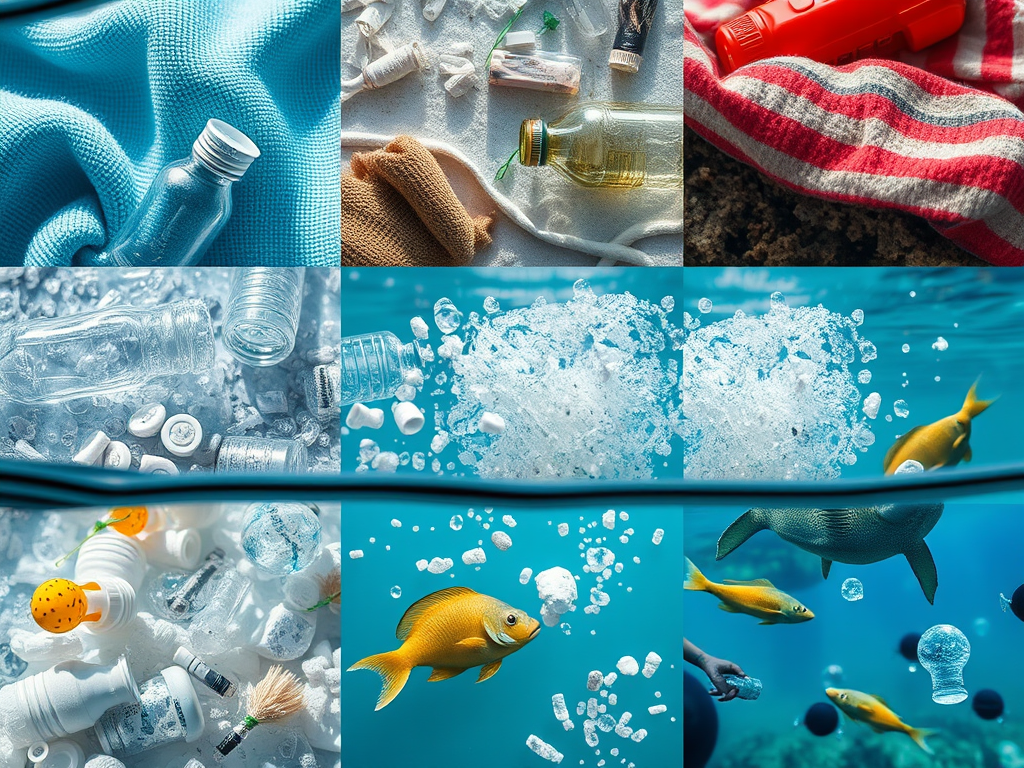
Microplastics are everywhere—lurking in the water we drink, the air we breathe, and even the food we eat. These tiny plastic particles, measuring less than 5mm, have infiltrated ecosystems and human bodies alike. But where do they come from, and how can we minimize our exposure to them?
In this article, we’ll break down the sources of microplastics, their impact on health and the environment, and practical ways to reduce exposure.
What are Microplastics?
Microplastics are tiny plastic particles that come from larger plastic items breaking down over time or from products that contain them intentionally. They are classified into two types:
- Primary Microplastics: Small plastic fragments intentionally added to products, such as microbeads in cosmetics and synthetic fibers from clothing.
- Secondary Microplastics: Particles that result from the breakdown of larger plastics due to UV exposure, ocean currents, or friction.
Where Do Microplastics Come From?
Here are the top sources of microplastic pollution:
1. Synthetic Clothing
- Polyester, nylon, and acrylic fabrics shed thousands of microfibers with each wash.
- A single load of laundry can release up to 700,000 microplastic fibers into wastewater.
2. Plastic Bottles & Packaging
- Plastic bottles can leach microplastics into water, especially when exposed to heat.
- Food packaging and plastic wrap contribute to ingestion through contaminated food.
3. Car Tires
- Tire wear releases rubber-based microplastics onto roads, which are later washed into waterways.
- Studies suggest tire particles make up 28% of microplastics in oceans.
4. Personal Care Products & Cosmetics
- Exfoliating scrubs, toothpaste, and some makeup contain plastic microbeads.
- The EU and several countries have banned microbeads, but they are still found in products worldwide.
5. Household Dust & Indoor Air
- Microplastics are airborne and can settle on food, furniture, and floors.
- Synthetic textiles and furniture contribute to indoor pollution.
6. Seafood & Salt
- Fish and shellfish often ingest microplastics, which end up on our plates.
- A study found that 90% of commercial table salt contains microplastics.
How Do Microplastics Affect the Environment & Our Health?
Environmental Impact
Microplastics are having a devastating impact on ecosystems and wildlife, particularly in the oceans and waterways. These pollutants are not only breaking down the environment but also threatening biodiversity in significant ways.
1. Marine Life and Ecosystems:
- Ingestion by Marine Species: Marine animals such as fish, sea turtles, and whales mistake microplastics for food. Ingesting these particles can cause physical harm, digestive problems, and malnutrition. In some cases, microplastics have been found in the stomachs of marine species that are a key part of the food chain.
- Toxicity to Aquatic Species: The microplastics themselves can contain harmful chemicals such as pesticides, heavy metals, and flame retardants. When consumed, these chemicals can accumulate in the tissues of animals, leading to toxic effects that can disrupt their growth, reproduction, and overall health. This not only affects marine life but also impacts humans who consume seafood.
- Disruption of Marine Ecosystems: Microplastics can alter marine ecosystems by affecting the behaviour and population dynamics of species. For example, studies have shown that microplastics can interfere with the feeding behaviour of filter-feeding species like zooplankton, which are a primary food source for many marine organisms.
2. Contamination of Waterways and Soil
- Rivers and Lakes: Microplastics are transported through the environment by rain, wind, and river currents. As they accumulate in rivers, lakes, and oceans, they pollute freshwater ecosystems and have been found in drinking water sources globally.
- Soil Contamination: Microplastic particles have been discovered in soil as well, where they interfere with soil health and plant growth. When microplastics are absorbed by plants, they can enter the food chain, affecting both wildlife and humans. Studies are still being conducted to fully understand the long-term effects on soil fertility and agricultural production.
3. Global Reach
- Microplastics are global pollutants that are found even in the most remote environments, from the Arctic to the deep sea. The widespread contamination is due to the fact that microplastics are persistent and do not biodegrade, accumulating over time and spreading across the globe through wind, ocean currents, and even rainfall.
Health Risks to Humans
While the full extent of microplastics’ effects on human health is still being studied, emerging research highlights several potential risks:
1. Ingestion and Exposure via Food
- Seafood Contamination: As microplastics enter marine food chains, they end up in the seafood we consume. In fact, studies have found that over 90% of shellfish samples contained microplastic particles. Similarly, fish fillets and seafood products often contain plastic particles that may not be visible to the naked eye but can be ingested by humans.
- Plastic in Salt: A study revealed that table salt contains significant amounts of microplastics, with one estimate suggesting that most people consume around 2000 microplastic particles through salt alone each year.
- Contaminated Drinking Water: Microplastics have been found in tap water, bottled water, and even in water from remote areas. Research suggests that ingesting microplastics may pose health risks, though the long-term effects are still unclear.
2. Potential Toxicity and Chemical Leaching
- Chemical Contaminants: Microplastics act as carriers for toxic chemicals, such as pesticides, phthalates, and heavy metals. These pollutants can leach into the environment when microplastics break down or are ingested. This can lead to endocrine disruption, fertility issues, and developmental problems in both wildlife and humans.
- Toxic Effects on Human Health: Research has shown that ingested microplastics may release toxic substances into the body, leading to inflammatory responses and potentially contributing to chronic diseases such as cancer. Some chemicals that adhere to microplastics, like BPA (Bisphenol A), have been linked to hormonal imbalances, fertility issues, and developmental problems in humans.
3. Respiratory Issues from Inhalation
- Airborne Microplastics: Microplastics are not just limited to water and food. These tiny particles are often carried through the air as dust, especially from synthetic textiles (such as polyester and nylon) or plastic degradation. Breathing in these particles can lead to respiratory issues and may exacerbate conditions like asthma and chronic respiratory diseases.
- Studies have found that indoor air contains high levels of microplastics, especially in homes with synthetic fabrics, carpets, or upholstered furniture. Prolonged exposure to airborne microplastics could potentially cause lung inflammation and long-term respiratory damage.
4. Potential Carcinogenic Effects
Although the evidence is still emerging, there are concerns that microplastics may contribute to cancer risk due to the toxic chemicals they carry. For example, BPA and polyaromatic hydrocarbons (PAHs) are known to be carcinogenic and are often found in plastic debris. These chemicals can accumulate in the body and may play a role in the development of cancer, particularly with prolonged exposure.
How to Minimize Microplastic Exposure
Reducing microplastic exposure requires lifestyle changes and informed choices. Here’s how you can protect yourself and the environment:
1. Choose Natural Fabrics
- Opt for cotton, wool, linen, and hemp over polyester and nylon.
- Use a microfiber-catching laundry bag to trap synthetic fibers in the wash.
2. Filter Your Water
- Use activated carbon or reverse osmosis filters to remove microplastics from tap water.
- Avoid bottled water: Studies found bottled water contains twice as many microplastics as tap water.
3. Reduce Plastic Use
- Carry a reusable water bottle made of glass or stainless steel.
- Avoid plastic-packaged foods and use beeswax wraps instead of plastic wrap.
4. Choose Microbead-Free Personal Care Products
- Check labels for ingredients like polyethylene (PE) and polypropylene (PP).
- Use natural exfoliants like oatmeal, coffee grounds, or sugar scrubs.
5. Improve Indoor Air Quality
- Dust and vacuum regularly using a HEPA-filter vacuum.
- Use an air purifier to reduce airborne plastic particles.
6. Support Policy Changes & Sustainable Brands
- Advocate for plastic reduction policies in your community.
- Choose eco-conscious brands that avoid plastic packaging and prioritize sustainability.
Frequently Asked Questions (FAQs)
Can microplastics be removed from the body?
Research is ongoing, but some studies suggest a high-fiber diet may help excrete microplastics more efficiently.
Are there any foods that don’t contain microplastics?
While contamination is widespread, organic, unprocessed, and unpackaged foods have lower plastic exposure.
Is bottled water safer than tap water?
No! Bottled water often contains more microplastics than tap water due to plastic leaching.
Final Thoughts: The Power of Small Changes
Microplastics may be everywhere, but that doesn’t mean we’re powerless. By making conscious choices such as filtering our water, reducing plastic waste, and supporting sustainable brands. We can reduce our exposure and help protect the environment.
Ready to make a change? Start today by switching to plastic-free alternatives and sharing this article to spread awareness!




 Planet Pulse
Leave a comment