
In this Article
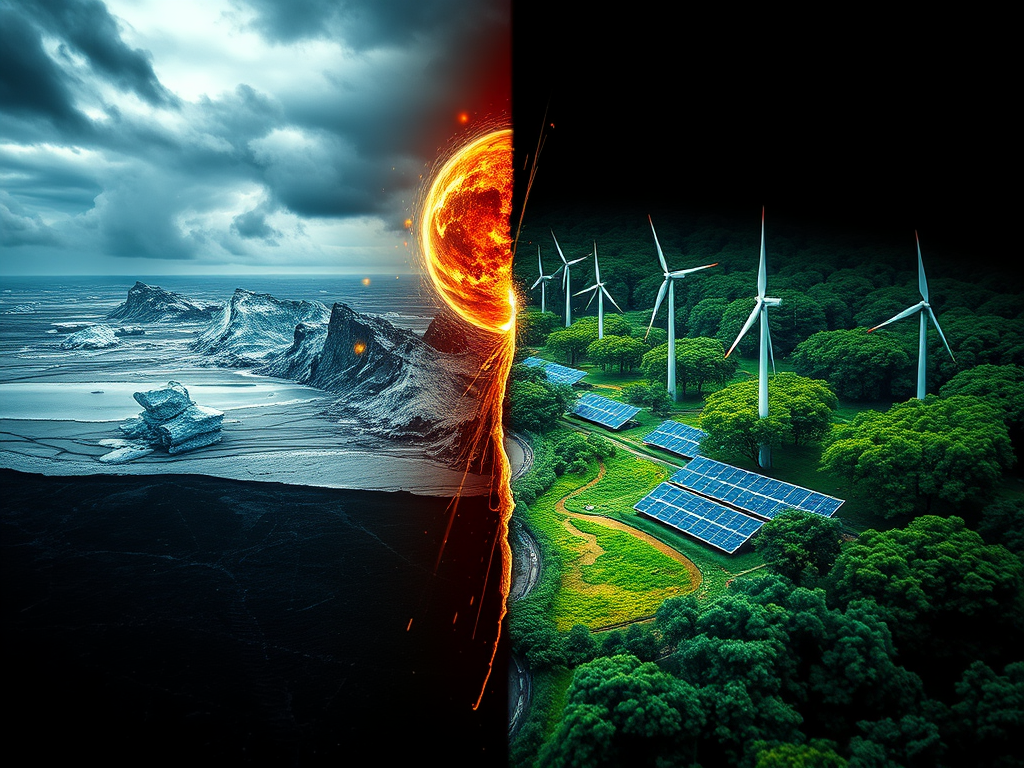
Climate change is no longer a distant threat; it’s here, and it’s happening now. From extreme weather events to rising sea levels, the effects of global warming are becoming more visible every day. You are likely already aware of the severity of this issue. However, it’s crucial that we all take action – not just through policy, but as individuals, businesses, and communities.
In this post, we’ll explore how climate change is impacting our planet. We’ll discuss the consequences it holds for future generations. Most importantly, we’ll look at what we can do about it.
The Science Behind Climate Change
Climate change refers to long-term shifts in temperatures, weather patterns, and other atmospheric conditions. While Earth’s climate has naturally fluctuated throughout history, current changes are primarily driven by human activity. The burning of fossil fuels, such as coal, oil, and natural gas, releases carbon dioxide (CO₂) into the atmosphere. It also emits other greenhouse gases. These gases trap heat, creating a “greenhouse effect” that warms the planet.
The alarming reality is that we’re seeing the impact of this warming now:
- Rising Temperatures: Global temperatures have already increased by approximately 1.2°C above pre-industrial levels, and they are projected to keep rising.
- Melting Ice Caps: Glaciers and ice sheets are melting at an accelerated rate, contributing to rising sea levels.
- Loss of Biodiversity: Many species are unable to adapt to rapidly changing environments, leading to habitat loss and extinction.
Why Should We Care?
The effects of climate change are not just an environmental issue. They’re a social, economic, and political issue as well. As global temperatures continue to rise, the following impacts will only worsen:
- Food Security: Extreme weather patterns like droughts and floods can disrupt agriculture, leading to crop failures and food shortages.
- Health Risks: The spread of diseases like malaria and dengue fever may increase. This occurs as the habitats of disease-carrying insects expand. These expansions are due to warming temperatures.
- Displacement: Coastal communities and low-lying island nations are at risk of being submerged due to rising sea levels. This situation forces millions of people to flee their homes.
- Economic Impact: The damage caused by natural disasters and changing agricultural conditions could result in significant economic losses globally.
What Can We Do to Fight Climate Change?
Although climate change is a daunting challenge, it is not an insurmountable one. We all have a role to play in reducing the impact we have on the planet. Here are some ways we can take action:
1. Reduce Carbon Footprint
Start by making conscious decisions in your daily life that reduce your carbon footprint:
- Use public transport or carpool to reduce the number of vehicles on the road.
- Opt for renewable energy sources like solar or wind when possible.
- Reduce energy consumption by switching off lights and appliances when not in use.
2. Support Renewable Energy
Advocate for and support businesses, policies, and innovations that prioritise renewable energy sources like wind, solar, and hydroelectric power. By supporting a clean energy transition, we can drastically cut down on CO₂ emissions.
3. Go Green with Your Purchases
Shift towards a more sustainable lifestyle:
- Buy locally produced goods to reduce the carbon footprint of transporting products across the world.
- Choose eco-friendly products made from sustainable materials, such as bamboo, recycled plastic, or biodegradable products.
- Support brands that are committed to environmental practices and sustainability.
4. Reduce Waste
The waste we generate contributes significantly to environmental pollution. Here’s how you can help reduce waste:
- Recycle as much as possible.
- Avoid single-use plastics and switch to reusable alternatives like glass containers, metal straws, and cloth bags.
- Compost food waste to reduce methane emissions from landfills.
5. Advocate for Change
Make your voice heard and advocate for policies that address climate change:
- Join environmental organisations and take part in campaigns that promote climate action.
- Contact your elected officials to express support for climate policies. Policies such as carbon pricing, green energy subsidies, and stricter regulations on emissions are important.
- Support climate justice initiatives that help vulnerable communities impacted by climate change.
6. Educate Others
One of the most powerful ways to combat climate change is by raising awareness. Educate your friends, family, and colleagues about the importance of reducing their environmental impact. Share information on social media about sustainable practices, the urgency of climate action, and the role individuals play.
Final Thoughts
The climate crisis is one of the most pressing issues of our time. However, it is not too late to take action. We can make small but meaningful changes in our lives. We should also advocate for larger systemic changes. These actions can reduce the effects of global warming. They will help preserve the planet for future generations.
Every effort counts. Whether it’s reducing your carbon footprint, supporting renewable energy, or promoting eco-friendly practices, every action helps. Together, we can create a sustainable future for ourselves, our children, and the planet.
What steps are you taking to fight climate change? Share your thoughts and actions in the comments below. Let’s work together to make a difference!
Call to Action
If you enjoyed this post, don’t forget to subscribe to our newsletter. You will get more updates on climate change, sustainability tips, and how we can all make a difference.




 Planet Pulse
Leave a comment