
In this Article
Climate change is the long-term shift in average weather patterns across the world. The industrial revolution in the mid-1800s contributed to the release of poisonous gases such as Carbon dioxide and other greenhouse gasses into the atmosphere.
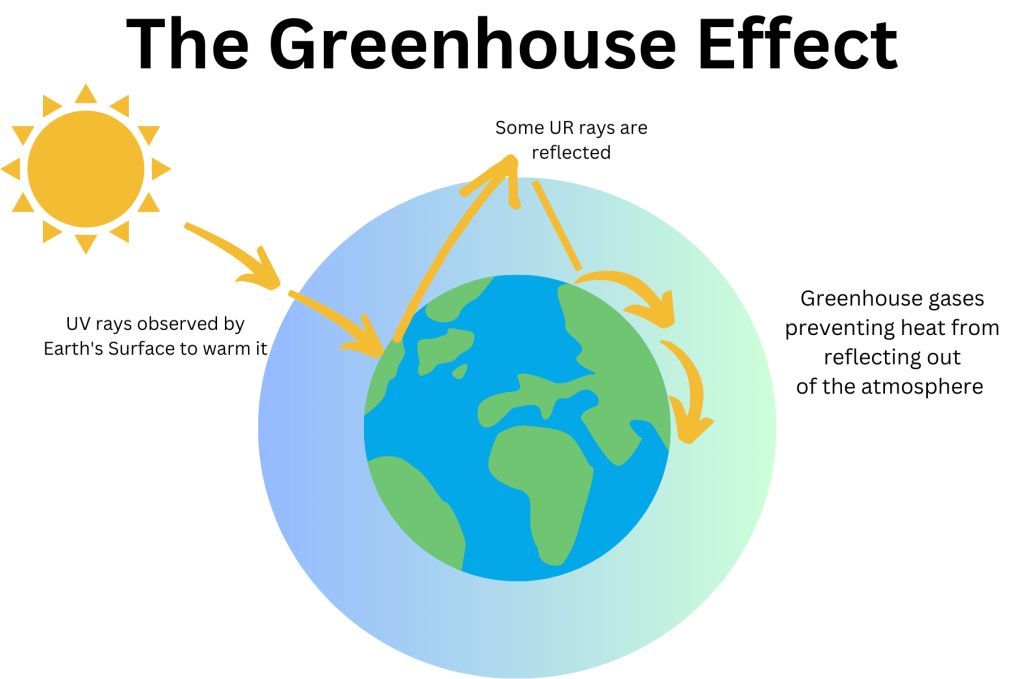
The Greenhouse effect is a natural process that helps keep our planet warm, but human activities are causing the greenhouse effect to become stronger. This has resulted in global warming. In this article we will delve into the fundamental aspects of climate change and its causes as well as the effect of climate change on the environment. Finally, we will look at some of the solutions we can adopt to tackle climate change.
Causes of Global Warming
The accumulation of greenhouse gases in the Earth’s atmosphere results in global warming. Some of the main greenhouse gases include carbon dioxide (CO2, methane (CH4) and nitrous oxide (N2O). These gases trap heat from the sun that warms the planet. The primary sources of these gases include:
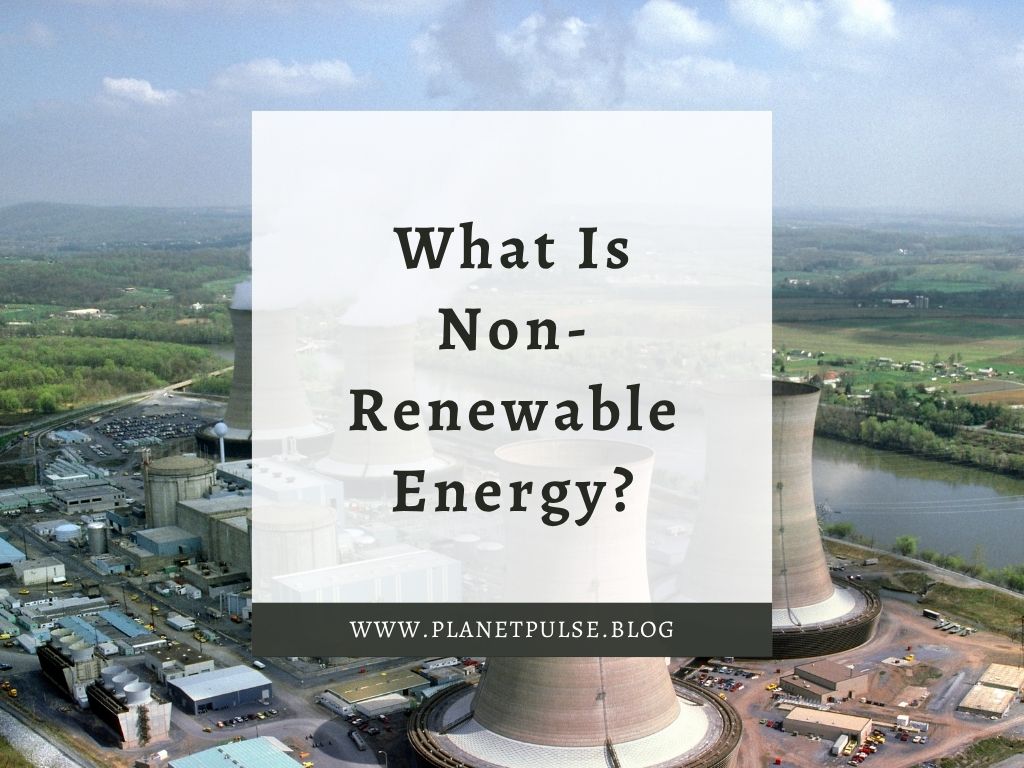
- Fossil Fuels Combustion for energy such a coal, oil, and gas, which releases CO2 into the atmosphere, that is then trapped resulting in further warming the planet. This is a major contributor to the greenhouse effects.
- Deforestation also released CO2 into the atmosphere as trees acts as a natural carbon sink and observe CO2. Thus, by cutting trees down we are releasing CO2 back into the atmosphere.
- Industrial processes also release CO2 and other greenhouse gases into the atmosphere such as methane and fluorinated gases, leading to global warming.
- Agricultural practices such as livestock production release methane and nitrous oxide into the atmosphere contributing towards climate change.
Effects of Climate Change
The causes of climate change then affect many aspects of our life as climate change can result in extreme Weather Events are becoming more frequent and severe, such as hurricanes, droughts, and heatwaves as a result of climate change, causing destruction and loss of life, displacement, and damage to property.
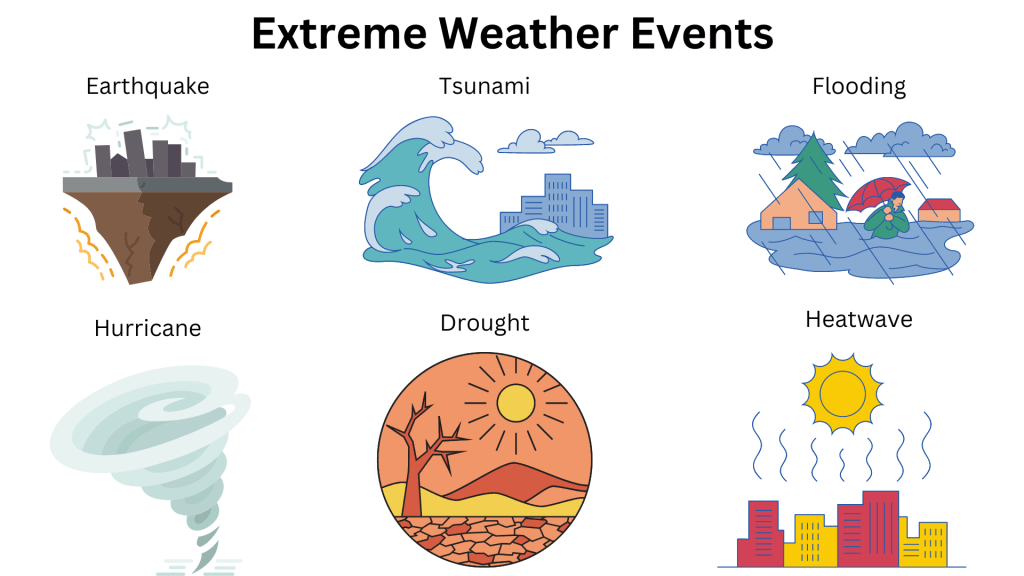
Global warming has also led to the increase in temperatures causing ice caps and glaciers to melt, leading to rising sea levels. This can also lead to loss of life, damage to property and displacement.
Oceans are also one of a major carbon sink and the increasing temperatures because of climate change has resulted in Ocean Acidification, which leads to increased acidity, which harms marine life, particularly coral reefs, and shellfish.
Another consequence of climate change is biodiversity loss because of the destruction of natural habitats, which resulted in increase to shifts in ecosystems that threatens numerous plant and animal species with extinction.
Finally, climate change can have a negative impact of human health. This is because climate change can exacerbate health issues through heat-related illnesses, the spread of diseases, and decreased air quality.
Solutions to Combat Climate Change
To address climate change, individuals, government, and industries needs to understand the consequences of climate change in order to implement solutions to mitigate climate change.
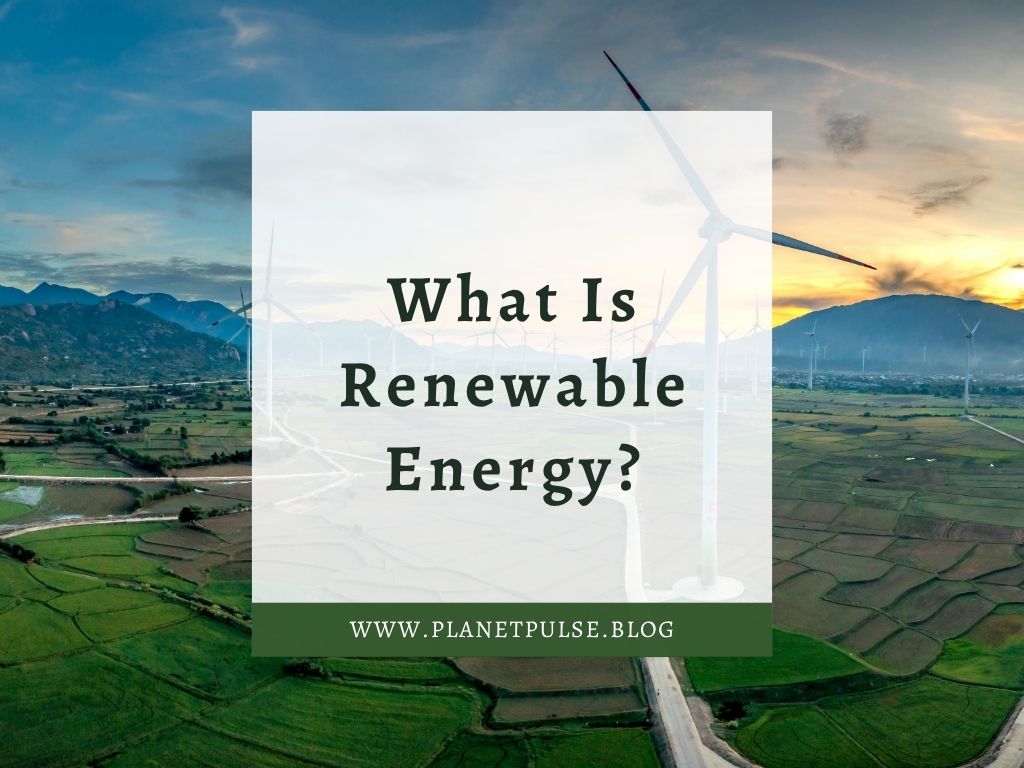
For example, shifting away from fossil fuels to renewable sources like solar, wind, and hydroelectric power is crucial in reducing greenhouse gas emissions. Although, in many countries this may not be possible as fossil fuels are cheaper than the renewable energy sources. Thus, many countries may not be willing to change.
On the other hand, Implementing energy-efficient technologies in buildings, transportation, and industries can significantly reduce emissions. This can be achieved through implementing new policies that requires new buildings to be built at a particular standard.
On a global scale, global efforts like the Paris Agreement aim to unite nations in the fight against climate change, setting emission reduction targets. This allows countries to agree on making changes to reduce emissions that can be achieved in the future. This can allow governments to implement policies such as carbon pricing, emissions regulations, and incentives for clean technologies.
Another solution to climate change is afforestation and reforestation, which can protect and restore forests that can contribute to carbon sequestration. Furthermore, adopting sustainable farming practices and reducing meat consumption can lower methane emissions. This can be achieved through individual making informed choices on their eating habits. In addition, educating the public about climate change empowers individuals to make informed choices and demand action.
Conclusion
Climate change is an urgent and complex issue that demands immediate attention and concerted efforts from all sectors of society. By understanding the root causes, acknowledging the far-reaching effects, and embracing solutions at both individual and global levels, we can work together to mitigate the impacts of climate change and create a sustainable future for generations to come. It is our collective responsibility to take action now and ensure a healthier and more resilient planet for ourselves and future generations.

 Planet Pulse
Leave a comment